
Autism in Children: Understanding the Causes and How Parents Can Support Their Child Naturally
Autism Spectrum Disorder (ASD) is a condition that affects how a child communicates, interacts with others, and experiences the world. Many parents feel overwhelmed after a diagnosis, but it is important to know that there are many ways to support your child’s development and well-being.
Functional and holistic medicine focuses on understanding the whole child—including nutrition, gut health, sleep, environment, and overall lifestyle—to help support better health and development.
This approach does not replace medical care or therapy, but it can provide additional tools to help your child thrive.
What is Autism?
Autism is a neurodevelopmental condition that affects communication, social interaction, and behavior. Every child with autism is different. Some children may have mild challenges, while others may require more support.
Common signs may include:
Speech delay or being non-verbal
Limited eye contact
Repetitive behaviors (such as hand flapping or rocking)
Sensitivity to sounds, lights, or textures
Difficulty with social interaction
Preference for routines
Early support can make a big difference in helping children develop skills and confidence.
Factors That May Influence Autism Symptoms
Autism is complex and often influenced by multiple factors. Functional medicine looks at areas that may affect a child’s health and behavior, including:
Gut Health
Many children with autism experience digestive issues such as constipation, diarrhea, or bloating. The gut and brain are closely connected, and improving gut health may support better behavior, sleep, and focus.
Nutrition
Some children with autism have limited diets or food sensitivities. Ensuring proper nutrition is essential for brain development and energy.
Sleep
Sleep problems are very common in children with autism and can affect mood, learning, and behavior.
Sensory Sensitivity
Children with autism may be more sensitive to sounds, lights, textures, or certain environments.
Environment
Exposure to environmental stressors such as chemicals, poor air quality, or chronic stress may also impact overall health.
Understanding these factors helps parents and clinicians develop a more personalized approach.
How Autism Can Be Assessed
Autism is usually diagnosed through developmental evaluation by specialists who assess communication, social interaction, and behavior.
In addition to traditional evaluations, a functional medicine approach may look at:
Digestive health
Sleep quality
Nutritional status
Environmental exposures
Lifestyle habits
These assessments help identify areas that may be affecting a child’s well-being.
How Parents Can Support Their Child Using Holistic Approaches
While every child is unique, there are several supportive steps parents can consider.
1. Focus on Nutrition
Provide a balanced diet rich in:
Vegetables and fruits
Healthy proteins
Whole foods
Reducing highly processed foods and excess sugar may also help stabilize energy and behavior.
2. Support Gut Health
Healthy digestion is important for overall well-being.
Parents can support gut health by:
Encouraging whole foods
Ensuring adequate hydration
Addressing constipation or digestive discomfort early
3. Improve Sleep Routine
Create a consistent bedtime routine:
Same sleep time every night
Reduce screens before bedtime
Keep the room quiet and comfortable
Better sleep often improves mood and attention.
4. Create a Calm Environment
Children with autism often benefit from predictable routines and reduced sensory overload.
Helpful strategies include:
Structured daily routines
Quiet spaces for relaxation
Limiting excessive noise and stimulation
5. Work with Professionals
Children with autism often benefit from therapies such as:
Speech therapy
Occupational therapy
Behavioral therapy
A collaborative approach between parents and healthcare professionals is key.
A Message to Parents
If your child has autism, remember that you are not alone. Many families are on the same journey, and with the right support, children can make meaningful progress.
Understanding your child’s unique needs is the first step toward helping them thrive.
Need Personalized Guidance?
If you would like guidance on how to support your child using functional and holistic medicine approaches, I would be happy to help.
📱 Contact us on WhatsApp for more information or to book a consultation:
🌿 Start your journey toward better health for your child.
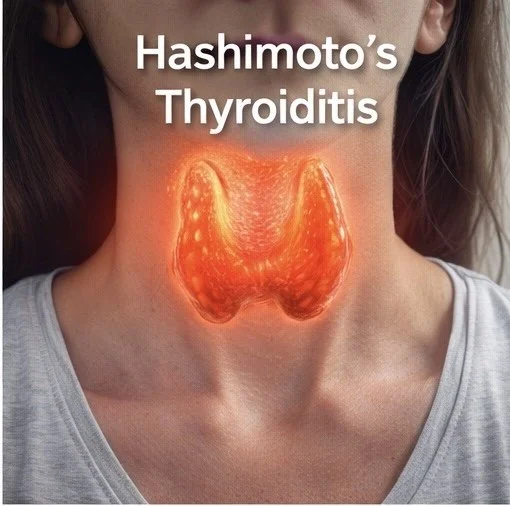
Best Supplements to Reduce Thyroid Antibodies in Hashimoto’s Thyroiditis
Best supplements to reduce thyroid antibodies in Hashimoto thyroiditis
Hashimoto’s thyroiditis is the most common autoimmune thyroid disease and a leading cause of hypothyroidism worldwide. In this condition, the immune system mistakenly attacks the thyroid gland, producing thyroid antibodies such as:
Thyroid peroxidase antibodies (TPO antibodies)
Thyroglobulin antibodies (Tg antibodies)
Elevated thyroid antibodies indicate ongoing immune activity against the thyroid. While conventional treatment typically focuses on thyroid hormone replacement such as levothyroxine, many patients search for ways to reduce thyroid antibodies naturally.
Research in functional and integrative medicine suggests that certain nutrients may help regulate the immune system and support thyroid health.
Below are some of the best supplements that may help reduce thyroid antibodies in Hashimoto’s disease.
1. Selenium
Selenium is one of the most studied nutrients for Hashimoto’s thyroiditis.
It plays a critical role in:
Thyroid hormone metabolism
Antioxidant protection of thyroid cells
Immune regulation
Several clinical studies have shown that selenium supplementation may reduce TPO antibody levels in patients with autoimmune thyroid disease.
Typical studied dose:
100–200 mcg per day
Natural food sources include:
Brazil nuts
Seafood
Eggs
Sunflower seeds
Thorne Selenium
https://www.amazon.com/dp/B0797QKDL6?tag=radicalwell0a-20
Reference:
Winther KH et al. Selenium supplementation in autoimmune thyroiditis. Thyroid. 2017.
2. Vitamin D
Vitamin D is an important regulator of the immune system.
Low vitamin D levels are commonly found in people with Hashimoto’s thyroiditis and other autoimmune diseases.
Vitamin D may help:
Reduce autoimmune inflammation
Support immune balance
Improve thyroid function
Many practitioners aim for vitamin D levels around:
40–60 ng/mL
Thorne Vitamin D/K2
https://www.amazon.com/dp/B0797QYB5Y?tag=radicalwell0a-20
Reference:
Wang J et al. Vitamin D and autoimmune thyroid disease. Nutrients. 2015.
3. Zinc
Zinc is essential for both thyroid hormone production and immune function.
Zinc deficiency may contribute to:
Hypothyroidism
Poor T4 to T3 conversion
Fatigue and hair loss
Supplementing zinc may help support thyroid hormone metabolism and immune balance.
Typical dose:
15–30 mg daily
Food sources include:
Oysters
Beef
Pumpkin seeds
Chickpeas
Thorne Zinc Picolinate
https://www.amazon.com/dp/B0797QZ2CL?tag=radicalwell0a-20
4. Myo-Inositol
Myo-inositol is a naturally occurring compound involved in thyroid signaling pathways.
Recent studies suggest that myo-inositol combined with selenium may help:
Improve thyroid hormone levels
Reduce TPO antibodies
Improve thyroid function
Fairhaven Health Myo-Inositol
https://www.amazon.com/dp/B00Q5NE1KG?tag=radicalwell0a-20
Reference:
Nordio M, Pajalich R. Combined treatment with myo-inositol and selenium in autoimmune thyroiditis. Eur Rev Med Pharmacol Sci. 2013.
5. Omega-3 Fatty Acids
Omega-3 fatty acids help reduce systemic inflammation and support immune balance.
These healthy fats may help:
Reduce inflammatory signaling
Support immune regulation
Improve overall metabolic health
Sources include:
Fatty fish (salmon, sardines)
Fish oil supplements
Algae-based omega-3 supplements
Nordic Naturals Omega-3
https://www.amazon.com/dp/B002CQU54Q?tag=radicalwell0a-20
6. Iron (Ferritin)
Iron deficiency is common in people with Hashimoto’s thyroiditis, especially women.
Low ferritin may contribute to:
Fatigue
Hair loss
Poor thyroid hormone synthesis
Ferritin levels are often recommended to be above 50–70 ng/mL for optimal thyroid function.
Iron supplementation should only be taken after confirming deficiency with lab testing.
Thorne Iron Bisglycinate
https://www.amazon.com/dp/B0797QW6V7?tag=radicalwell0a-20
7. Magnesium
Magnesium supports many biological processes including:
Energy production
Stress regulation
Thyroid hormone metabolism
Magnesium deficiency may contribute to fatigue, sleep disturbances, and stress-related hormonal imbalance.
Common forms include:
Magnesium glycinate
Magnesium citrate
Magnesium malate
Thorne Magnesium Bisglycinate
https://www.amazon.com/dp/B0797QMTVY?tag=radicalwell0a-20
Important: SupplementsAlone Are Not Enough
While supplements can be helpful, reducing thyroid antibodies usually requires addressing underlying triggers.
Common contributors to Hashimoto’s include:
Gut health problems (SIBO, dysbiosis)
Food sensitivities such as gluten
Chronic stress
Environmental toxins
Nutrient deficiencies
A comprehensive root-cause approach is often necessary.
Frequently Asked Questions
Can Hashimoto be reversed?
Hashimoto’s thyroiditis is generally considered a chronic autoimmune disease. However, many patients can reduce thyroid antibodies and improve symptoms by addressing underlying triggers such as gut health, inflammation, and nutrient deficiencies.
Why are my thyroid antibodies high?
High thyroid antibodies usually indicate immune system activation against the thyroid gland. This may be triggered by factors such as gut dysfunction, infections, food sensitivities, chronic stress, and environmental toxins.
Can gluten worsen Hashimoto?
Yes. Gluten may worsen Hashimoto’s thyroiditis in some individuals due to immune cross-reactivity with thyroid tissue. This effect is especially important in people with celiac disease or gluten sensitivity.
How to lower TPO antibodies?
Lowering TPO antibodies often requires a comprehensive approach including:
Correcting nutrient deficiencies
Improving gut health
Removing inflammatory foods
Reducing stress
Supporting immune regulation
When to Consider a Functional Medicine Approach
Many patients with Hashimoto’s thyroiditis continue to experience symptoms such as:
Fatigue
Brain fog
Digestive issues
Hair loss
Weight gain
A functional medicine evaluation may help identify the root causes contributing to autoimmune thyroid disease.
If you have Hashimoto’s thyroiditis and want to explore a personalized functional medicine approach, you can contact us for consultation.
WhatsApp consultation:
https://wa.me/966558837786
Author
Dr. Samar Shadly
Consultant Physician & Functional Medicine Practitioner
Founder of Radical Wellness
Supplements Alone
لماذا قد تكون الأكزيما، وقشرة الرأس مشكلة أكبر مما تعتقد؟
هل تم تشخيص إصابتك بالأكزيما أو الوردية أو الصدفية أو أي حالة جلدية أخرى؟ هل تعاني من فطريات أظافر القدم المستمرة أو ما يسمى بقدم الرياضيين أ أو غيرها من الالتهابات الفطرية؟ أم أنت مصاب بقشرة الرأس العنيدة ؟
هذه الأعراض المذكورة وغيرها شائعة جدا في الواقع لدرجة أن الكثير من الناس يقبلونها على أنها من المضايقات اليومية "الطبيعية”".
تم تشخيص ما يقدر بنحو 30 مليون شخص بالأكزيما في الولايات المتحدة وحدها. تمتلئ الصيدليات بشامبو مضاد للقشرة وكريمات مضادة للفطريات ومئات المستحضرات والمراهم لتهدئة احمرار، وجفاف، وحكة الجلد.
السبب الجذري
على الرغم من أن هذه الحالات قد تكون شائعة ، إلا أنها ليست طبيعية في الواقع ، فهي علامة تدل على وجود مشكلة صحية أساسية داخل جسمك ظهرت على الخارج
يمكن أن يكون تجاهل هذه الأعراض أو اعتبار انها طبيعية أمرا خطيرا. إذا تركت دون علاج ، فإن المشكلة الصحية الأساسية تزداد سوءا ولن تظل تقتصر على مشاكل البشرة فحسب .فقد تتسبب بأعراض وحالات أخرى.
لا بد من تحديد السبب الجذري لمشاكل البشرة ومن ثم علاجه حتى تتمكن من التخلص من
الأعراض بشكل طبيعي وتوديع الكريمات والشامبو والمستحضرات.
.واحدة من أكثر الأسباب شيوعا لمشاكل الجلد هو فرط نمو الكانديدا .إنها عدوى أمعاء بسيطة وقابلة للعلاج
ماهي العلاقة بين فرط نمو الكانديدا ، ارتشاح الأمعاء ، و مشاكل البشرة؟
الكانديدا لديها قدرة فريدة على تغيير شكلها من أجل حماية نفسها من البيئات المحيطة ، فهي تتحول من خلية مستديرة إلى خلية عصوية الشكل
هذه الخلايا العصوية الممدودة قادرة على اختراق غشاء الأمعاء ، مما قد يتسبب في ارتشاح الأمعاء ، وهذا بدوره يسمح للسموم والميكروبات والبروتينات المهضومة جزئيا ، الخميرة ، بالتسرب من الامعاء والوصول الى مجرى الدم.
بمجرد دخولها إلى مجرى الدم ، يمكن للكانديدا أن تستعمر مناطق أخرى من جسمك ، بما في ذلك البشرة ، وهو ما يفسر سبب عثور الباحثين على الكانديدا في عينات الجلد لمرضى الأكزيما.
سواء كنت تعاني من قشرة الرأس، أو الأكزيما ، أو فطريات أظافر القدم، يمكن ان يكون السبب في ذلك يرجع لوجود فرط نمو الكانديدا في أمعائك
من المهم ذكره أن مشاكل الجلد ليست النتيجة الوحيدة لارتشاح الأمعاء. فنحن نعلم الآن، أن ارتشاح الأمعاء هي واحدة من أهم أسباب الأمراض المناعة الذاتية.
لمزيد من التفاصيل وحجز استشارات الطب الوظيفي ، الشمولي تواصل معنا على رقم الواتساب
🌿 ابدأ رحلتك نحو صحة أفضل
🌿 بروتوكول والز (Wahls Protocol): نهج متكامل لعلاج التصلب المتعدد وأمراض المناعة الذاتية في السعودية
مع تزايد انتشار أمراض المناعة الذاتية مثل التصلب المتعدد (Multiple Sclerosis)، ومرض هاشيموتو، والذئبة، أصبح الكثير من المرضى في السعودية يبحثون عن حلول حقيقية تعالج جذور المرض بدلًا من الاكتفاء بعلاج الأعراض.
أحد أهم هذه الحلول هو:
بروتوكول والز (Wahls Protocol) — وهو نهج علاجي متقدم يجمع بين التغذية العلاجية والطب الوظيفي لدعم الشفاء على مستوى الخلايا.
ما هو بروتوكول والز (Wahls Protocol)؟
بروتوكول والز هو نظام علاجي تم تطويره بواسطة الطبيبة والباحثة Terry Wahls، ويعتمد على:
تغذية غنية بالعناصر الغذائية الدقيقة
دعم الميتوكوندريا (مصدر الطاقة في الخلايا)
تقليل الالتهاب المزمن
إعادة توازن الجهاز المناعي
الهدف ليس فقط تحسين الأعراض، بل إعادة بناء الصحة من الداخل.
كيف يساعد بروتوكول والز في التصلب المتعدد؟
في مرض التصلب المتعدد:
يهاجم الجهاز المناعي الجهاز العصبي
يحدث التهاب مزمن
تتأثر الطاقة الخلوية بشكل كبير
يعمل البروتوكول على:
✔️ تقليل الالتهاب العصبي
✔️ دعم إنتاج الطاقة داخل الخلايا
✔️ تحسين وظائف الأعصاب
✔️ تعزيز قدرة الجسم على الإصلاح
هل يقتصر بروتوكول والز على التصلب المتعدد؟
لا — وهذه نقطة محورية.
يمكن أن يساعد بروتوكول والز في العديد من الحالات مثل:
أمراض المناعة الذاتية (هاشيموتو، الذئبة، الروماتويد)
الإرهاق المزمن
اضطرابات الجهاز الهضمي (مثل SIBO والقولون العصبي)
الضباب الذهني وضعف التركيز
الالتهاب المزمن
🔬 السبب:
هذه الحالات تشترك في:
خلل مناعي
التهاب مزمن
اختلال في الأمعاء
ضعف في الميتوكوندريا
مكونات بروتوكول والز
يركز البروتوكول على:
تناول كميات كبيرة من الخضروات (خصوصًا الورقية والملونة)
بروتين عالي الجودة
دهون صحية (مثل أوميغا 3)
تقليل السكر والأطعمة المصنعة
تجنب الغلوتين في كثير من الحالات
أين يأتي دور الطب الوظيفي؟
هنا الفرق الحقيقي بين النجاح والفشل.
اتباع النظام الغذائي فقط لا يكفي في معظم الحالات.
السؤال الأهم هو:
👉 لماذا حدث المرض من الأساس؟
دور التحاليل الوظيفية المتقدمة
لذلك يتم استخدام تحاليل متخصصة مثل:
تحليل الميكروبيوم وصحة الأمعاء
تحليل السموم (Total Toxic Burden)
تحليل المايكوتوكسين (Mycotoxins)
تحليل الفيتامينات والمعادن
تحليل الهرمونات
تحليل العمر البيولوجي
هذه التحاليل تساعد في:
✔️ اكتشاف الأسباب الخفية
✔️ تخصيص بروتوكول والز لكل مريض
✔️ تسريع التحسن بشكل واضح
لماذا يفشل البعض في تطبيق بروتوكول والز؟
بصراحة وبدون تجميل:
❌ يطبق النظام الغذائي فقط
❌ يتجاهل السموم والالتهابات الخفية
❌ لا يعالج صحة الأمعاء
❌ لا يدعم الميتوكوندريا
→ النتيجة: تحسن جزئي أو مؤقت
خبرة متخصصة في السعودية
تُعد الدكتورة سمر شاذلي (Dr. Samar Shadly) من الأطباء المتخصصين في هذا المجال في السعودية، حيث تجمع بين:
الاعتماد في الطب الوظيفي
الاعتماد في Wahls Protocol (بروتوكول والز)
خبرة متقدمة في الأمراض المعقدة والمزمنة
نهج علاجي متكامل يجمع بين الطب التقليدي والوظيفي
من خلال منصة Radical Wellness، يتم تقديم برامج علاجية مخصصة تعتمد على التحاليل المتقدمة وخطة فردية لكل مريض.
هل هذا النهج مناسب لك؟
قد يكون بروتوكول والز مناسبًا إذا كنت:
تعاني من مرض مناعي ذاتي
لديك أعراض مزمنة غير مفسرة
لم تتحسن بالعلاج التقليدي
تبحث عن علاج جذري وشخصي
🌿 ابدأ رحلتك نحو التعافي
إذا كنت ترغب في تطبيق بروتوكول والز بطريقة علمية ومخصصة بناءً على تحاليل دقيقة:
📩 تواصل عبر واتساب:
Wahls Protocol in Saudi Arabia: A Functional Medicine Approach to Multiple Sclerosis and Autoimmune Disease
With the rising prevalence of autoimmune diseases such as multiple sclerosis (MS), Hashimoto’s thyroiditis, and lupus, more patients are seeking approaches that go beyond symptom management.
One of the most powerful approaches is the Wahls Protocol — a science-based nutritional and lifestyle strategy designed to support cellular and immune health.
What is the Wahls Protocol?
The Wahls Protocol is a therapeutic approach developed by Terry Wahls.
It focuses on:
Nutrient-dense therapeutic nutrition
Mitochondrial support
Reducing inflammation
Restoring immune balance
How Does It Help Multiple Sclerosis?
In MS:
The immune system attacks the nervous system
Chronic inflammation damages neurons
Mitochondrial dysfunction contributes to fatigue and degeneration
The Wahls Protocol helps by:
✔️ Reducing neuroinflammation
✔️ Supporting mitochondrial energy production
✔️ Enhancing nerve repair
✔️ Improving overall resilience
Is It Only for MS?
No — and this is where many miss the bigger picture.
The Wahls Protocol can also support:
Autoimmune diseases (Hashimoto’s, lupus, rheumatoid arthritis)
Chronic fatigue
Gut dysfunction
Brain fog
Chronic inflammation
Why?
Because these conditions share:
Immune dysregulation
Chronic inflammation
Gut imbalance
Mitochondrial dysfunction
Key Components of the Wahls Protocol
The protocol emphasizes:
High intake of vegetables (especially leafy greens and colorful plants)
High-quality protein sources
Healthy fats (omega-3 rich foods)
Elimination of processed foods, sugar, and gluten
Where Functional Medicine Makes the Difference
Here is the critical truth:
Diet alone is often not enough.
To get real results, we must answer:
👉 Why did the disease develop in the first place?
This is where functional testing becomes essential:
Gut microbiome testing
Total toxic burden assessment
Mycotoxin testing
Nutrient deficiency panels
Hormonal evaluation
Biological age testing
These allow:
✔️ Personalized protocol design
✔️ Identification of hidden triggers
✔️ Faster and more sustainable results
Why Many Patients Fail on the Wahls Protocol
Let’s be direct:
❌ They follow diet only
❌ Ignore toxins and hidden inflammation
❌ Do not address gut dysfunction
❌ Lack mitochondrial support
→ Result: limited or temporary improvement
Expert Guidance in Saudi Arabia
Dr. Samar Shadly is among the few practitioners in Saudi Arabia who combines:
Certification in functional medicine
Certification in the Wahls Protocol
Advanced clinical background in complex disease
Through her platform Radical Wellness, she provides:
Personalized programs
Advanced lab testing integration
Root-cause treatment strategies
Is This Approach Right for You?
You may benefit if you:
Have an autoimmune condition
Experience chronic unexplained symptoms
Have not improved with conventional care
Want a root-cause, personalized approach
🌿 Start Your Healing Journey
If you are ready to apply the Wahls Protocol correctly and effectively:
📩 Contact via WhatsApp:
https://wa.me/966558837786
Holistic and Functional Medicine in Saudi Arabia: A Root-Cause Approach to Healing
In recent years, holistic and functional medicine in Saudi Arabia has gained significant attention. More patients are seeking solutions that address the root cause of disease, rather than just managing symptoms.
What is Holistic Medicine?
Holistic medicine focuses on treating the whole person, not just the disease.
It includes:
Physical health
Mental and emotional well-being
Nutrition
Lifestyle
Environmental exposures
The goal is to restore balance and support the body’s natural healing ability
What is Functional Medicine?
Functional medicine is an advanced, evidence-based approach that:
Identifies root causes of illness
Uses advanced laboratory testing
Creates personalized treatment plans
It is highly effective for:
Thyroid disorders (e.g., Hashimoto’s)
Gut disorders (SIBO, IBS)
Chronic fatigue
Autoimmune diseases
Brain fog and cognitive issues
Why is Functional Medicine Growing in Saudi Arabia?
Key drivers include:
Rising chronic diseases
Patients not improving with conventional care alone
Increased awareness of nutrition and lifestyle medicine
Demand for personalized healthcare
The Role of Advanced Testing
Functional medicine relies on targeted testing such as:
Total Toxic Burden testing
Mycotoxin testing
Gut microbiome analysis
Nutritional panels
Biological age testing
These help:
✔️ Identify hidden root causes
✔️ Build precise treatment plans
Leading Functional Medicine Expertise in Saudi Arabia
Dr. Samar Shadly is recognized as one of the pioneers in functional and holistic medicine in Saudi Arabia.
Her background includes:
Consultant pulmonologist and lung transplant specialist
Advanced clinical training in Canada
Certified functional medicine practitioner
Expertise in:
Autoimmune conditions
Gut health
Chronic fatigue
Preventive and longevity medicine
Through her platform Radical Wellness, she integrates conventional and functional medicine into a personalized care model
How Functional Medicine Can Transform Your Health
Instead of:
❌ Treating symptoms alone
It focuses on:
✔️ Root cause identification
✔️ Lifestyle optimization
✔️ Supporting natural healing
Example:
A patient with chronic fatigue may have:
Nutrient deficiencies
Gut dysfunction
Toxin exposure
→ All are addressed together, not just one symptom.
Is Functional Medicine Right for You?
You may benefit if you:
Have unexplained chronic symptoms
Have not improved with standard treatments
Want a natural, personalized approach
Are focused on prevention and longevity
🌿 Start Your Healing Journey
If you are ready to understand your health at a deeper level:
📩 Contact via WhatsApp:
https://wa.me/966558837786
الطب الشمولي والوظيفي في السعودية: نهج متكامل لعلاج جذور المرض
في السنوات الأخيرة، بدأ الاهتمام يتزايد في الطب الشمولي والطب الوظيفي في السعودية، حيث يبحث الكثير من المرضى عن حلول تعالج جذور المشكلة بدلًا من مجرد تخفيف الأعراض
ما هو الطب الشمولي (Holistic Medicine)؟
الطب الشمولي هو نهج طبي يركز على الإنسان ككل، وليس فقط على المرض.
يشمل ذلك:
الصحة الجسدية
الصحة النفسية
التغذية
نمط الحياة
البيئة المحيطة
الهدف هو إعادة التوازن للجسم وتعزيز قدرته على الشفاء الذاتي.
ما هو الطب الوظيفي (Functional Medicine)؟
الطب الوظيفي هو تطور متقدم للطب الشمولي، يعتمد على:
تحليل الأسباب الجذرية للأمراض
استخدام التحاليل المتقدمة (مثل تحليل السموم، الميكروبيوم، الفيتامينات)
تصميم خطة علاج شخصية لكل مريض
يُستخدم بشكل فعال في حالات مثل:
اضطرابات الغدة الدرقية (مثل هاشيموتو)
مشاكل الجهاز الهضمي (SIBO، القولون العصبي)
الإرهاق المزمن
مشاكل المناعة الذاتية
الضباب الذهني وضعف التركيز
لماذا يزداد الطلب على الطب الوظيفي في السعودية؟
هناك عدة أسباب رئيسية:
زيادة الأمراض المزمنة المرتبطة بنمط الحياة
عدم تحسن بعض المرضى رغم العلاجات التقليدية
وعي أكبر بأهمية التغذية ونمط الحياة
البحث عن حلول طبيعية وآمنة
دور الفحوصات المتقدمة في الطب الوظيفي
من أهم ما يميز هذا المجال استخدام تحاليل متخصصة، مثل:
تحليل السموم (Total Toxic Burden)
تحليل المايكوتوكسين (Mycotoxins)
تحليل الميكروبيوم وصحة الجهاز الهضمي
تحليل الفيتامينات والمعادن
تحليل العمر البيولوجي (Biological Age Testing)
هذه التحاليل تساعد في:
✔️ تحديد السبب الحقيقي للأعراض
✔️ وضع خطة علاج دقيقة ومخصصة
من أبرز الأطباء في الطب الوظيفي في السعودية
تُعد الدكتورة سمر شاذلي (Dr. Samar Shadly) من الأسماء الرائدة في هذا المجال في المملكة العربية السعودية، حيث تجمع بين:
خبرة متقدمة في طب الرئة وزراعة الرئة
تدريب دولي في كندا
تخصص معتمد في الطب الوظيفي
خبرة في علاج:
أمراض المناعة الذاتية
مشاكل الجهاز الهضمي
الإرهاق المزمن
الصحة الوقائية وطول العمر
من خلال منصة Radical Wellness، تقدم نهجًا متكاملاً يجمع بين الطب الحديث والطب الوظيفي.
كيف يمكن للطب الوظيفي أن يغير حياتك؟
بدلًا من:
❌ علاج الأعراض فقط
يعمل على:
✔️ اكتشاف السبب
✔️ تحسين نمط الحياة
✔️ دعم الجسم للشفاء الذاتي
مثال:
مريض يعاني من التعب المزمن →
قد يكون السبب: نقص فيتامينات + خلل في الأمعاء + تعرض للسموم
→ يتم علاج جميع العوامل وليس عرض واحد فقط
هل الطب الوظيفي مناسب لك؟
قد يكون مناسبًا إذا كنت:
تعاني من أعراض مزمنة غير مفسرة
جربت علاجات ولم تتحسن
تبحث عن نهج طبيعي وشامل
مهتم بالوقاية وإبطاء الشيخوخة
🌿 ابدأ رحلتك نحو صحة أفضل
إذا كنت ترغب في فهم جسمك بشكل أعمق ووضع خطة علاج مخصصة:
📩 تواصل عبر واتساب:
https://wa.me/966558837786
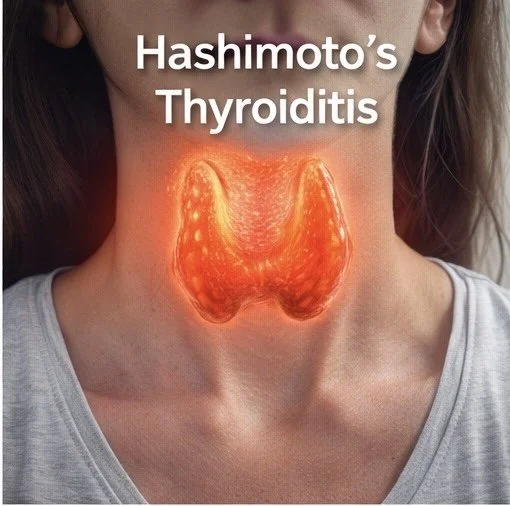
Why Hashimoto Patients Still Feel Tired on Levothyroxine
Why Hashimoto patients still feel tired on levothyroxine autoimmune thyroid disease
(Understanding Persistent Fatigue in Hashimoto’s Thyroiditis)
Many people diagnosed with Hashimoto’s thyroiditis start treatment with levothyroxine, the most commonly prescribed thyroid hormone medication. While this medication helps normalize thyroid hormone levels in the blood, a large number of patients continue to experience fatigue, brain fog, weight gain, and low energy even when their lab results appear “normal.”
If you have Hashimoto’s and still feel exhausted despite treatment, you are not alone. Research shows that a significant percentage of patients with autoimmune thyroid disease continue to have symptoms despite achieving normal TSH levels.
Understanding why this happens requires looking beyond thyroid hormone replacement and addressing the underlying causes of autoimmune thyroid disease.
Why Hashimoto Patients Still Feel Tired on Levothyroxine
Levothyroxine (T4) replaces thyroid hormone, but it does not treat the autoimmune process itself.
Hashimoto’s thyroiditis is an autoimmune disease, meaning the immune system attacks the thyroid gland. While levothyroxine restores hormone levels, it does not necessarily address the factors driving immune activation.
Several reasons explain why symptoms may persist.
1. Autoimmune Inflammation Is Still Active
Even when thyroid hormone levels normalize, the immune system may continue producing thyroid antibodies, including:
Thyroid peroxidase antibodies (TPO antibodies)
Thyroglobulin antibodies (Tg antibodies)
These antibodies indicate ongoing immune activity against the thyroid. Persistent autoimmune inflammation may contribute to fatigue and other systemic symptoms.
2. Poor Conversion of T4 to T3
Levothyroxine contains T4 (thyroxine), an inactive hormone that must be converted into T3 (triiodothyronine), the active hormone used by cells.
Some patients have difficulty converting T4 into T3 due to:
Chronic inflammation
Nutrient deficiencies
Stress and cortisol imbalance
Gut dysfunction
In these cases, patients may have normal TSH but low cellular thyroid activity, leading to fatigue and brain fog.
3. Nutrient Deficiencies
Certain nutrients are essential for thyroid function and immune regulation.
Common deficiencies in Hashimoto’s patients include:
Selenium
Iron (ferritin)
Vitamin D
Vitamin B12
Zinc
Low ferritin alone can cause severe fatigue, even when thyroid hormone levels appear normal.
4. Gut Health Problems
A growing body of research suggests a strong connection between gut health and autoimmune thyroid disease.
Conditions that may contribute to Hashimoto’s symptoms include:
Small intestinal bacterial overgrowth (SIBO)
Dysbiosis
Leaky gut
Food sensitivities
The gut contains approximately 70% of the immune system, meaning disturbances in gut health may worsen autoimmune diseases.
Reference:
Lerner A, Matthias T. Gut–thyroid axis and autoimmune thyroid disease. Int J Celiac Dis. 2016.
Can Hashimoto Be Reversed?
One of the most common questions patients ask is:
Can Hashimoto be reversed?
In conventional medicine, Hashimoto’s thyroiditis is generally considered a chronic autoimmune condition.
However, research and clinical experience suggest that autoimmune activity can sometimes decrease significantly when underlying triggers are addressed.
Many patients are able to:
Reduce thyroid antibodies
Improve symptoms
Stabilize thyroid function
Early intervention may help slow disease progression and preserve thyroid tissue.
Why Are My Thyroid Antibodies High?
Patients often wonder:
Why are my thyroid antibodies high?
Elevated antibodies indicate that the immune system is attacking thyroid tissue.
Several factors may contribute to increased thyroid antibodies:
Chronic inflammation
Gut dysfunction
Food sensitivities
Environmental toxins
Chronic stress
Viral or bacterial infections
Nutrient deficiencies
Identifying and addressing these triggers may help reduce autoimmune activity.
Can Gluten Worsen Hashimoto?
Another frequently asked question is:
Can gluten worsen Hashimoto?
In some individuals, yes.
Gluten may trigger autoimmune reactions due to a process called molecular mimicry, where the immune system mistakenly attacks thyroid tissue after reacting to gluten proteins.
This effect is particularly significant in people with:
Celiac disease
Gluten sensitivity
Autoimmune predisposition
Several studies suggest that a gluten-free diet may reduce thyroid antibodies in some patients with autoimmune thyroid disease.
Reference:
Krysiak R, et al. The effect of a gluten-free diet on thyroid autoimmunity. Exp Clin Endocrinol Diabetes. 2019.
How to Lower TPO Antibodies
Many patients ask:
How to lower TPO antibodies?
While no single therapy works for everyone, several strategies may help reduce thyroid antibodies.
1. Optimize Selenium Intake
Selenium plays a key role in thyroid hormone metabolism and immune regulation.
Research suggests that selenium supplementation may reduce TPO antibody levels.
Typical studied dose:
100–200 mcg daily
Reference:
Winther KH et al. Selenium supplementation in autoimmune thyroiditis. Thyroid. 2017.
2. Correct Vitamin D Deficiency
Low vitamin D levels are strongly associated with autoimmune diseases, including Hashimoto’s thyroiditis.
Optimizing vitamin D may support immune regulation and help reduce antibody levels.
3. Improve Gut Health
Treating gut imbalances may significantly reduce immune activation.
Functional medicine approaches may include:
Comprehensive stool testing
SIBO testing
Food sensitivity evaluation
Addressing gut dysfunction may improve both autoimmune activity and energy levels.
4. Reduce Inflammatory Foods
Some patients benefit from removing foods that trigger immune responses, such as:
Gluten
Dairy
Highly processed foods
Dietary approaches often used include:
Anti-inflammatory diet
Autoimmune protocol (AIP)
Whole-food Mediterranean-style diet
5. Manage Stress
Chronic stress can worsen autoimmune disease through dysregulation of the hypothalamic–pituitary–adrenal (HPA) axis.
Stress management strategies include:
Meditation
Gentle exercise
Adequate sleep
Time in nature
Key Takeaways
Many Hashimoto patients continue to experience fatigue despite taking levothyroxine because the medication replaces thyroid hormone but does not address the autoimmune process itself.
Persistent symptoms may result from:
Ongoing autoimmune inflammation
Poor T4-to-T3 conversion
Nutrient deficiencies
Gut dysfunction
Food sensitivities
A comprehensive approach that addresses these underlying factors may help reduce thyroid antibodies and improve energy levels.
When to Consider a Functional Medicine Evaluation
If you have Hashimoto’s thyroiditis and still experience symptoms such as:
Persistent fatigue
Brain fog
Digestive problems
Hair loss
Difficulty losing weight
A root-cause evaluation may help identify underlying triggers contributing to autoimmune activity.
Functional medicine approaches often include advanced testing for:
Thyroid antibodies
Gut health
Nutrient deficiencies
Environmental toxins
Learn More
If you would like a personalized functional medicine consultation for Hashimoto’s thyroiditis, you can contact us directly:
WhatsApp Consultation:
https://wa.me/966558837786
Frequently Asked Questions
Can Hashimoto be reversed?
Hashimoto’s thyroiditis is generally considered a chronic autoimmune disease, but many patients can reduce thyroid antibodies and improve symptoms by addressing triggers such as gut health, nutrient deficiencies, and inflammation.
Why are my thyroid antibodies high?
High thyroid antibodies often result from immune system activation triggered by factors such as gut dysfunction, food sensitivities, chronic stress, infections, and environmental toxins.
Can gluten worsen Hashimoto?
Yes. Gluten can worsen Hashimoto’s thyroiditis in some individuals, especially those with celiac disease or gluten sensitivity, due to immune cross-reactivity with thyroid tissue.
How to lower TPO antibodies?
TPO antibodies may decrease by correcting nutrient deficiencies (selenium and vitamin D), improving gut health, reducing inflammation, and eliminating dietary triggers such as gluten.
Dr. Samar Shadly
Consultant Pulmonologist & Functional Medicine Practitioner
Founder of Radical Wellness
For more details and to book functional and holistic medicine consultations, contact us on WhatsApp.
🌿 Start your journey toward better health
📱 https://wa.me/966558837786
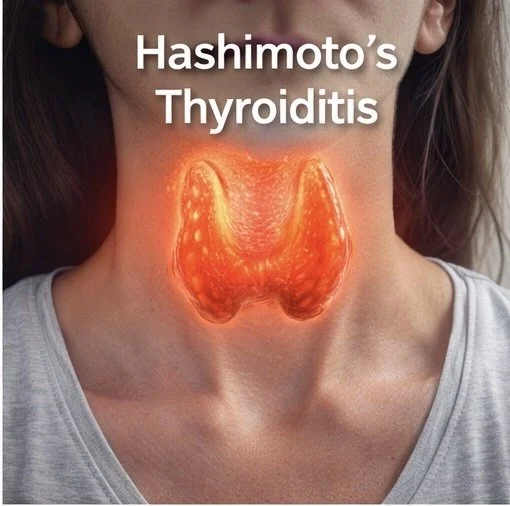
How to Reduce Thyroid Antibodies Naturally (A Functional Medicine Approach)
How to reduce Thyroid anti-bodies
Hashimoto’s thyroiditis is one of the most common autoimmune diseases worldwide and the leading cause of hypothyroidism in many countries. It occurs when the immune system mistakenly attacks the thyroid gland, leading to inflammation and the production of thyroid antibodies, most commonly thyroid peroxidase antibodies (TPO antibodies) and thyroglobulin antibodies (TgAb).
Many patients are told that Hashimoto’s is permanent and that the only treatment is thyroid hormone replacement. However, growing research and clinical experience in functional and integrative medicine suggest that addressing the root causes of immune dysregulation may help reduce thyroid antibodies and improve thyroid function.
This article explores how to reduce thyroid antibodies naturally by addressing lifestyle, nutrition, gut health, and environmental factors.
What Are Thyroid Antibodies?
In Hashimoto’s thyroiditis, the immune system produces antibodies that attack thyroid tissue.
The most common antibodies include:
TPO antibodies (thyroid peroxidase antibodies)
Thyroglobulin antibodies (TgAb)
Elevated antibodies indicate immune activation against the thyroid, which can gradually damage thyroid cells and impair hormone production.
High antibodies are often detected years before thyroid hormone levels become abnormal.
Reference:
Caturegli P, De Remigis A, Rose NR. Hashimoto thyroiditis: clinical and diagnostic criteria. Autoimmun Rev. 2014.
Why Are My Thyroid Antibodies High?
Many patients ask: “Why are my thyroid antibodies high?”
In functional medicine, autoimmune thyroid disease is usually driven by multiple interacting factors, including:
1. Gut Dysfunction
The gut and immune system are closely connected. Research shows that intestinal permeability (“leaky gut”) can trigger autoimmune reactions.
Common gut triggers include:
Small intestinal bacterial overgrowth (SIBO)
Dysbiosis
Chronic infections
Food sensitivities
Studies show that treating gut issues can sometimes reduce thyroid antibody levels.
Reference:
Lerner A, Matthias T. Gut–thyroid axis. Int J Celiac Dis. 2016.
2. Gluten Sensitivity
One of the most studied triggers of Hashimoto’s is gluten sensitivity or celiac disease.
The protein structure of gluten can mimic thyroid tissue, potentially triggering immune cross-reactivity.
This is known as molecular mimicry.
Can Gluten Worsen Hashimoto?
Yes, gluten can worsen Hashimoto’s disease in some individuals, particularly those with:
Celiac disease
Non-celiac gluten sensitivity
Autoimmune predisposition
Several studies suggest that a gluten-free diet may reduce thyroid antibodies in patients with autoimmune thyroid disease, even in some individuals without diagnosed celiac disease.
Reference:
Krysiak R et al. The effect of a gluten-free diet on thyroid autoimmunity. Exp Clin Endocrinol Diabetes. 2019.
However, gluten is not the only trigger, and removing gluten alone may not fully resolve Hashimoto’s in many cases.
Can Hashimoto Be Reversed?
A common question patients ask is:
Can Hashimoto be reversed?
The honest answer is nuanced.
Most conventional endocrinology guidelines state that Hashimoto’s cannot be completely cured, especially once significant thyroid damage has occurred.
However:
Many patients can reduce thyroid antibodies
Some patients experience improved thyroid function
Early intervention may prevent progression
Clinical experience in functional medicine shows that when underlying triggers are addressed — such as gut health, inflammation, nutrient deficiencies, and environmental toxins — autoimmune activity can sometimes decrease significantly.
This does not mean the disease disappears, but it may become much less active.
How to Lower TPO Antibodies Naturally
Patients frequently ask: How to lower TPO antibodies naturally?
Evidence suggests several strategies may help reduce autoimmune activity.
1. Optimize Selenium Intake
Selenium plays a critical role in thyroid hormone metabolism and immune regulation.
Several randomized trials show that selenium supplementation may reduce TPO antibodies.
Typical doses studied:
100–200 mcg/day
Food sources include:
Brazil nuts
Sardines
Eggs
Sunflower seeds
Thorne Selenium
https://www.amazon.com/dp/B0797QKDL6?tag=radicalwell0a-20
Reference:
Winther KH et al. Selenium supplementation for Hashimoto thyroiditis. Thyroid. 2017.
2. Correct Vitamin D Deficiency
Vitamin D is an important immune regulator.
Low vitamin D levels are commonly found in patients with autoimmune diseases, including Hashimoto’s thyroiditis.
Optimal levels are often considered around:
60-80 ng/mL (150-200 nmol/L)
Vitamin D may help modulate immune activity and reduce antibody levels.
Thorne Vitamin D/K2
https://www.amazon.com/dp/B0797QYB5Y?tag=radicalwell0a-20
Reference:
Wang J et al. Vitamin D and autoimmune thyroid disease. Nutrients. 2015.
3. Heal the Gut
Improving gut health is one of the most important steps in autoimmune disease management.
Strategies may include:
Removing inflammatory foods
Supporting beneficial gut bacteria
Treating infections such as SIBO
Improving digestive function
Many patients with Hashimoto’s also have digestive symptoms such as bloating, reflux, or constipation.
Advanced testing may include:
Comprehensive stool analysis
SIBO breath testing
Intestinal permeability markers
4. Reduce Chronic Stress
Chronic stress can dysregulate the immune system and worsen autoimmune disease.
Stress affects the hypothalamic–pituitary–adrenal (HPA) axis, which interacts closely with thyroid function.
Helpful practices include:
Mindfulness or meditation
Adequate sleep
Gentle exercise
Time in nature
5. Remove Environmental Triggers
Environmental exposures may also contribute to autoimmune activation.
These may include:
Heavy metals
Endocrine-disrupting chemicals
Mold toxins
Microplastics
Functional medicine sometimes evaluates toxic burden when autoimmune disease is persistent or resistant to treatment.
Testing That May Help Identify Root Causes
In addition to standard thyroid tests (TSH, Free T4, Free T3), functional medicine often evaluates additional factors such as:
Thyroid antibodies (TPO and TgAb)
Vitamin D
Selenium status
Iron and ferritin
Gut health testing: comprehensive stool tests
Mold or toxin exposure: Urine mycotoxin test
Identifying and addressing these factors can help create a personalized treatment plan.
Key Takeaways
If you have Hashimoto’s thyroiditis, reducing thyroid antibodies naturally often requires addressing multiple root causes, not just taking thyroid medication.
Key strategies include:
Supporting gut health
Removing gluten and dairy and other foods if sensitive
Correcting nutrient deficiencies such as iron, vitamin D, Selenium etc.
Reducing stress
Addressing environmental toxins
Hashimoto’s can be fully reversed, and many patients were able to significantly reduce inflammation normalized their hormone level
When to Seek Personalized Support
Every patient with Hashimoto’s is different. Some people improve with dietary changes alone, while others require deeper investigation into gut health, toxins, infections, or nutrient deficiencies.
If you are struggling with:
High thyroid antibodies
Fatigue
Brain fog
Weight changes
Hair loss
Digestive symptoms
A personalized functional medicine evaluation may help identify underlying triggers.
Learn More
If you would like to explore whether a functional medicine approach may help identify the root causes of your thyroid autoimmunity, I offer a free 15-minute discovery consultation.
During this call we will briefly do the following:
• discuss your main symptoms
• review your thyroid history and laboratory results
• determine whether a comprehensive consultation may be helpful for your case
Book your free 15-minute consultation:🌿 Start Your Healing Journey
WhatsApp:
Website:
https://www.drsamarshadly.com
Dr. Samar Shadly
Functional And Holistic consultation: Medicine Consultant
Radical Wellness – Functional & Holistic Medicine
Frequently Asked Questions
Can Hashimoto be reversed?
Hashimoto’s cannot always be completely cured , but many patients can reduce thyroid antibodies to normal levels and improve thyroid function by addressing root causes such as gut health, nutrient deficiencies, and inflammation.
Why are my thyroid antibodies high?
High thyroid antibodies are usually caused by autoimmune activity triggered by gut dysfunction, food sensitivities, infections, chronic stress, nutrient deficiencies, or environmental toxins.
Can gluten worsen Hashimoto?
Yes. Gluten can worsen Hashimoto’s in some individuals due to molecular mimicry and immune cross-reactivity, especially in people with celiac disease or gluten sensitivity.
How to lower TPO antibodies?
TPO antibodies may decrease by correcting nutrient deficiencies such as selenium and vitamin D, improving gut health, reducing inflammation, and eliminating potential dietary triggers.
Dr. Samar Shadly
Consultant Internist & Functional Medicine Practitioner
Founder of Radical Wellness
For more details and to book functional and holistic medicine consultations, contact us on WhatsApp.
🌿 Start your journey toward better health
📱 https://wa.me/966558837786
🌐Https://www.drsamarshadly.com
Plastic and Microplastics: Is Drinking from Plastic Bottles Safe?
Plastic has become an unavoidable part of modern life.
We encounter it daily in water bottles, food containers, packaging, kitchen utensils, and even personal care products.
However, growing scientific research has raised an important question:
Does long-term exposure to plastic and microplastics affect our health?
Some studies suggest that chemicals found in plastics may leach into food or water, particularly when plastic is exposed to heat, sunlight, or long storage periods.
What Are Microplastics?
Microplastics are tiny plastic particles smaller than 5 millimeters.
They originate from:
Degradation of plastic bottles
Plastic packaging
Synthetic clothing fibers
Cosmetic products
Environmental pollution
Microplastics have now been detected in:
Drinking water
Air
Seafood
Human blood
Placental tissue in some recent studies
This has raised global concern regarding chronic exposure to environmental plastic particles.
Chemicals Found in Plastics
Plastic materials often contain multiple chemical additives.
Some of the most concerning include:
Phthalates
Phthalates are used to make plastics flexible.
Research suggests potential associations with:
Hormonal disruption
Reduced fertility
Developmental effects in children
Bisphenol A (BPA)
BPA is commonly used in certain plastic products and food containers.
It is considered an endocrine-disrupting chemical, meaning it may mimic hormones in the body.
Potential associations include:
Thyroid disruption
Insulin resistance
Cardiovascular risk
PFAS (“Forever Chemicals”)
PFAS are persistent environmental chemicals that accumulate in the body and environment.
Studies link PFAS exposure to:
Immune dysfunction
Hormonal disruption
Liver effects
Certain cancers
How Plastic Exposure May Affect the Body
In functional and integrative medicine, chronic exposure to environmental chemicals contributes to what is called:
Total Toxic Burden
This concept describes the cumulative load of environmental toxins the body must process and eliminate.
High toxic burden may contribute to:
Chronic inflammation
Hormonal imbalance
Digestive disorders
Fatigue
Impaired detoxification pathways
Increased risk of chronic disease
Can We Test for Plastic-Related Chemicals?
Some advanced functional medicine laboratory tests can help evaluate exposure to environmental chemicals.
Examples include:
Urinary phthalate testing
Bisphenol A (BPA) testing
Environmental toxin panels
Heavy metal testing
Comprehensive toxic burden assessments
These tests can provide insights into an individual’s exposure to environmental toxins and guide personalized detoxification strategies.
Practical Ways to Reduce Plastic Exposure
While eliminating plastic completely is unrealistic, simple strategies can significantly reduce exposure.
Avoid heating food in plastic
Heat increases chemical leaching.
Use glass or stainless steel water bottles
Avoid reusing single-use plastic bottles
Reduce consumption of highly packaged foods
Store food in glass or ceramic containers
Avoid leaving plastic bottles in hot environments
(such as cars or direct sunlight)
Safer Alternatives to Plastic
Consider replacing plastic with:
Glass containers
Stainless steel bottles
Ceramic food storage
Natural wood utensils
These alternatives reduce potential exposure to plastic-derived chemicals.
Final Thoughts
Plastic is deeply embedded in modern life, but increasing evidence suggests that chronic exposure to certain plastic-related chemicals may contribute to long-term health risks.
Awareness and small lifestyle changes can significantly reduce exposure and support long-term health.
Want to Assess Your Toxic Burden?
At Radical Wellness – Functional Medicine, we use a root-cause approach to health.
Our assessments may include:
Lifestyle and environmental exposure review
Advanced functional laboratory testing
Personalized detoxification and health optimization strategies
🌿 Start Your Healing Journey
If you are ready to apply the Wahls Protocol correctly and effectively:
📩 Contact via WhatsApp:
https://wa.me/966558837786
البلاستيك والميكروبلاستيك: هل الشرب من زجاجات البلاستيك آمن
في حياتنا اليومية أصبح البلاستيك جزءًا لا يتجزأ من كل شيء تقريبًا: زجاجات الماء، علب الطعام، أدوات المطبخ، تغليف الأطعمة، وحتى بعض مستحضرات التجميل.
لكن في السنوات الأخيرة بدأ العلماء يطرحون سؤالًا مهمًا:
هل التعرض المستمر للبلاستيك والميكروبلاستيك قد يؤثر على صحتنا؟
تشير العديد من الدراسات العلمية إلى أن بعض المواد الكيميائية الموجودة في البلاستيك قد تتسرب إلى الطعام أو الماء، خاصة عند تعرض البلاستيك للحرارة أو التخزين لفترات طويلة.
ما هو الميكروبلاستيك؟
الميكروبلاستيك (Microplastics) هي جزيئات بلاستيكية صغيرة جدًا يقل حجمها عن 5 مليمترات.
يمكن أن تأتي من:
تحلل الزجاجات البلاستيكية
تحلل الأكياس البلاستيكية
الألياف الصناعية في الملابس
منتجات التجميل
تلوث البيئة والمياه
وقد تم العثور على الميكروبلاستيك في:
مياه الشرب
الهواء
الأسماك والمأكولات البحرية
وحتى في بعض عينات الدم البشري والمشيمة في دراسات حديثة.
ما هي المواد الكيميائية في البلاستيك؟
البلاستيك ليس مادة واحدة، بل يحتوي على عدة مركبات كيميائية قد يكون لها تأثيرات بيولوجية على الجسم.
من أهمها:
1. الفثالات (Phthalates)
تستخدم لجعل البلاستيك أكثر مرونة.
قد ترتبط بـ:
اضطرابات الهرمونات
مشاكل الخصوبة
تأثيرات على نمو الأطفال
2. بيسفينول A (BPA)
موجود في بعض أنواع البلاستيك وعلب الطعام.
قد يعمل كمادة مقلدة للهرمونات (Endocrine disruptor) وقد يرتبط بـ:
اضطرابات الغدة الدرقية
مقاومة الإنسولين
مشاكل القلب
3. مركبات PFAS
تسمى أحيانًا “المواد الكيميائية الدائمة” لأنها تبقى في البيئة لفترات طويلة.
قد ترتبط بـ:
اضطرابات المناعة
بعض أنواع السرطان
اضطرابات الكبد والهرمونات
كيف يؤثر البلاستيك والميكروبلاستيك على الجسم؟
التعرض المزمن لهذه المواد قد يساهم في ما يسمى في الطب الوظيفي:
العبء السمي الكلي (Total Toxic Burden)
وهو تراكم السموم البيئية في الجسم.
قد يرتبط ذلك بزيادة خطر:
الالتهابات المزمنة
اضطرابات الهرمونات
مشاكل الجهاز الهضمي
ضعف إزالة السموم في الكبد
التعب المزمن
اضطرابات المناعة الذاتية
هل يمكن فحص هذه المواد في الجسم؟
في الطب الوظيفي والطب الوقائي توجد بعض الفحوصات المتقدمة التي يمكن أن تساعد في تقييم التعرض للسموم البيئية، مثل:
تحليل الفثالات في البول
تحليل Bisphenol A (BPA)
تحليل المعادن الثقيلة
تحليل Total Toxic Burden
بعض اختبارات السموم البيئية المتقدمة
هذه الفحوصات تساعد على فهم الصورة الكاملة للتعرض للمواد الكيميائية البيئية.
كيف نقلل التعرض للبلاستيك؟
رغم صعوبة تجنب البلاستيك بالكامل، إلا أن هناك خطوات عملية لتقليل التعرض:
1. تجنب تسخين الطعام في البلاستيك
الحرارة تزيد من تسرب المواد الكيميائية.
2. استخدام زجاجات زجاجية أو ستانلس ستيل
بدلاً من زجاجات البلاستيك.
3. عدم إعادة استخدام زجاجات الماء البلاستيكية
خصوصًا تلك المصممة للاستخدام مرة واحدة.
4. تقليل استخدام الأطعمة المعلبة
واختيار الأطعمة الطازجة قدر الإمكان.
5. استخدام أوعية زجاجية أو سيراميك لحفظ الطعام.
6. تجنب تعريض زجاجات الماء البلاستيكية للحرارة
مثل تركها في السيارة أو تحت الشمس.
البدائل الصحية للبلاستيك
يمكن استبدال البلاستيك بمواد أكثر أمانًا مثل:
الزجاج
الستانلس ستيل
السيراميك
الخشب الطبيعي لبعض الأدوات
هذه الخيارات تقلل التعرض للمواد الكيميائية المحتملة
الخلاصة
البلاستيك جزء من حياتنا الحديثة، لكن التعرض المزمن لبعض المواد الكيميائية الموجودة فيه قد يساهم في زيادة العبء السمي البيئي على الجسم.
الوعي واتخاذ خطوات بسيطة يومية يمكن أن يساعد بشكل كبير في تقليل هذا التعرض ودعم الصحة على المدى الطويل.
هل ترغب في تقييم العبء السمي في جسمك؟
في عيادة Radical Wellness – Functional Medicine
نستخدم نهج الطب الوظيفي لتقييم الأسباب الجذرية للمشكلات الصحية، بما في ذلك التعرض للسموم البيئية.
يمكن أن يشمل ذلك:
تقييم شامل لنمط الحياة
تحاليل متقدمة للسموم البيئية
خطة شخصية لدعم إزالة السموم الطبيعية في الجسم
📩 لحجز استشارة أو معرفة المزيد، تواصل معنا
عبر واتساب
https://wa.me/966558837786
حشوات الأسنان المعدنية (الأملغم) وتسمم المعادن الثقيلة منظور الطب الوظيفي والتكاملي
تُستخدم حشوات الأسنان المعدنية المعروفة باسم الأملغم (Amalgam) منذ أكثر من 150 عاماً، وما زالت موجودة لدى ملايين الأشخاص حول العالم.
يعتقد كثير من الناس أن هذه الحشوات مجرد “حشوات فضية”، لكن الحقيقة أن تركيبها يحتوي تقريباً على:
50% زئبق
الفضة
القصدير
النحاس
ومع مرور الوقت قد يحدث انبعاث بسيط لبخار الزئبق خاصة أثناء:
المضغ
صرير الأسنان
شرب السوائل الساخنة
إزالة الحشوة عند طبيب الأسنان
ووفقاً لمنظمة الصحة العالمية فإن بخار الزئبق يمكن امتصاصه بسهولة عبر الرئتين وقد يتراكم في:
الدماغ
الجهاز العصبي
الكلى
لماذا يهتم الطب الوظيفي بموضوع الزئبق؟
الطب التقليدي يركز غالباً على التسمم الحاد.
أما الطب الوظيفي فينظر أيضاً إلى:
التعرض المزمن لكميات صغيرة من السموم عبر الزمن.
بعض الأشخاص قد يكونون أكثر حساسية بسبب:
ضعف مسارات إزالة السموم
الاستعداد الجيني
التعرض العالي للملوثات البيئية
وقد يؤثر الزئبق على العديد من الأنظمة الحيوية مثل:
الميتوكوندريا وإنتاج الطاقة
الجهاز المناعي
الجهاز العصبي
ميكروبيوم الأمعاء
التوازن الهرموني
أعراض محتملة لتراكم المعادن الثقيلة
الأعراض تختلف من شخص لآخر، لكنها قد تشمل:
أعراض عصبية
ضبابية الدماغ
ضعف التركيز
القلق
الصداع
الرعشة
أعراض مناعية
أمراض المناعة الذاتية
التعب المزمن
أعراض هضمية
اضطراب الأمعاء
الانتفاخ
اختلال البكتيريا المعوية
أعراض أخرى
طعم معدني في الفم
تساقط الشعر
اضطراب الهرمونات
حساسية للمواد الكيميائية
هذه الأعراض غير نوعية لذلك يجب تقييمها بشكل شامل.
هل إزالة حشوة الأملغم آمنة؟
إزالة الأملغم بشكل غير صحيح قد يؤدي إلى زيادة التعرض للزئبق بشكل كبير.
لذلك يجب أن تتم الإزالة بواسطة طبيب أسنان مدرب على بروتوكول يسمى:
SMART protocol
Safe Mercury Amalgam Removal Technique
ويتضمن عادة:
عزل السن باستخدام rubber dam
شفط عالي القوة
تزويد المريض بالأكسجين
فلاتر خاصة
إزالة الحشوة بشكل قطع كبيرة لتقليل البخار
كيف يتم تحضير الجسم قبل إزالة الأملغم؟
في الطب الوظيفي نركز على تحضير الجسم أولاً قبل إزالة الحشوات.
قد يشمل التحضير:
دعم التغذية
السيلينيوم
الزنك
فيتامين C
أوميغا 3
دعم إزالة السموم
الجلوتاثيون
NAC
الخضروات الصليبية
دعم الأمعاء
البروبيوتيك
الألياف
تحسين الميكروبيوم
غالباً يستغرق التحضير 4–8 أسابيع قبل إزالة الحشوة.
كيف يتم فحص المعادن الثقيلة؟
هناك عدة طرق لتقييم العبء السمي في الجسم:
تحليل الدم
يقيس التعرض الحديث.
تحليل البول
يمكن أن يقيم قدرة الجسم على التخلص من المعادن.
تحليل الشعر
قد يعطي فكرة عن التعرض المزمن.
الفحوصات الوظيفية المتقدمة
توجد تحاليل متقدمة في الطب الوظيفي تقيس:
الزئبق
الرصاص
الكادميوم
الزرنيخ
مؤشرات الإجهاد التأكسدي
كفاءة مسارات إزالة السموم
هذه الفحوصات تساعد على تصميم خطة إزالة سموم شخصية وآمنة.
النهج الشمولي لإزالة السموم
إزالة السموم ليست مجرد التخلص من المعادن.
الهدف هو دعم أجهزة الجسم الأساسية:
الكبد
الكلى
الأمعاء
الجهاز اللمفاوي
مضادات الأكسدة الخلوية
وغالباً تتضمن الخطة:
تعديل التغذية
مكملات غذائية موجهة
دعم الميكروبيوم
تقليل التعرض للسموم البيئية
خلاصة
حشوات الأملغم موضوع مثير للجدل.
الكثير من الأشخاص يعيشون معها دون مشاكل واضحة، لكن لدى بعض الأشخاص قد يساهم التعرض المزمن للمعادن الثقيلة في مشاكل صحية متعددة.
الطب الوظيفي يركز على:
فهم الاختلافات الفردية
تقييم العبء السمي
دعم إزالة السموم بطريقة آمنة
معالجة السبب الجذري للأعراض.
احجز تقييمك الصحي
إذا كنت تعاني من أعراض غير مفسرة أو تشك في تأثير المعادن الثقيلة أو السموم البيئية على صحتك، فقد يكون التقييم المتخصص مفيداً.
في Radical Wellness – الطب الوظيفي والتكاملي نقدم:
✔ تحاليل متقدمة للسموم والمعادن الثقيلة
✔ تقييم شامل للأسباب الجذرية للأعراض
✔ خطط علاج شخصية لإزالة السموم واستعادة الصحة
📩 لمعرفة المزيد أو حجز استشارة[ ]
الأسئلة الشائعة
هل حشوات الأملغم سامة؟
تحتوي حشوات الأملغم على الزئبق، وقد يكون بعض الأشخاص أكثر حساسية للتعرض المزمن له.
ما أعراض تسمم الزئبق؟
قد تشمل التعب، ضبابية الدماغ، مشاكل عصبية واضطرابات مناعية.
هل إزالة الأملغم آمنة؟
يجب أن تتم الإزالة باستخدام بروتوكول SMART لدى طبيب أسنان مدرب.
Amalgam Fillings and Heavy Metal Toxicity: What You Need to Know
A Functional Medicine Perspective
Dental amalgam fillings have been used for more than 150 years and are still present in millions of people worldwide. These fillings are commonly referred to as “silver fillings,” but many people are surprised to learn that they contain approximately 50% mercury combined with silver, tin, and copper.
In recent years, growing research and clinical observation have raised questions about the potential impact of chronic mercury exposure on human health.
Functional and integrative medicine approaches this issue differently from conventional medicine. Instead of asking only whether amalgam fillings are “safe,” practitioners also ask:
Could chronic low-level exposure contribute to symptoms?
Are some individuals genetically more vulnerable to heavy metals?
How can the body safely detoxify and eliminate metals?
This article explores the science, symptoms, testing, and safe strategies for managing amalgam-related heavy metal exposure.
What Are Dental Amalgam Fillings?
Dental amalgam is a mixture of metals used to restore decayed teeth.
Typical composition:
Mercury (~50%)
Silver
Tin
Copper
Mercury in amalgam can release mercury vapor, especially during:
chewing
grinding teeth
hot beverages
dental drilling or removal
According to the World Health Organization, mercury vapor is easily absorbed through the lungs and can accumulate in tissues such as the brain, kidneys, and nervous system.
Why Functional Medicine Pays Attention to Mercury Exposure
Conventional toxicology often evaluates acute toxicity.
Functional medicine considers chronic low-level exposure, especially in people with:
impaired detoxification pathways
high environmental toxic load
genetic susceptibility
Mercury is known to interfere with multiple biological systems including:
mitochondrial function
glutathione production
immune regulation
gut microbiome
neurological signaling
For some individuals, this may contribute to chronic health symptoms.
Possible Symptoms of Mercury or Heavy Metal Toxicity
Symptoms vary widely between individuals.
Common complaints reported in patients with suspected heavy metal burden include:
Neurological symptoms
Brain fog
Memory issues
Anxiety
Mood swings
Headaches
Tremors
Immune and inflammatory symptoms
Autoimmune diseases
Chronic fatigue
Fibromyalgia-like symptoms
Digestive symptoms
Gut dysbiosis
Candida overgrowth
Bloating and IBS
Other symptoms
Metallic taste
Hair thinning
Hormonal imbalance
Poor detox tolerance
Sensitivity to chemicals
It is important to note that these symptoms are not specific, which is why proper assessment is necessary.
When Amalgam Fillings May Become a Concern
Risk may increase in individuals who:
have multiple amalgam fillings
grind their teeth (bruxism)
have impaired detoxification
have autoimmune diseases
are pregnant or planning pregnancy
have high environmental toxin exposure
Important: Removing Amalgam Incorrectly Can Increase Toxic Exposure
A critical concept in functional medicine is that improper removal of amalgam fillings can cause a massive spike in mercury exposure.
When drilled without protective measures, mercury vapor can be released and inhaled.
For this reason, removal should only be done by dentists trained in Safe Mercury Amalgam Removal Technique (SMART).
Safe Amalgam Removal Protocol (SMART)
Dentists trained in SMART protocols typically use:
rubber dam isolation
high-volume suction
oxygen supply for the patient
specialized filtration systems
protective barriers
chunk removal technique to minimize vapor
This protocol is recommended by the International Academy of Oral Medicine and Toxicology (IAOMT).
How to Prepare the Body Before Removing Amalgam
Functional medicine emphasizes preparing the detoxification pathways first.
Common preparation strategies may include:
Nutritional support
Selenium
Zinc
Vitamin C
Omega-3 fatty acids
Detoxification support
Glutathione
N-acetyl cysteine (NAC)
Sulfur-rich foods
Cruciferous vegetables
Gut support
probiotics
fiber
microbiome balance
Lifestyle measures
hydration
sweating
reducing other toxic exposures
Preparation may take 4–8 weeks before removal depending on the patient.
Testing for Heavy Metal Toxicity
Testing is often helpful to evaluate toxic burden.
Functional medicine may use several types of tests:
Blood testing
Reflects recent exposure.
Urine testing
Sometimes used with provocation to evaluate excretion capacity.
Hair mineral analysis
Can provide insight into long-term exposure patterns.
Advanced Functional Toxicity Panels
Some comprehensive functional tests evaluate:
mercury
lead
arsenic
cadmium
detoxification capacity
oxidative stress markers
These tests help guide personalized detoxification strategies.
The Functional Medicine Approach to Detoxification
Detoxification is not simply about removing metals.
The goal is to support the body’s natural detox pathways including:
liver
kidneys
gut
lymphatic system
cellular antioxidant systems
A structured detox plan may include:
nutritional therapy
targeted supplementation
gut microbiome support
gradual toxin elimination
This process must be individualized and medically supervised.
Final Thoughts
Amalgam fillings remain a controversial topic.
While many individuals tolerate them without obvious symptoms, others may experience health effects related to chronic toxic exposure.
Functional medicine focuses on:
understanding individual susceptibility
identifying toxic burden
supporting safe detoxification
restoring optimal health.
If you suspect that heavy metals or environmental toxins may be affecting your health, a personalized evaluation may help uncover hidden contributors.
At Radical Wellness – Functional & Integrative Medicine, we offer:
✔ Advanced functional toxicity testing
✔ Personalized detoxification strategies
✔ Root-cause investigation for chronic symptoms
For more details and to book functional and holistic medicine consultations, contact us on WhatsApp.
🌿 Start your journey toward better health
📱 https://wa.me/966558837786
Frequently Asked Questions
Are amalgam fillings toxic?
Dental amalgam fillings contain mercury. While many people tolerate them, some individuals may be more sensitive to mercury exposure.
What are symptoms of mercury toxicity?
Symptoms may include fatigue, brain fog, neurological symptoms, and immune dysregulation.
Is removing amalgam fillings safe?
Removal should only be performed using the SMART protocol by trained dentists
For more details and to book functional and holistic medicine consultations, contact us on WhatsApp.
🌿 Start your journey toward better health
الميكروبلاستيك والمواد المسببة لاضطراب الهرمونات: كيف يمكن تقليل العبء السمي في الحياة اليومية؟
في السنوات الأخيرة ازداد الاهتمام العلمي بتأثير الميكروبلاستيك والمواد الكيميائية المسببة لاضطراب الهرمونات على صحة الإنسان. وقد تم العثور على هذه المواد في البيئة، وفي بعض الأغذية والمياه، بل وحتى داخل جسم الإنسان.
يهدف الطب الوظيفي والطب التكاملي إلى فهم كيفية تأثير العوامل البيئية والسموم على الصحة المزمنة، وكيف يمكن دعم قدرة الجسم الطبيعية على التخلص من السموم.
إن فهم تأثير الميكروبلاستيك والمواد الكيميائية المرتبطة بالبلاستيك يعد خطوة مهمة في تقليل العبء السمي الكلي ودعم الصحة على المدى الطويل.
ما هو الميكروبلاستيك؟
الميكروبلاستيك هو جزيئات بلاستيكية صغيرة جدًا تنتج عن تحلل المنتجات البلاستيكية الكبيرة أو من المواد الصناعية المختلفة.
يمكن أن يوجد في:
مياه الشرب
بعض المأكولات البحرية
الأطعمة المعبأة
العبوات البلاستيكية
الغبار المنزلي
بعض منتجات العناية الشخصية
وقد أظهرت بعض الدراسات وجود هذه الجزيئات في الدم والرئتين وحتى في بعض الأنسجة البشرية.
ما هي المواد المسببة لاضطراب الهرمونات؟
تُعرف هذه المواد باسم Endocrine Disrupting Chemicals وهي مواد قد تؤثر على نظام الهرمونات في الجسم.
ومن أمثلتها:
مادة BPA الموجودة في بعض البلاستيك
الفثالات
بعض المبيدات الحشرية
المواد المثبطة للهب
بعض المواد المستخدمة في تغليف الطعام
قد تؤثر هذه المواد على التمثيل الغذائي، والخصوبة، ووظائف الغدة الدرقية، وتنظيم المناعة.
مفهوم العبء السمي الكل
في الطب الوظيفي يُستخدم مفهوم العبء السمي الكلي (Total Toxic Burden) لوصف التأثير التراكمي للتعرض للمواد الكيميائية والملوثات البيئية والعوامل المرتبطة بنمط الحياة.
ومع مرور الوقت قد يؤثر التعرض المتكرر لهذه المواد على عمليات إزالة السموم الطبيعية في الجسم، وعلى الالتهابات والصحة الأيضية.
خطوات عملية لتقليل التعرض للبلاستيك
على الرغم من صعوبة تجنب جميع المصادر، إلا أن بعض التغييرات البسيطة قد تساعد في تقليل التعرض اليومي للبلاستيك.
استخدام أوعية زجاجية أو معدنية
بدلاً من الأوعية البلاستيكية خاصة عند تخزين الطعام
تجنب تسخين الطعام في البلاستيك
الحرارة قد تزيد من انتقال المواد الكيميائية إلى الطعام.
استخدام فلاتر المياه
قد تساعد بعض أنظمة الترشيح في تقليل بعض الملوثات.
تقليل الأطعمة المصنعة
غالبًا ما تكون معبأة في مواد بلاستيكية.
اختيار منتجات العناية الشخصية بعناية
بعض المنتجات قد تحتوي على مركبات بلاستيكية دقيقة.
تقييم العبء السمي في الطب الوظيفي
في بعض الحالات قد يتم النظر في الفحوصات المتقدمة التي تساعد في تقييم بعض المؤشرات المرتبطة بالتعرض البيئي أو العبء السمي.
وقد تشمل هذه الفحوصات تقييم بعض العلامات المرتبطة بالمواد الكيميائية البيئية أو الصحة الأيضية أو قدرة الجسم على إزالة السموم. ويتم تفسير هذه النتائج ضمن تقييم شامل يشمل نمط الحياة والتغذية والتاريخ الصحي.
دعم قدرة الجسم الطبيعية على إزالة السموم
بدلاً من التركيز فقط على التخلص من السموم، يركز الطب التكاملي على دعم الأنظمة الطبيعية في الجسم مثل:
التغذية الغنية بالعناصر الغذائية
شرب كمية كافية من الماء
تناول الألياف
دعم وظائف الكبد
النشاط البدني المنتظم
النوم الجيد
تقليل التوتر
كما تلعب صحة الأمعاء دورًا مهمًا في عمليات إزالة السموم وتنظيم المناعة.
خلاصة
في عالمنا الحديث لا يمكن تجنب جميع المواد البيئية، لكن الوعي واتخاذ خطوات بسيطة في نمط الحياة قد يساعد في تقليل التعرض وتقليل العبء السمي على الجسم.
يهدف الطب الوظيفي والطب التكاملي إلى الجمع بين المعرفة العلمية والتقييم الصحي الشخصي والتغييرات في نمط الحياة لدعم
الصحة على المدى الطويل
ابدأ رحلتك نحو فهم السبب الجذري للمشكلة الصحية
Microplastics, Endocrine Disruptors, and Toxic Burden: A Functional Medicine Approach to Reducing Everyday Chemical Exposure
In recent years, growing scientific attention has focused on microplastics and endocrine-disrupting chemicals (EDCs) and their potential impact on human health. These substances are now widely detected in the environment, food systems, and even within the human body.
Functional and integrative medicine approaches aim to understand how environmental exposures contribute to chronic health conditions and how individuals can support the body’s natural detoxification systems.
Understanding how microplastics and endocrine disruptors affect the body is an important step toward reducing toxic burden and supporting long-term health
What Are Microplastics?
Microplastics are extremely small plastic particles—often less than 5 millimeters in size—that originate from the breakdown of larger plastic products or from synthetic materials.
They can be found in:
drinking water
seafood
packaged foods
plastic containers
household dust
personal care products
Studies have identified microplastic particles in human blood, lungs, and even placental tissue, raising concerns about potential long-term health effects.
What Are Endocrine Disrupting Chemicals?
Endocrine-disrupting chemicals are substances that may interfere with the body’s hormonal signaling systems.
Examples include:
BPA (Bisphenol A)
phthalates
certain pesticides
flame retardants
plasticizers used in food packaging
These chemicals may mimic or block natural hormones, potentially influencing metabolism, fertility, thyroid function, immune regulation, and neurological health.
The Concept of Toxic Burden
Functional medicine often uses the concept of total toxic burden to describe the cumulative impact of environmental exposures, lifestyle factors, and metabolic stress on the body.
Over time, exposure to multiple sources of chemicals—such as plastics, air pollution, food additives, and heavy metals—may influence inflammation, detoxification pathways, and metabolic balance.
While the body has natural detoxification mechanisms through the liver, kidneys, and gastrointestinal system, excessive exposure may place additional stress on these systems.
Practical Steps to Reduce Plastic and Microplastic Exposure
Although it is impossible to eliminate all environmental exposures, several practical steps may help reduce daily exposure to plastics and endocrine disruptors.
1. Reduce plastic food containers
Using glass, stainless steel, or ceramic containers instead of plastic can help reduce chemical leaching, especially when heating food.
2. Avoid heating food in plastic
Heat can increase the release of certain plastic chemicals into food.
3. Choose filtered drinking water
Some filtration systems may help reduce microplastics and other contaminants in water.
4. Limit ultra-processed and packaged foods
Many processed foods come in plastic packaging that may contribute to chemical exposure.
5. Choose personal care products carefully
Some cosmetics and personal care products may contain microplastics or endocrine-disrupting compounds.
Functional Medicine Perspective: Evaluating Toxic Burden
From a functional medicine perspective, evaluating overall health may sometimes include looking at environmental exposures and detoxification capacity.
In certain cases, advanced laboratory assessments may help evaluate aspects of toxic burden, metabolic balance, or environmental exposures.
Examples may include tests designed to assess markers related to environmental chemicals, metabolic health, or overall toxic load. These assessments are typically interpreted within the broader context of lifestyle, nutrition, and clinical evaluation.
Supporting the Body’s Natural Detoxification Systems
Rather than focusing only on eliminating toxins, integrative approaches emphasize supporting the body’s natural detoxification pathways through:
nutrient-rich diets
adequate hydration
fiber intake
liver-supportive nutrients
regular physical activity
sleep optimization
stress management
Gut health also plays a key role in detoxification and immune regulation.
A Balanced Approach to Environmental Health
It is not possible to eliminate all environmental exposures in modern life. However, awareness, practical lifestyle choices, and personalized health strategies may help reduce cumulative toxic burden.
Functional and integrative medicine approaches aim to combine scientific evidence, lifestyle strategies, and personalized health assessment to support long-term wellbeing
For more details and to book functional and holistic medicine consultations, contact us on WhatsApp.
🌿 Start your journey toward better health
📱 https://wa.me/966558837786
التهاب الغدة الدرقية هاشيموتو: الأعراض والأسباب والفحوصات
يُعد التهاب الغدة الدرقية هاشيموتو من أكثر أسباب قصور الغدة الدرقية شيوعًا في العالم. وهو مرض مناعي ذاتي يهاجم فيه الجهاز المناعي الغدة الدرقية، مما يؤدي إلى التهاب مزمن وانخفاض إنتاج هرمونات الغدة الدرقية مع مرور الوقت.
كثير من الأشخاص قد يعانون من أعراض لسنوات قبل تشخيص المرض. لذلك فإن فهم الأعراض المبكرة والأسباب المحتملة والفحوصات المناسبة قد يساعد في اكتشاف الحالة بشكل مبكر ودعم الصحة على المدى الطويل.
ما هو مرض هاشيموتو؟
مرض هاشيموتو هو اضطراب مناعي ذاتي يصيب الغدة الدرقية، وهي غدة صغيرة في الرقبة تتحكم في عمليات مهمة في الجسم مثل:
تنظيم الأيض
إنتاج الطاقة
تنظيم درجة حرارة الجسم
توازن الهرمونات
في هذا المرض يقوم الجهاز المناعي بإنتاج أجسام مضادة تهاجم أنسجة الغدة الدرقية، مما قد يؤدي بمرور الوقت إلى قصور الغدة الدرقية
أعراض التهاب الغدة الدرقية هاشيموتو
قد تظهر الأعراض بشكل تدريجي وتشمل:
التعب المزمن
زيادة الوزن أو صعوبة فقدانه
ضبابية التفكير وضعف التركيز
عدم تحمل البرد
تساقط الشعر
جفاف الجلد
الاكتئاب أو تغير المزاج
الإمساك
اضطراب الدورة الشهرية
نظرًا لأن هذه الأعراض قد تتشابه مع حالات أخرى، فإن الفحوصات المخبرية تساعد في التشخيص الصحيح.
ما الأسباب المحتملة لمرض هاشيموتو؟
لا يوجد سبب واحد محدد، ولكن هناك عدة عوامل قد تلعب دورًا مثل:
العوامل الوراثية
وجود تاريخ عائلي لأمراض المناعة الذاتية.
صحة الجهاز الهضمي
تشير بعض الدراسات إلى أن صحة الأمعاء قد تؤثر على توازن الجهاز المناعي.
نقص بعض العناصر الغذائية
مثل السيلينيوم، فيتامين د، الحديد، أو اضطراب مستويات اليود.
العوامل البيئية
مثل التعرض لبعض السموم أو التوتر المزمن.
الفحوصات المخبرية لتشخيص هاشيموتو
تشمل الفحوصات الأساسية عادة:
فحوصات وظائف الغدة الدرقية
TSH
Free T4
Free T3
الأجسام المضادة للغدة الدرقية
TPO antibodies
Thyroglobulin antibodies
هذه الفحوصات تساعد في تحديد ما إذا كان الجهاز المناعي يهاجم الغدة الدرقية.
فحوصات إضافية في الطب الوظيفي
في بعض الحالات قد تساعد فحوصات إضافية في فهم العوامل المؤثرة على صحة الغدة الدرقية، مثل:
فحص العناصر الغذائية داخل الخلايا
فحوصات صحة الأمعاء والميكروبيوم
تقييم التعرض للسموم البيئية أو العفن
مؤشرات الالتهاب والصحة الأيضية
قد تساعد هذه الفحوصات في إعطاء صورة أوسع عن الحالة الصحية
هل يمكن التحكم في مرض هاشيموتو؟
على الرغم من أن المرض مزمن، إلا أن العديد من الأشخاص يستطيعون تحسين أعراضهم وجودة حياتهم من خلال:
العلاج المناسب للغدة الدرقية عند الحاجة
تحسين التغذية
دعم صحة الأمعاء
إدارة التوتر
متابعة الفحوصات بشكل دوري
متى يجب طلب التقييم الطبي؟
إذا كنت تعاني من تعب مستمر أو أعراض تشير إلى اضطراب الغدة الدرقية، فقد يكون من المفيد إجراء تقييم طبي شامل لمعرفة السبب.
الفهم الجيد للحالة الصحية والعوامل المؤثرة عليها يساعد في وضع خطة شخصية لدعم الصحة العامة
ابدأ رحلتك نحو فهم السبب الجذري للمشكلة الصحية
لمزيد من التفاصيل وحجز استشارات الطب الوظيفي ، الشمولي تواصل معنا على رقم الواتساب
🌿 ابدأ رحلتك نحو صحة أفضل
Q
ما هو مرض هاشيموتو؟
مرض هاشيموتو هو اضطراب مناعي ذاتي يهاجم فيه الجهاز المناعي الغدة الدرقية، مما يؤدي تدريجياً إلى انخفاض إنتاج هرمونات الغدة الدرقية.
ما أعراض مرض هاشيموتو؟
قد تشمل الأعراض:
التعب
زيادة الوزن
الشعور بالبرد
ضبابية التفكير
تساقط الشعر
جفاف الجلد
الإمساك
تغيرات المزاج.
ما أسباب مرض هاشيموتو؟
تشمل العوامل المؤثرة:
الاستعداد الجيني
الالتهاب المزمن
اضطرابات صحة الأمعاء
نقص بعض العناصر الغذائية
التعرض للسموم البيئية
التوتر المزمن.
ما التحاليل التي تشخص مرض هاشيموتو؟
تشمل التحاليل:
TSH
Free T4
Free T3
الأجسام المضادة للغدة الدرقية
(TPO antibodies و Thyroglobulin antibodies).
هل يمكن علاج هاشيموتو بشكل طبيعي؟
لا يوجد علاج نهائي للمرض، لكن يمكن تحسين الأعراض بشكل كبير من خلال تعديل التغذية، دعم صحة الأمعاء، تقليل الالتهاب، وتصحيح نقص العناصر الغذائية.
لمزيد من التفاصيل وحجز استشارات الطب الوظيفي ، الشمولي تواصل معنا على رقم الواتساب
🌿 ابدأ رحلتك نحو صحة أفضل
Hashimoto’s Thyroiditis: Symptoms, Causes, and Functional Medicine Testing
Hashimoto’s thyroiditis is one of the most common causes of hypothyroidism worldwide. It is an autoimmune condition in which the immune system mistakenly attacks the thyroid gland, leading to chronic inflammation and reduced thyroid hormone production.
Many individuals with Hashimoto’s thyroiditis experience symptoms for years before receiving a diagnosis. Understanding the early signs, underlying causes, and appropriate testing can help identify the condition earlier and support better long-term health.
What Is Hashimoto’s Thyroiditis?
Hashimoto’s thyroiditis is an autoimmune disease affecting the thyroid gland, a small butterfly-shaped gland located in the neck that regulates metabolism, energy, body temperature, and hormone balance.
In Hashimoto’s disease, the immune system produces antibodies that gradually damage thyroid tissue. Over time, this can lead to hypothyroidism, where the thyroid does not produce enough hormones
Common Symptoms of Hashimoto’s Thyroiditis
Symptoms may develop gradually and may include:
Chronic fatigue
Weight gain or difficulty losing weight
Brain fog or difficulty concentrating
Cold intolerance
Hair thinning or hair loss
Dry skin
Depression or mood changes
Constipation
Irregular menstrual cycles
Because these symptoms can overlap with other conditions, proper evaluation and testing are important
What Causes Hashimoto’s Thyroiditis?
The exact cause is not fully understood, but several factors may contribute:
Genetic predisposition
Family history of autoimmune disease can increase risk.
Gut health and immune regulation
Research suggests that gut health may influence immune balance and inflammation.
Nutrient deficiencies
Low levels of selenium, iodine imbalance, vitamin D, and iron may affect thyroid function.
Environmental factors
Exposure to toxins, infections, or chronic stress may influence immune activity.
For more details and to book functional and holistic medicine consultations, contact us on WhatsApp.
🌿 Start your journey toward better health
📱 https://wa.me/966558837786
FAQ: Hashimoto's Thyroiditis
What is Hashimoto’s thyroiditis?
Hashimoto’s thyroiditis is an autoimmune condition in which the immune system attacks the thyroid gland, gradually leading to reduced thyroid hormone production and hypothyroidism.
What are the common symptoms of Hashimoto’s disease?
Symptoms may include:
fatigue
weight gain
cold intolerance
brain fog
hair loss
dry skin
constipation
mood changes.
What causes Hashimoto’s thyroiditis?
Hashimoto’s is influenced by multiple factors including:
genetic predisposition
chronic inflammation
gut health imbalance
nutrient deficiencies (selenium, iodine, iron)
environmental toxins
stress.
What tests are used to diagnose Hashimoto’s?
Diagnosis usually involves:
TSH
Free T4
Free T3
thyroid antibodies (TPO antibodies and thyroglobulin antibodies).
Functional medicine may also assess gut health, nutrient status, and toxin exposure.
Can Hashimoto’s be managed naturally?
While Hashimoto’s cannot be completely cured, many patients improve symptoms through a comprehensive approach including dietary modifications, gut healing, stress reduction, nutrient support, and addressing environmental triggers.
🌿 Start Your Healing Journey
If you are ready to apply the Wahls Protocol correctly and effectively:
📩 Contact via WhatsApp:
https://wa.me/966558837786
ماذا أشعر بالتعب دائمًا؟ فهم التعب المزمن من منظور الطب الوظيفي
يشكو الكثير من الناس من التعب المستمر وانخفاض الطاقة وضبابية التفكير حتى بعد الحصول على ساعات نوم كافية. وقد يتساءل البعض: لماذا أشعر بالتعب دائمًا؟
في الطب الوظيفي لا يتم التركيز فقط على علاج العرض، بل على البحث عن الأسباب الجذرية للتعب. فالتعب المزمن قد يكون نتيجة عدة عوامل مترابطة تشمل التغذية، صحة الأمعاء، التوازن الهرموني، الالتهابات، أو التعرض للسموم البيئية.
الأسباب الشائعة للتعب المزمن
1. نقص الفيتامينات والمعادن
يمكن أن يؤدي نقص بعض العناصر الغذائية مثل فيتامين B12، الحديد، المغنيسيوم، وفيتامين D إلى الشعور بالإرهاق وضعف التركيز. تلعب هذه العناصر دورًا مهمًا في إنتاج الطاقة داخل الخلايا.
2. مشاكل صحة الأمعاء
تؤثر صحة الجهاز الهضمي بشكل كبير على الطاقة والصحة العامة. اختلال توازن البكتيريا النافعة في الأمعاء أو الالتهابات المعوية قد يؤدي إلى ضعف امتصاص العناصر الغذائية وبالتالي الشعور بالتعب.
قد يساعد تحليل صحة الأمعاء (تحليل البراز الشامل) في تقييم توازن الميكروبيوم ووظائف الهضم.
3. اضطراب سكر الدم
التقلبات في مستوى السكر في الدم قد تسبب انخفاض الطاقة والشعور بالتعب خاصة بعد تناول وجبات عالية بالسكريات أو الكربوهيدرات المكررة.
4. التوتر المزمن واضطراب الهرمونات
التوتر المستمر يمكن أن يؤثر على توازن الهرمونات ويؤدي إلى أعراض مثل التعب المستمر، ضعف النوم، وصعوبة التركيز.
5. التعرض للسموم البيئية
قد يؤدي التعرض لبعض السموم البيئية مثل المعادن الثقيلة أو العفن أو المواد الكيميائية إلى التأثير على إنتاج الطاقة في الجسم
6. جودة النوم
ليس المهم فقط عدد ساعات النوم، بل جودة النوم. فقد يؤدي النوم المتقطع أو اضطراب الساعة البيولوجية إلى الشعور بالإرهاق رغم النوم الكافي.
كيف يتعامل الطب الوظيفي مع مشكلة التعب؟
يركز الطب الوظيفي على فهم الصورة الكاملة لصحة المريض من خلال:
دراسة التاريخ الصحي بالتفصيل
تقييم نمط الحياة والتغذية
تحليل الأعراض والعوامل المؤثرة
إجراء بعض الفحوصات المتقدمة عند الحاجة
وبناءً على النتائج يمكن وضع خطة شخصية تشمل:
تحسين التغذية
دعم العناصر الغذائية الناقصة
تحسين صحة الأمعاء
إدارة التوتر
تحسين جودة النوم
دعم عمليات إزالة السموم عند الحاجة
متى قد تكون الفحوصات المتقدمة مفيدة؟
في بعض الحالات قد تساعد الفحوصات المتقدمة في فهم الأسباب الكامنة وراء التعب مثل:
تقييم صحة الأيض
تحليل العناصر الغذائية داخل الخلايا
تقييم صحة الأمعاء
التعرض للسموم البيئية
مؤشرات الشيخوخة البيولوجية
الخلاصة
الشعور بالتعب المستمر ليس أمرًا طبيعيًا يجب التعايش معه. قد يكون التعب إشارة من الجسم إلى وجود اختلالات أعمق تحتاج إلى فهم ومعالجة.
من خلال البحث عن الأسباب الجذرية للتعب يمكن غالبًا تحسين مستويات الطاقة واستعادة النشاط والصحة العامة
ابدأ رحلتك نحو فهم السبب الجذري للمشكلة الصحية
FAQ
لماذا أشعر بالتعب حتى بعد النوم؟
قد يكون التعب المستمر رغم النوم مرتبطاً بعدة عوامل مثل نقص الفيتامينات، اضطرابات الغدة الدرقية، مشاكل الأمعاء، الالتهاب المزمن، اختلال الهرمونات، أو التعرض للسموم البيئية.
ما الأسباب الطبية الشائعة للإرهاق المزمن؟
تشمل الأسباب الشائعة:
اضطرابات الغدة الدرقية
نقص الحديد
نقص فيتامين B12
نقص فيتامين D
الالتهابات المزمنة
اضطراب البكتيريا المعوية
ضعف الميتوكوندريا
التوتر المزمن واختلال الهرمونات.
هل مشاكل الأمعاء تسبب التعب؟
نعم، فاختلال توازن البكتيريا المعوية أو ضعف امتصاص المغذيات يمكن أن يؤدي إلى نقص الطاقة والتعب المستمر.
ما التحاليل التي يمكن أن تساعد في معرفة سبب التعب؟
قد تشمل التحاليل:
تحليل وظائف الغدة الدرقية
الحديد ومخزون الحديد (Ferritin)
فيتامين B12
فيتامين D
مؤشرات الالتهاب
تحاليل صحة الأمعاء
تحاليل الطب الوظيفي المتقدمة للسموم والتمثيل الغذائي.
لمزيد من التفاصيل وحجز استشارات الطب الوظيفي ، الشمولي تواصل معنا على رقم الواتساب
🌿 ابدأ رحلتك نحو صحة أفضل
Why Am I Always Tired? Root Causes of Chronic Fatigue: Functional Medicine
Feeling constantly tired—even after a full night of sleep—is a common complaint in modern life. Many people experience persistent fatigue, low energy, and brain fog without understanding the underlying cause. If you often ask yourself, “Why am I always tired?”, the answer may lie deeper than simply needing more rest.
Functional medicine focuses on identifying the root causes of fatigue rather than just treating symptoms. Fatigue can result from multiple interconnected factors affecting metabolism, hormones, gut health, nutrient levels, and environmental exposures
Common Root Causes of Chronic Fatigue
1. Nutrient Deficiencies
Low levels of essential nutrients can significantly affect energy production in the body. Deficiencies in vitamin B12, iron, magnesium, vitamin D, and other micronutrients can lead to chronic tiredness and reduced mental clarity.
Advanced cellular nutrient testing can sometimes help identify underlying deficiencies that may not appear in standard blood tests.
2. Gut Health and Digestive Imbalance
The gut plays a critical role in energy, immunity, and brain function. Conditions such as gut dysbiosis, inflammation, yeast overgrowth, or poor digestion can impair nutrient absorption and contribute to fatigue.
A comprehensive stool analysis may help evaluate gut microbiome balance and digestive function.
3. Blood Sugar Imbalance
Fluctuations in blood glucose can cause fatigue, irritability, and brain fog. Diets high in refined carbohydrates and sugar may lead to energy crashes throughout the day.
Stabilizing blood sugar through balanced nutrition can significantly improve energy levels.
4. Chronic Stress and Hormonal Imbalance
Long-term stress can disrupt hormonal balance and affect the body’s stress response systems. When the body remains in a prolonged stress state, people often experience low energy, poor sleep, and difficulty concentrating.
5. Toxic Burden and Environmental Exposures
Exposure to environmental toxins, mold, heavy metals, or chemicals may affect cellular energy production and overall health. Functional medicine sometimes evaluates toxic burden to better understand unexplained fatigue.
6. Sleep Quality, Not Just Sleep Quantity
Even if you sleep for eight hours, poor sleep quality—such as frequent awakenings or disrupted circadian rhythm—can leave you feeling exhausted.
A Functional Medicine Approach to Fatigue
Instead of simply prescribing stimulants or quick fixes, functional medicine focuses on understanding why fatigue occurs in the first place.
This approach may include:
Detailed health history and symptom analysis
Evaluation of lifestyle factors
Nutritional and metabolic assessment
Advanced functional laboratory testing when appropriate
Based on these findings, personalized strategies may include:
Nutrition optimization
targeted supplementation
stress management
sleep support
gut health restoration
detoxification support when needed
When to Consider Advanced Health Testing
If fatigue persists despite healthy lifestyle changes, deeper evaluation may help identify underlying imbalances. Functional health testing may provide insight into areas such as:
metabolic health
nutrient status
gut microbiome balance
environmental toxin exposure
biological aging markers
Final Thoughts
Feeling tired all the time is not something you should simply ignore. Persistent fatigue may be your body’s way of signaling deeper imbalances that deserve attention.
By identifying and addressing the root causes of fatigue, it is often possible to restore energy, improve mental clarity, and support long-term health.
If you are experiencing ongoing fatigue, brain fog, or unexplained symptoms, a comprehensive evaluation may help uncover the factors affecting your energy and overall wellbeing.
Ready to explore the root causes of fatigue?
Book a consultation
FAQ: Chronic Fatigue / Feeling Tired
Why am I always tired even after sleeping?
Persistent fatigue despite adequate sleep may be caused by underlying issues such as nutrient deficiencies, thyroid dysfunction, gut imbalances, chronic inflammation, hormonal imbalance, or toxin exposure. Identifying the root cause through proper evaluation and testing is essential.
What are common medical causes of chronic fatigue?
Common causes include:
thyroid disorders (including Hashimoto’s thyroiditis)
iron deficiency
vitamin B12 deficiency
vitamin D deficiency
chronic infections
gut dysbiosis
mitochondrial dysfunction
chronic stress or hormonal imbalance.
Can gut health cause fatigue?
Yes. Poor gut health may lead to inflammation, impaired nutrient absorption, and microbiome imbalance, all of which can contribute to fatigue and low energy.
What tests can help identify the cause of fatigue?
Testing may include:
thyroid panel
iron and ferritin levels
vitamin B12 and vitamin D
inflammation markers
gut microbiome testing
advanced functional medicine panels evaluating toxins, metabolism, and mitochondrial health.
How does functional medicine treat chronic fatigue?
Functional medicine focuses on identifying and addressing the root causes of fatigue through personalized strategies that may include nutrition, lifestyle interventions, gut restoration, toxin reduction, and targeted supplementation.
🌿 Start Your Healing Journey
For more details and to book functional and holistic medicine consultations, contact us on WhatsApp.
🌿 Start your journey toward better health
📱 https://wa.me/966558837786
القولون العصبي وانتفاخ البطن: العلاج من منظور الطب الوظيفي
يعاني الكثير من الناس من القولون العصبي والانتفاخات المستمرة بعد الوجبات، وغالبًا ما يتم التعامل معها بالأدوية فقط. لك منظور الطب الوظيفي، ننظر إلى السبب الجذري وراء هذه الأعراض بدلًا من الاكتفاء بتسكينها.
الأسباب الشائعة التي قد تساهم في القولون العصبي والانتفاخ:
اختلال بكتيريا الأمعاء (SIBO أو Dysbiosis)
حساسية أو عدم تحمل بعض الأطعمة مثل الغلوتين، اللاكتوز، أو الأطعمة عالية الـFODMAP
ضعف إفرازات المعدة أو إنزيمات الهضم
التوتر والضغط النفسي الذي يؤثر مباشرة على محور الأمعاء – الدماغ
كيف يساعد الطب الوظيفي في العلاج؟
التشخيص الدقيق: فحوصات للكشف عن اختلال البكتيريا، حساسية الأطعمة، ونقص العناصر الغذائية.
تعديل التغذية:
تقليل الأطعمة المهيجة (مقليات، سكريات، مشروبات غازية).
اعتماد نظام غذائي مضاد للالتهاب.
تجربة حمية Low FODMAP لفترة مؤقتة لتقليل الانتفاخات.
دعم الهضم: باستخدام إنزيمات هاضمة أو أعشاب طبيعية مثل النعناع والزنجبيل.
إعادة توازن البكتيريا النافعة: عبر البروبيوتيك والأطعمة المخمرة.
إدارة التوتر: تمارين تنفس، يوغا، أو مشي يومي لتقليل تأثير القلق على الأمعاء.
الرسالة الأساسية
القولون العصبي ليس مرضًا بلا حل، بل هو رسالة من جسمك بوجود خلل يحتاج إلى إعادة توازن. بالطب الوظيفي، نبحث عن السبب الجذري ونضع خطة غذائية وحياتية مخصصة لاستعادة الراحة والهضم الصحي.
ما هو القولون العصبي (IBS)؟
القولون العصبي أو Irritable Bowel Syndrome من أكثر اضطرابات الجهاز الهضمي شيوعًا. يعاني المصابون به من أعراض مثل:
آلام وانتفاخ في البطن
إمساك أو إسهال متكرر
غازات مزعجة بعد الوجبات
لماذا يحدث انتفاخ البطن مع القولون العصبي؟
من منظور الطب الوظيفي، الانتفاخ ليس مجرد عرض، بل رسالة من الجسم لوجود خلل في واحد أو أكثر من هذه العوامل:
اختلال بكتيريا الأمعاء (SIBO أو Dysbiosis).
حساسية أو عدم تحمل بعض الأطعمة مثل الغلوتين واللاكتوز والأطعمة عالية الـ FODMAP.
ضعف في إفراز إنزيمات الهضم أو حمض المعدة مما يعيق الهضم السليم.
التوتر والضغط النفسي الذي يؤثر على محور الأمعاء – الدماغ.
علاج القولون العصبي وانتفاخ البطن من منظور الطب الوظيفي
١.التشخيص الجذري
الطب الوظيفي يعتمد على تحديد السبب، لذلك قد يشمل:
فحوصات لقياس اختلال البكتيريا (مثل فحص التنفس لـ SIBO).
اختبارات حساسية وعدم تحمل الأطعمة.
تقييم مستويات الفيتامينات والمعادن.
٢.تعديل النظام الغذائي
تقليل الأطعمة المهيجة مثل المقليات، السكريات، والمشروبات الغازية.
اتباع نظام غذائي مضاد للالتهابات غني بالخضروات والبروتين الصحي.
تجربة حمية Low FODMAP مؤقتًا لتقليل الانتفاخات.
٣.دعم عملية الهضم
استخدام إنزيمات هاضمة عند الحاجة.
تناول أعشاب مثل النعناع والزنجبيل لتهدئة الأمعاء.
٤.إعادة توازن البكتيريا النافعة
تناول البروبيوتيك.
الإكثار من الأطعمة المخمرة مثل الكيمتشي والزبادي (في حال عدم وجود حساسية).
٥.إدارة التوتر والضغط النفسي
تمارين التنفس العميق أو اليوغا.
المشي يوميًا بانتظام.
ممارسات التأمل أو الصلاة لتهدئة محور الأمعاء – الدماغ.
الأطعمة التي ينصح بها لمرضى القولون العصبي
الخضروات منخفضة الـ FODMAP (مثل الكوسة والخيار).
مصادر بروتين صحية (السمك، الدجاج، البقوليات المنقوعة جيدًا).
الدهون الصحية (الأفوكادو، زيت الزيتون، المكسرات).
الفواكه قليلة السكر (التوت، الفراولة).
الأسئلة الشائعة (FAQ)
هل يمكن علاج القولون العصبي بالغذاء فقط؟
في كثير من الحالات، نعم. التعديلات الغذائية تقلل الأعراض بشكل ملحوظ، لكن العلاج الأمثل يجمع بين الغذاء، إدارة التوتر، وإصلاح خلل البكتيريا.
ما هي الأطعمة التي تزيد الانتفاخ؟
البقوليات غير المنقوعة، القمح، منتجات الألبان عند عدم تحمل اللاكتوز، والأطعمة عالية الـ FODMAP.
هل التوتر يزيد أعراض القولون العصبي؟
نعم، لأن التوتر يؤثر على محور الأمعاء – الدماغ، مما يزيد من الانتفاخ وآلام البطن
لمزيد من التفاصيل وحجز استشارات الطب الوظيفي ، الشمولي تواصل معنا على رقم الواتساب
🌿 ابدأ رحلتك نحو صحة أفضل