
Hidden Causes of Hashimoto’s Disease Doctors Often Miss
Hashimoto’s thyroiditis is the most common autoimmune thyroid condition and a leading cause of hypothyroidism worldwide. It occurs when the immune system mistakenly attacks the thyroid gland, gradually impairing its ability to produce thyroid hormones.
Many individuals diagnosed with Hashimoto’s are treated primarily with thyroid hormone replacement medication. While this approach may help normalize thyroid hormone levels, it does not always address the underlying factors that may be driving the autoimmune process.
From a functional medicine perspective, Hashimoto’s disease is viewed as a complex condition influenced by multiple environmental, nutritional, and immune factors. Identifying these hidden contributors may help improve symptoms and support better long-term health outcomes.
Understanding Hashimoto’s Disease
Hashimoto’s disease develops when the immune system produces antibodies that attack the thyroid gland.
The most common antibodies involved include:
thyroid peroxidase antibodies (TPO antibodies)
thyroglobulin antibodies (Tg antibodies)
Over time, this immune attack may lead to inflammation and gradual destruction of thyroid tissue, which can result in reduced thyroid hormone production.
Symptoms of Hashimoto’s disease may include:
fatigue
weight gain
cold intolerance
hair thinning
brain fog
depression
dry skin
However, many individuals experience symptoms long before thyroid hormone levels become abnormal.
Root Causes vs. Symptom Management
Conventional medical treatment often focuses on replacing thyroid hormone when levels fall below normal.
However, functional medicine seeks to answer an additional question:
Why did the immune system begin attacking the thyroid in the first place?
Understanding the root triggers of autoimmunity may help reduce inflammation and improve overall immune regulation.
Hidden Cause #1: Gut Health and Intestinal Permeability
The gut plays a central role in immune function. Approximately 70% of the immune system is associated with the gut.
Disturbances in gut health may contribute to autoimmune conditions.
Potential gut-related triggers include:
gut dysbiosis
intestinal permeability (“leaky gut”)
small intestinal bacterial overgrowth (SIBO)
food sensitivities
Increased intestinal permeability may allow immune-stimulating substances to enter the bloodstream, potentially triggering autoimmune responses.
Hidden Cause #2: Gluten Sensitivity
Several studies suggest an association between autoimmune thyroid disease and gluten sensitivity or celiac disease.
Gluten proteins may trigger immune responses in susceptible individuals.
In some patients with Hashimoto’s disease, reducing gluten intake may help decrease inflammation and antibody levels.
However, responses can vary between individuals.
Hidden Cause #3: Nutrient Deficiencies
Several nutrients play important roles in thyroid hormone production and immune balance.
Deficiencies that may affect thyroid health include:
Selenium
Selenium is required for enzymes that regulate thyroid hormone metabolism and antioxidant protection.
Zinc
Zinc supports immune regulation and thyroid hormone conversion.
Vitamin D
Vitamin D plays a critical role in immune modulation.
Low vitamin D levels have been associated with increased autoimmune disease risk.
Iron
Iron deficiency may impair thyroid hormone synthesis.
Hidden Cause #4: Chronic Stress
Chronic stress may affect the hypothalamic–pituitary–adrenal (HPA) axis, which interacts closely with the thyroid system.
Prolonged stress may contribute to:
hormonal imbalances
immune dysregulation
increased inflammation
Stress management strategies may play an important role in autoimmune disease management.
Hidden Cause #5: Environmental Toxins
Environmental exposures may influence immune function and thyroid health.
Potential environmental contributors include:
heavy metals such as mercury
endocrine-disrupting chemicals
mold toxins (mycotoxins)
pesticides
Some of these substances may interfere with thyroid hormone signaling or increase oxidative stress.
Hidden Cause #6: Chronic Infections
Certain infections have been investigated as potential triggers for autoimmune conditions.
Examples include:
Epstein-Barr virus (EBV)
Helicobacter pylori
chronic viral infections
These infections may stimulate immune responses that contribute to autoimmune activation in susceptible individuals.
Hidden Cause #7: Blood Sugar Imbalance
Metabolic health plays an important role in immune regulation.
Frequent blood sugar spikes and crashes may contribute to:
inflammation
hormonal imbalance
fatigue
Balancing blood sugar through nutrition and lifestyle strategies may support overall metabolic and immune health.
Functional Medicine Approach to Hashimoto’s Disease
Functional medicine focuses on identifying the individual factors contributing to immune dysregulation.
This may involve:
Comprehensive health history
Evaluating lifestyle, nutrition, environmental exposures, and medical history.
Laboratory testing
Assessing thyroid markers, nutrient levels, inflammation markers, and metabolic health.
Personalized interventions
Developing individualized strategies that may include nutrition, lifestyle changes, and targeted supplementation.
Lifestyle Strategies That May Support Thyroid Health
Several lifestyle interventions may help support immune and thyroid balance:
anti-inflammatory nutrition
stress reduction
improving gut health
optimizing sleep quality
regular physical activity
Because autoimmune diseases often involve multiple contributing factors, a comprehensive approach is often most effective.
Conclusion
Hashimoto’s thyroiditis is a complex autoimmune condition that may be influenced by numerous environmental and lifestyle factors.
While thyroid hormone replacement remains an important part of treatment for many individuals, addressing potential root causes may help support immune balance and overall health.
Understanding the hidden drivers of autoimmune disease may empower individuals to take a more proactive role in their health.
Consultation
If you have Hashimoto’s disease and would like to explore a comprehensive functional medicine approach to thyroid health, personalized evaluation may help identify potential triggers and targeted strategies.
We provide functional medicine consultations for individuals interested in optimizing their thyroid health and addressing autoimmune conditions.
Dr. Samar Shadly
Pulmonologist & Functional Medicine Physician
WhatsApp
https://wa.me/966558837786
أسباب خفية لمرض هاشيموتو قد يغفل عنها الأطباء
يعد مرض هاشيموتو من أكثر أمراض الغدة الدرقية المناعية شيوعاً في العالم، وهو السبب الأكثر شيوعاً لقصور الغدة الدرقية.
في هذا المرض يقوم الجهاز المناعي بمهاجمة الغدة الدرقية بشكل خاطئ، مما يؤدي إلى التهاب تدريجي في الغدة وانخفاض إنتاج هرمونات الغدة الدرقية مع مرور الوقت.
يعتمد العلاج التقليدي غالباً على إعطاء هرمون الغدة الدرقية التعويضي، وهو علاج مهم في كثير من الحالات، لكنه لا يعالج دائماً الأسباب التي أدت إلى حدوث المرض المناعي في الأساس.
في الطب الوظيفي يتم النظر إلى مرض هاشيموتو على أنه نتيجة تفاعل معقد بين العوامل الوراثية والعوامل البيئية ونمط الحياة.
فهم مرض هاشيموتو
يحدث مرض هاشيموتو عندما ينتج الجهاز المناعي أجساماً مضادة تهاجم الغدة الدرقية مثل:
TPO antibodies
Thyroglobulin antibodies
قد يؤدي هذا الهجوم المناعي إلى تلف تدريجي في أنسجة الغدة الدرقية.
تشمل الأعراض الشائعة:
التعب
زيادة الوزن
الشعور بالبرد
تساقط الشعر
ضبابية التفكير
صحة الأمعاء
تلعب الأمعاء دوراً مهماً في تنظيم المناعة، حيث يوجد جزء كبير من الجهاز المناعي في الجهاز الهضمي.
قد تؤدي بعض مشاكل الأمعاء إلى زيادة خطر الأمراض المناعية مثل:
خلل توازن البكتيريا النافعة
زيادة نفاذية الأمعاء
فرط نمو البكتيريا في الأمعاء الدقيقة
حساسية الغلوتين
تشير بعض الدراسات إلى وجود ارتباط بين مرض هاشيموتو وحساسية الغلوتين أو الداء البطني.
في بعض الحالات قد يساعد تقليل تناول الغلوتين على تقليل الالتهاب.
نقص العناصر الغذائية
قد يؤثر نقص بعض العناصر الغذائية على صحة الغدة الدرقية مثل:
السيلينيوم
الزنك
فيتامين د
الحديد
التوتر المزمن
قد يؤدي التوتر المزمن إلى اضطراب محور الغدة الكظرية والدماغ، مما قد يؤثر على توازن الهرمونات والجهاز المناعي.
التعرض للسموم البيئية
قد تؤثر بعض السموم البيئية على صحة الغدة الدرقية مثل:
المعادن الثقيلة
المبيدات
السموم الفطرية
لمزيد من المعلومات حول مرض هاشيموتو وأعراضه وأهم التحاليل المستخدمة في التقييم، اقرأ دليل هاشيموتو والغدة الدرقية الشامل
هل يمكن أن تكون الكانديدا ( الفطريات) أحد العوامل المساهمة في أعراضك؟
إذا كنت تعاني من الانتفاخ، اضطرابات الهضم، التعب، ضبابية التفكير، مشكلات الجلد أو الرغبة الشديدة في تناول السكر، أكمل التقييم المجاني للتعرّف إلى عدد المؤشرات التي تنطبق عليك. يستغرق التقييم نحو دقيقتين، وستظهر لك النتيجة فورًا.
ابدأ تقييم مؤشرات الكانديدا مجانًا
نقدم استشارات الطب الوظيفي للأشخاص المهتمين بتحسين صحة الغدة الدرقية ومعالجة أمراض المناعة الذاتية.
استشارية الطب الباطني ، الطب الوظيفي ، الشمولي
الواتساب
https://wa.me/966558837786
الموقع
https://www.drsamarshadly.com/
أقرأ ايضا
لماذا أعاني من الانتفاخ رغم أن الفحوصات طبيعية؟ الدليل الشامل للأسباب الخفية وعلاج الانتفاخ المزمن
ما هو SIBO؟ الدليل الكامل لفرط نمو البكتيريا في الأمعاء الدقيقة
لماذا لا تزال أعراض القولون العصبي مستمرة؟
هل يمكن أن تؤثر صحة الأمعاء على مرض هاشيموتو؟صحة الأمعاء وتأثيرها على القلق والاكتئاب: كيف تتحكم بكتيريا الأمعاء في المزاج؟
الصدفية وصحة الأمعاء: كيف يؤثر ميكروبيوم الأمعاء على الصدفية من منظور الطب الوظيفي؟
أفضل حمية غذائية لمرضى التصلب المتعدد : ما الذي تقوله الأبحاث؟
يبحث كثير من المصابين بمرض التصلب المتعدد عن أفضل حمية غذائية يمكن أن تساعدهم على تحسين صحتهم وتقليل التعب ودعم الجهاز العصبي. ومن أكثر الأسئلة شيوعًا: ماذا يأكل مريض التصلب المتعدد؟ وهل توجد أطعمة يجب تجنبها؟ وهل يمكن للنظام الغذائي أن يؤثر في أعراض المرض؟
التصلب المتعدد هو أحد أمراض المناعة الذاتية المزمنة التي تؤثر في الجهاز العصبي المركزي، حيث يهاجم الجهاز المناعي طبقة الميالين التي تحيط بالألياف العصبية وتساعد على نقل الإشارات العصبية بصورة طبيعية.
ورغم أن العلاج الدوائي، وخاصة العلاجات المعدّلة لمسار المرض، يبقى أساسًا في علاج التصلب المتعدد، فإن التغذية ونمط الحياة يمكن أن يكون لهما دور داعم في الصحة العامة، والحفاظ على الوزن والكتلة العضلية، وصحة القلب والأوعية الدموية، ومستوى الطاقة وجودة الحياة.
لكن هل توجد بالفعل حمية غذائية محددة لمرضى التصلب المتعدد؟
الجواب المختصر: لا توجد حتى الآن حمية واحدة ثبت أنها تعالج التصلب المتعدد أو توقف تطوره. ومع ذلك، تشير الأبحاث إلى أن بعض الأنماط الغذائية الصحية قد تساعد بعض المرضى، خاصة في تحسين التعب وجودة الحياة.
ما دور التغذية في مرض التصلب المتعدد؟
قد يعاني مرضى التصلب المتعدد من مجموعة واسعة من الأعراض، منها:
التعب والإرهاق المزمن
ضعف العضلات
اضطرابات الحركة والتوازن
صعوبة التركيز أو ما يعرف بضبابية الدماغ
تغيرات الوزن
اضطرابات الجهاز الهضمي لدى بعض المرضى
لذلك لا تقتصر أهمية التغذية على محاولة التأثير في الالتهاب فقط، وإنما تشمل أيضًا توفير العناصر الغذائية الضرورية للجهاز العصبي والعضلات، والحفاظ على صحة الأمعاء والصحة الأيضية.
وتشير الدراسات إلى أن جودة النظام الغذائي قد ترتبط ببعض النتائج الصحية لدى مرضى التصلب المتعدد، لكن قوة الأدلة تختلف بصورة واضحة بين الأنظمة الغذائية المختلفة.
ما أفضل حمية غذائية لمرضى التصلب المتعدد؟
حتى الآن لا يمكن القول إن هناك حمية واحدة هي الأفضل لجميع المرضى.
لكن بصورة عامة، يبدو أن النظام الغذائي الذي يعتمد على الأطعمة الطبيعية، والخضروات المتنوعة، والأسماك، والدهون الصحية، ومصادر البروتين الجيدة، مع تقليل السكريات والأطعمة فائقة التصنيع والدهون غير الصحية يمثل نقطة بداية جيدة لمعظم المرضى.
ومن أشهر الأنظمة الغذائية التي تمت دراستها أو مناقشتها في التصلب المتعدد:
١. حمية البحر المتوسط
تعتبر حمية البحر المتوسط من أكثر الأنماط الغذائية التي تمت دراستها فيما يتعلق بالصحة العامة والأمراض المزمنة.
تعتمد هذه الحمية على:
الخضروات المتنوعة
الفواكه
البقوليات
المكسرات والبذور
زيت الزيتون البكر الممتاز
الأسماك
الحبوب الكاملة
الأعشاب والتوابل
مع تقليل اللحوم المصنعة، والسكريات المضافة، والأطعمة فائقة التصنيع.
وتتميز حمية البحر المتوسط بأنها غنية بالألياف والدهون غير المشبعة والبوليفينولات ومضادات الأكسدة.
وتشير بعض الدراسات الحديثة إلى فوائد محتملة لهذا النمط الغذائي لدى مرضى التصلب المتعدد، خاصة فيما يتعلق بالتعب وجودة الحياة وبعض المؤشرات الصحية.
لكن الأدلة الحالية لا تكفي للقول إن حمية البحر المتوسط تمنع الانتكاسات أو توقف تطور المرض.
ومع ذلك، فهي تعتبر خيارًا عمليًا للكثير من المرضى لأنها متوازنة، قليلة القيود نسبيًا، ويمكن الاستمرار عليها على المدى الطويل.
٢. بروتوكول والز
يُعد بروتوكول والز من أشهر الأنظمة الغذائية المرتبطة بالتصلب المتعدد.
طورته الطبيبة تيري والز بعد إصابتها بالتصلب المتعدد، ويعتمد على نظام غذائي غني بالعناصر الغذائية مع التركيز بشكل خاص على الخضروات المتنوعة.
يركز البروتوكول على تناول:
الخضروات الورقية الخضراء
الخضروات الملونة
الخضروات الغنية بالكبريت
التوت والفواكه الملونة
الأسماك والمأكولات البحرية
البروتينات عالية الجودة
الدهون الصحية
ويهدف هذا النمط إلى زيادة كثافة العناصر الغذائية ودعم العمليات الخلوية والميتوكوندريا.
وقد درست بعض التجارب هذا النظام لدى مرضى التصلب المتعدد، وأظهرت نتائج مشجعة فيما يتعلق بالتعب وجودة الحياة وبعض المؤشرات الوظيفية.
لكن من المهم عدم المبالغة في تفسير هذه النتائج؛ فالأبحاث الحالية لا تثبت أن بروتوكول والز يشفي التصلب المتعدد أو يمنع الانتكاسات أو يغني عن العلاج الطبي.
٣. حمية سوانك
تُعد حمية سوانك من أقدم الحميات التي اقترحت لمرضى التصلب المتعدد.
طورها طبيب الأعصاب روي سوانك، وتعتمد بصورة أساسية على تقليل استهلاك الدهون المشبعة.
يركز النظام على:
الخضروات
الفواكه
الحبوب الكاملة
الأسماك
الدجاج والبروتينات قليلة الدهون
مع تقليل:
الدهون المشبعة
اللحوم الدهنية
الأطعمة المصنعة
الزيوت المهدرجة
وتوصي الحمية عادة بألا تتجاوز كمية الدهون المشبعة نحو 15 غرامًا يوميًا.
ورغم أن الدراسات القديمة حول حمية سوانك كانت تعاني من قيود منهجية، فإن تجارب أحدث قارنت بينها وبين بروتوكول والز وأظهرت أن كلا النظامين قد يساعدان في تحسين التعب وجودة الحياة لدى بعض المرضى.
٤. حمية باليو
تعتمد حمية باليو بصورة أساسية على تناول الأطعمة الطبيعية وتقليل الأغذية المصنعة.
وتشمل عادة:
اللحوم
الأسماك
الخضروات
الفواكه
المكسرات
البذور
الدهون الطبيعية
مع تقليل أو استبعاد:
السكريات المكررة
الأطعمة المصنعة
الحبوب
معظم منتجات الألبان
وقد تأتي بعض فوائد هذا النظام من تقليل الأطعمة فائقة التصنيع والسكريات وزيادة تناول الخضروات والأطعمة الغنية بالعناصر الغذائية.
لكن الأدلة العلمية لا تثبت أن حمية باليو التقليدية بحد ذاتها تعالج التصلب المتعدد.
والنظام الأقرب إليها والذي تمت دراسته بشكل أكبر لدى مرضى التصلب المتعدد هو بروتوكول والز المعدّل.
٥. الحمية الخالية من الغلوتين
الغلوتين بروتين موجود بصورة أساسية في:
القمح
الشعير
الجاودار
ويجب تجنب الغلوتين عند الأشخاص المصابين بمرض السيلياك، كما قد يحتاج بعض الأشخاص إلى تقليله أو تجنبه لأسباب طبية أخرى.
لكن هل يحتاج كل مريض بالتصلب المتعدد إلى منع الغلوتين؟
لا توجد أدلة علمية كافية تدعم منع الغلوتين لجميع مرضى التصلب المتعدد.
لذلك لا يُنصح بتطبيق حمية خالية من الغلوتين بشكل تلقائي لمجرد وجود مرض مناعي.
الأفضل تقييم كل حالة بصورة فردية، خاصة عند وجود أعراض هضمية أو اشتباه بمرض السيلياك أو مشكلة مرتبطة بتناول الغلوتين.
ماذا يأكل مريض التصلب المتعدد؟
بدلًا من التركيز فقط على قائمة الأطعمة الممنوعة، من الأفضل التركيز أولًا على زيادة الأطعمة ذات القيمة الغذائية العالية.
الخضروات المتنوعة
ينصح بتناول مجموعة متنوعة من الخضروات، مثل:
الخضروات الورقية
البروكلي
القرنبيط
الملفوف
الفطر
البصل والثوم
الخضروات الملونة
كلما زاد التنوع الغذائي، زادت مجموعة الفيتامينات والمعادن والمركبات النباتية التي يحصل عليها الجسم.
الأسماك الدهنية
مثل:
السلمون
السردين
الماكريل
وهي مصادر جيدة لأحماض أوميغا 3 الدهنية.
زيت الزيتون البكر الممتاز
يعتبر مصدرًا جيدًا للدهون غير المشبعة، ويمكن استخدامه كأحد المصادر الرئيسية للدهون ضمن النظام الغذائي.
المكسرات والبذور
مثل:
الجوز
اللوز
بذور الكتان
بذور الشيا
إذا لم توجد حساسية أو موانع صحية لتناولها.
التوت والفواكه الملونة
تحتوي على مجموعة من مضادات الأكسدة والبوليفينولات والفيتامينات والعناصر الغذائية.
البروتين الكافي
الحصول على كمية مناسبة من البروتين مهم للحفاظ على العضلات، خاصة لدى المرضى الذين يعانون من ضعف الحركة أو انخفاض مستوى النشاط البدني.
ما الأطعمة التي يفضل تقليلها لدى مرضى التصلب المتعدد؟
لا توجد قائمة واحدة من الأطعمة الممنوعة تنطبق على جميع المرضى.
لكن من الناحية الصحية العامة، يُفضل تقليل:
السكريات المضافة
المشروبات الغازية والمحلاة
الوجبات السريعة
اللحوم المصنعة
الدهون المتحولة
الإفراط في الدهون المشبعة
الحلويات والمخبوزات عالية السكر
الأطعمة فائقة التصنيع
الهدف ليس الوصول إلى حمية مثالية أو شديدة التقييد، وإنما بناء نمط غذائي صحي يمكن الاستمرار عليه.
التصلب المتعدد وصحة الأمعاء
أصبحت العلاقة بين الأمعاء والجهاز المناعي والجهاز العصبي من المجالات المهمة في الأبحاث الحديثة.
يحتوي الجهاز الهضمي على تريليونات من الكائنات الدقيقة التي تشكل ما يعرف باسم ميكروبيوم الأمعاء، والذي يتفاعل بصورة مستمرة مع الجهاز المناعي.
ولهذا يدرس الباحثون حاليًا العلاقة بين النظام الغذائي، وميكروبيوم الأمعاء، وتنظيم المناعة، والالتهاب العصبي.
لكن هذا المجال لا يزال قيد البحث.
ولا يعني وجود التصلب المتعدد أن كل مريض يعاني بالضرورة من خلل في ميكروبيوم الأمعاء يحتاج إلى فحوصات أو مكملات غذائية.
يمكن البدء بدعم صحة الجهاز الهضمي من خلال تناول غذاء متنوع وغني بالأطعمة النباتية والألياف المناسبة، مع تقييم الأعراض الهضمية وعلاجها بشكل فردي عند وجودها.
ماذا عن فيتامين د وأوميغا 3؟
عند تقييم التغذية لدى مريض التصلب المتعدد، من المهم ألا يقتصر الاهتمام على الحمية فقط.
قد يكون من المناسب، حسب التاريخ الصحي والأعراض وعوامل الخطورة، تقييم بعض العناصر الغذائية مثل:
فيتامين د
فيتامين ب12
الحديد ومخزون الحديد
حمض الفوليك
الحالة الغذائية العامة
أما المكملات الغذائية فيجب استخدامها حسب الحاجة، لأن تناول جرعات مرتفعة من الفيتامينات أو المعادن دون داعٍ ليس بالضرورة مفيدًا، وقد يكون ضارًا في بعض الحالات.
كيف أختار النظام الغذائي المناسب للتصلب المتعدد؟
بدلًا من البحث عن حمية واحدة تناسب جميع المرضى، يجب أن يتم اختيار النظام الغذائي بناءً على حالة الشخص نفسه.
وقد تؤخذ في الاعتبار عوامل مثل:
نوع التصلب المتعدد
الأعراض الحالية
الوزن والكتلة العضلية
مستوى النشاط والحركة
صحة الجهاز الهضمي
الأمراض المصاحبة
التحاليل المخبرية
الأدوية المستخدمة
وجود نقص في بعض العناصر الغذائية
وجود حساسية أو عدم تحمل غذائي مثبت
ولهذا قد يكون تخصيص النظام الغذائي أكثر فائدة من اتباع حمية شديدة التقييد لمجرد أنها شائعة بين مرضى التصلب المتعدد.
الخلاصة: ما أفضل حمية غذائية لمرضى التصلب المتعدد؟
لا توجد حتى الآن حمية غذائية ثبت أنها تعالج التصلب المتعدد أو تغني عن العلاج الدوائي.
لكن النظام الغذائي الصحي قد يكون جزءًا مهمًا من الرعاية الشاملة للمريض.
وبصورة عامة، يعتبر النظام الغذائي الغني بالخضروات والفواكه والأسماك والدهون الصحية والبروتين الجيد، مع تقليل السكريات والأطعمة فائقة التصنيع، نقطة بداية مناسبة لكثير من المرضى.
وتعتبر حمية البحر المتوسط، وبروتوكول والز، وحمية سوانك من أكثر الأنماط الغذائية التي تستحق الاهتمام عند مناقشة التغذية والتصلب المتعدد.
وقد تشير الدراسات إلى تحسن في التعب وجودة الحياة مع بعض هذه الأنظمة، لكن لا تزال الأدلة غير كافية للقول إنها توقف نشاط المرض أو تمنع تطوره.
أما الحمية الخالية من الغلوتين، فلا توجد أدلة كافية تدعم استخدامها لجميع مرضى التصلب المتعدد دون وجود سبب طبي واضح.
الهدف ليس البحث عن أكثر حمية تقييدًا، بل بناء نظام غذائي متوازن، غني بالعناصر الغذائية، قابل للاستمرار، ومخصص لاحتياجات المريض.
تنبيه طبي: النظام الغذائي ونمط الحياة وسائل داعمة ولا يعتبران بديلًا عن متابعة طبيب الأعصاب أو العلاجات المعدلة لمسار مرض التصلب المتعدد.
هل ترغب في تقييم حالتك من منظور أكثر شمولًا؟
إذا كنت تعاني من التصلب المتعدد أو أحد أمراض المناعة الذاتية وترغب في فهم العوامل التي قد تؤثر في صحتك، يمكن للاستشارة في الطب الوظيفي والتكاملي أن تساعد في تقييم التغذية، ونمط الحياة، وصحة الجهاز الهضمي، والحالة الأيضية، ونقص العناصر الغذائية، ووضع خطة صحية مخصصة حسب احتياجاتك.
د. سمر شاذلي
الطب الوظيفي والتكاملي
للتواصل عبر واتساب:
https://wa.me/966558837786
لمعرفة المزيد عن الخدمات وحجز الاستشارة:
https://www.drsamarshadly.com
أقرأ ايضا
لماذا أعاني من الانتفاخ رغم أن الفحوصات طبيعية؟ الدليل الشامل للأسباب الخفية وعلاج الانتفاخ المزمن
ما هو SIBO؟ الدليل الكامل لفرط نمو البكتيريا في الأمعاء الدقيقة
صحة الأمعاء وتأثيرها على القلق والاكتئاب: كيف تتحكم بكتيريا الأمعاء في المزاج؟
هل تحليل البراز التقليدي كافٍ أم تحتاج إلى تحليل الميكروبيوم المتقدم؟ دليل لفهم فحوصات الأمعاء
الصدفية وصحة الأمعاء: كيف يؤثر ميكروبيوم الأمعاء على الصدفية من منظور الطب الوظيفي؟
قصة د. تيري والز مع التصلب اللويحي: كيف ساعدت التغذية في تحسين صحتها؟
تُعد قصة د. تيري والز (Dr. Terry Wahls) من القصص المعروفة في مجال الطب الوظيفي والتغذية العلاجية. د. تيري هي طبيبة وأستاذة في كلية الطب بجامعة أيوا في الولايات المتحدة، وقد شاركت تجربتها الشخصية مع مرض التصلب اللويحي (Multiple Sclerosis)، وهو مرض مناعي ذاتي مزمن يؤثر في الجهاز العصبي المركزي ويؤدي إلى تلف في الأعصاب.
تشخيص التصلب اللويحي وبداية تدهور الحالة
كانت د. تيري تعيش حياة نشطة؛ تمارس رياضة التايكواندو وتقود الدراجة بانتظام. لكن في عام 2000 تم تشخيصها بمرض التصلب اللويحي التدريجي. وعلى الرغم من تلقيها العلاج لدى أطباء متخصصين وفي مراكز طبية متقدمة، استمرت حالتها الصحية في التدهور مع مرور الوقت.
بعد نحو ثلاث سنوات من التشخيص، أصبحت غير قادرة على المشي إلا باستخدام الكرسي المتحرك. ومع استمرار تطور المرض، ازداد الضعف العضلي لديها إلى درجة أنها أصبحت تواجه صعوبة في الجلوس لفترات طويلة، وكانت تضطر إلى الاستلقاء معظم الوقت بسبب شدة الإرهاق وضعف العضلات.
البحث العلمي عن أسباب المرض
باعتبارها طبيبة، بدأت د. تيري والز في قراءة الأبحاث العلمية المتعلقة بمرض التصلب اللويحي، خاصة الدراسات التي تركز على وظائف الدماغ والخلايا العصبية والميتوكوندريا.
من خلال مراجعة هذه الأبحاث، تعلمت أن الدماغ يحتوي على مليارات الخلايا العصبية التي ترتبط ببعضها عبر شبكة هائلة من الوصلات العصبية. هذه الوصلات محاطة بطبقة عازلة تسمى الميالين (Myelin)، وهي مادة تساعد على نقل الإشارات العصبية بسرعة وكفاءة. في مرض التصلب اللويحي يحدث تلف أو ضعف في هذه الطبقة، مما يؤدي إلى اضطراب في نقل الإشارات العصبية وظهور الأعراض العصبية مثل ضعف العضلات والتعب ومشاكل الحركة.
دور التغذية في دعم صحة الدماغ
من خلال البحث في الأدبيات العلمية، بدأت د. تيري تهتم بدور التغذية والعناصر الغذائية في دعم صحة الخلايا العصبية والميتوكوندريا. ركزت على الأطعمة الغنية بالفيتامينات والمعادن ومضادات الأكسدة، خاصة العناصر التي قد تساهم في دعم وظائف الجهاز العصبي مثل فيتامينات مجموعة ب والمعادن الأساسية.
في البداية كان هدفها بسيطاً: إبطاء تدهور حالتها الصحية. لكنها لاحظت مع مرور الوقت تحسناً تدريجياً في مستويات الطاقة والقدرة الوظيفية بعد الالتزام بنمط غذائي غني بالعناصر الغذائية.
ظهور Wahls Protocol
نتيجة لهذه التجربة، طورت د. تيري نظاماً غذائياً أطلقت عليه اسم Wahls Protocol، وهو برنامج يركز على تحسين التغذية لدعم صحة الدماغ والجهاز العصبي وتقليل الالتهاب.
يركز هذا البرنامج على تناول أطعمة غنية بالعناصر الغذائية، مثل:
اللحوم والأسماك عالية الجودة
كميات كبيرة من الخضروات، خاصة الخضروات الورقية والخضروات الملونة
الأطعمة الغنية بالمعادن ومضادات الأكسدة
كما يقترح البرنامج الحد من بعض الأطعمة التي قد تزيد الالتهاب لدى بعض الأشخاص، مثل:
منتجات الألبان
الحبوب (مثل القمح والأرز والشوفان)
البقوليات (الفول والعدس)
بعض الخضروات الباذنجانية مثل الطماطم والبطاطس والباذنجان والفلفل
السكريات المضافة
التغذية كجزء من دعم مرضى التصلب اللويحي
تؤكد د. تيري والز أن التغيرات الغذائية ونمط الحياة يمكن أن تكون جزءاً مهماً من دعم الصحة العامة وتحسين جودة الحياة لدى مرضى الأمراض المزمنة. ومع ذلك، فإن إدارة مرض التصلب اللويحي تتطلب متابعة طبية متخصصة واستخدام العلاجات المناسبة لكل حالة.
تسلط هذه التجربة الضوء على أهمية التغذية العلاجية وصحة الأمعاء وتقليل الالتهاب كعوامل قد تلعب دوراً مهماً في دعم صحة الجهاز العصبي ضمن نهج الطب الوظيفي.
إذا كنت تعاني من أمراض المناعة الذاتية، الإرهاق المزمن، مشاكل الجهاز الهضمي، أو ترغب في تحسين صحتك بشكل شامل باستخدام مبادئ الطب الوظيفي، يمكنك حجز استشارة لمعرفة الأسباب الجذرية للمشكلة ووضع خطة صحية شخصية مناسبة لك.
د. Samar Shadly
Functional & Integrative Medicine
للتواصل عبر واتساب:
👉 https://wa.me/966558837786
أو زيارة الموقع الإلكتروني لمعرفة المزيد عن الخدمات وحجز الاستشارة:
🌐 https://www.drsamarshadly.com
نحن هنا لمساعدتك على استعادة صحتك وتحسين جودة حياتك من خلال فهم الأسباب الجذرية للمشكلة وليس فقط علاج الأعراض
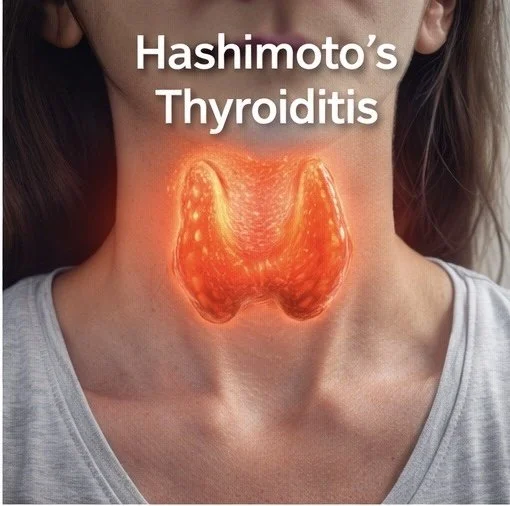
Top 10 Root Causes of Hashimoto’s Thyroiditis
Top root causes of Hashimoto thyroiditis autoimmune thyroid disease
(A Functional Medicine Perspective)
Hashimoto’s thyroiditis is the most common autoimmune thyroid disease and a leading cause of hypothyroidism worldwide. In this condition, the immune system mistakenly attacks the thyroid gland, leading to chronic inflammation and the production of thyroid antibodies such as:
Thyroid peroxidase antibodies (TPO antibodies)
Thyroglobulin antibodies (Tg antibodies)
Conventional treatment typically focuses on replacing thyroid hormone using medications like levothyroxine. While this helps correct hormone levels, it does not always address the underlying causes of autoimmune thyroid disease.
Functional medicine takes a different approach by investigating the root causes that trigger immune dysfunction.
Below are the top 10 root causes of Hashimoto’s thyroiditis identified in research and clinical practice.
1. Gut Health Dysfunction
The gut plays a central role in immune regulation.
Approximately 70% of the immune system resides in the gastrointestinal tract, and disturbances in gut health can contribute to autoimmune diseases.
Common gut-related triggers include:
Dysbiosis (imbalanced gut bacteria)
Small intestinal bacterial overgrowth (SIBO)
Leaky gut (increased intestinal permeability)
Chronic infections
Studies have shown a strong connection between the gut–thyroid axis and autoimmune thyroid disease.
Reference:
Lerner A, Matthias T. The gut–thyroid axis. Int J Celiac Dis. 2016.
2. Gluten Sensitivity and Celiac Disease
Gluten is one of the most studied dietary triggers of Hashimoto’s thyroiditis.
In some individuals, gluten may trigger autoimmune reactions through molecular mimicry, where the immune system mistakenly attacks thyroid tissue after reacting to gluten proteins.
People with Hashimoto’s have a higher prevalence of celiac disease compared to the general population.
For some patients, removing gluten may help reduce thyroid antibodies.
3. Chronic Stress
Chronic stress affects the hypothalamic–pituitary–adrenal (HPA) axis, which interacts closely with thyroid function and immune regulation.
Long-term stress can:
Disrupt immune balance
Increase inflammation
Impair thyroid hormone conversion
Worsen autoimmune disease
Stress management strategies are an important part of managing Hashimoto’s.
4. Nutrient Deficiencies
Several nutrients are essential for healthy thyroid and immune function.
Common deficiencies seen in Hashimoto’s patients include:
Selenium
Vitamin D
Iron (ferritin)
Zinc
Vitamin B12
Low levels of these nutrients may worsen thyroid inflammation and antibody production.
5. Environmental Toxins
Exposure to environmental toxins may contribute to autoimmune diseases.
Potential thyroid disruptors include:
Heavy metals (mercury, lead)
Pesticides
Plastic chemicals (BPA, phthalates)
Mold toxins (mycotoxins)
These substances may disrupt hormone signaling and trigger immune dysregulation.
6. Viral and Bacterial Infections
Certain infections may trigger autoimmune reactions.
Examples associated with Hashimoto’s include:
Epstein–Barr virus (EBV)
Yersinia enterocolitica
Helicobacter pylori
These infections may stimulate the immune system and contribute to thyroid autoimmunity.
7. Hormonal Imbalances
Hormonal changes can influence immune function.
Hashimoto’s is significantly more common in women, suggesting that estrogen and hormonal shifts may play a role.
Autoimmune thyroid disease often appears during:
Pregnancy
Postpartum period
Perimenopause
8. Blood Sugar Dysregulation
Insulin resistance and blood sugar fluctuations can increase inflammation and affect thyroid hormone metabolism.
Stabilizing blood sugar through diet and lifestyle may support overall metabolic health.
9. Chronic Inflammation
Systemic inflammation from diet, infections, stress, or metabolic conditions can contribute to autoimmune activation.
Anti-inflammatory dietary patterns may help reduce immune system overactivity.
10. Genetic Susceptibility
Genetics can increase the risk of autoimmune thyroid disease, but genes alone do not determine whether the disease develops.
Environmental and lifestyle factors often interact with genetic predisposition to trigger Hashimoto’s.
Frequently Asked Questions
Can Hashimoto’s thyroiditis be reversed?
Hashimoto’s is generally considered a chronic autoimmune condition. However, many patients can reduce thyroid antibodies and improve symptoms by addressing root causes such as gut health, nutrient deficiencies, inflammation, and environmental triggers.
Why are my thyroid antibodies high?
High thyroid antibodies indicate immune activity against thyroid tissue. This may be triggered by factors such as gut dysfunction, infections, stress, nutrient deficiencies, or exposure to environmental toxins.
Can gluten worsen Hashimoto’s?
Yes, gluten may worsen autoimmune thyroid disease in some individuals, particularly those with celiac disease or gluten sensitivity.
How can thyroid antibodies be reduced?
Reducing thyroid antibodies often requires a comprehensive strategy including improving gut health, correcting nutrient deficiencies, reducing inflammation, managing stress, and addressing environmental triggers.
Key Takeaways
Hashimoto’s thyroiditis is a complex autoimmune disease influenced by multiple factors.
Identifying and addressing the root causes of autoimmune thyroid disease may help reduce inflammation, improve symptoms, and support long-term thyroid health.
A functional medicine approach focuses on understanding these triggers rather than treating symptoms alone.
If you are struggling with Hashimoto’s thyroiditis, hypothyroidism, fatigue, or thyroid antibodies, a personalized evaluation may help identify the root causes affecting your thyroid health.
To learn more about functional medicine consultations:
Contact us on WhatsApp:
https://wa.me/966558837786
Author
Dr. Samar Shadly
Consultant Physician & Functional Medicine Practitioner
Founder of Radical Wellness
ما هي متلازمة شوغرن؟
متلازمة شوغرن هي مرض مناعي ذاتي مزمن يقوم فيه الجهاز المناعي بمهاجمة الغدد المسؤولة عن إفراز الرطوبة في الجسم، خاصة:
الغدد اللعابية
الغدد الدمعية
مما يؤدي إلى الأعراض الرئيسية:
جفاف العينين
جفاف الفم
لكن المرض قد يؤثر أيضًا على عدة أعضاء في الجسم مثل:
المفاصل
الرئتين
الكلى
الجهاز العصبي
وتصيب هذه المتلازمة النساء بشكل أكبر من الرجال، وغالبًا ما تظهر في منتصف العمر.
وقد تكون:
متلازمة شوغرن الأولية (تحدث بشكل مستقل)
متلازمة شوغرن الثانوية (مرتبطة بأمراض مناعية أخرى مثل الروماتويد أو الذئبة).
أعراض متلازمة شوغرن
تختلف الأعراض من شخص لآخر، وتشمل:
جفاف العينين مع الشعور بالحرقان أو الرمل
جفاف الفم
صعوبة في البلع أو الكلام
تسوس الأسنان
التعب المزمن
آلام المفاصل
ضبابية التفكير (Brain fog)
جفاف الجلد
جفاف المهبل
وفي بعض الحالات قد يؤثر المرض على:
الرئتين
الكلى
الأعصاب الطرفية
الأسباب الجذرية للمرض وفق الطب الوظيفي
يركز الطب الوظيفي على فهم الأسباب التي تؤدي إلى اختلال الجهاز المناعي.
١. صحة الجهاز الهضمي
يلعب الميكروبيوم المعوي دورًا مهمًا في تنظيم الجهاز المناعي.
وقد يساهم:
اختلال البكتيريا المعوية
زيادة نفاذية الأمعاء
في تحفيز أمراض المناعة الذاتية.
٢. الالتهاب المزمن
الالتهاب المستمر قد يؤدي إلى اضطراب الجهاز المناعي.
ومن مسبباته:
النظام الغذائي غير الصحي
السموم البيئية
العدوى المزمنة
التوتر المزمن
٣. نقص العناصر الغذائية
بعض العناصر الغذائية مهمة لتنظيم المناعة مثل:
فيتامين دال
أحماض أوميغا 3
المغنيسيوم
الزنك
السيلينيوم
٤.السموم البيئية
قد تؤثر بعض السموم على الجهاز المناعي مثل:
المعادن الثقيلة
السموم الفطرية
الملوثات البيئية
5. العوامل الهرمونية
تصيب متلازمة شوغرن النساء بشكل أكبر، مما يشير إلى دور محتمل للهرمونات في تطور المرض.
الفحوصات في الطب الوظيفي
قد يشمل التقييم الشامل:
فحوصات المناعة الذاتية
ANA
Anti-SSA
Anti-SSB
مؤشرات الالتهاب
تقييم صحة الأمعاء
تحليل البراز قد يكشف عن:
خلل البكتيريا المعوية
الالتهاب
سوء الهضم
تقييم العناصر الغذائية
مثل:
فيتامين دال
أوميغا 3
فيتامينات ب
المغنيسيوم
تقييم السموم
في بعض الحالات قد يتم فحص:
المعادن الثقيلة
السموم الفطرية
العلاج وفق الطب الوظيفي
يركز العلاج على تقليل الالتهاب ودعم توازن الجهاز المناعي.
التغذية العلاجية
تشمل عادة:
نظام غذائي مضاد للالتهاب
زيادة الخضروات والفواكه
الدهون الصحية مثل أوميغا-3
تقليل السكر والأطعمة المصنعة
دعم صحة الأمعاء
قد يشمل:
علاج اختلال البكتيريا المعوية
دعم بطانة الأمعاء
تحسين الهضم
المكملات الغذائية
قد تشمل:
أوميغا-3
فيتامين D
البروبيوتيك
المغنيسيوم
الكركمين
تعديل نمط الحياة
يشمل:
تقليل التوتر
تحسين النوم
ممارسة النشاط البدني
تقنيات الاسترخاء والتأمل
استشارة الطب الوظيفي
إذا كنت تعاني من:
جفاف العينين أو الفم
التعب المزمن
آلام المفاصل
أعراض أمراض المناعة الذاتية
فقد يساعد تقييم الطب الوظيفي في فهم الأسباب الجذرية للمرض ووضع خطة علاجية مخصصة.
📲 للتواصل أو حجز استشارة عبر واتساب
أقرأ ايضا
لماذا أعاني من الانتفاخ رغم أن الفحوصات طبيعية؟ الدليل الشامل للأسباب الخفية وعلاج الانتفاخ المزمن
ما هو SIBO؟ الدليل الكامل لفرط نمو البكتيريا في الأمعاء الدقيقة
لماذا لا تزال أعراض القولون العصبي مستمرة؟
هل يمكن أن تؤثر صحة الأمعاء على مرض هاشيموتو؟الصدفية وصحة الأمعاء: كيف يؤثر ميكروبيوم الأمعاء على الصدفية من منظور الطب الوظيفي؟
What is Sjögren’s Syndrome?
Sjögren’s syndrome is a chronic autoimmune disease in which the immune system mistakenly attacks the body’s moisture-producing glands, especially the salivary and tear glands.
This leads to the classic symptoms of:
Dry eyes
Dry mouth
However, Sjögren’s syndrome can affect multiple organs and systems, including the joints, lungs, kidneys, nerves, and digestive system.
According to epidemiological studies, women are affected far more frequently than men, particularly between the ages of 40 and 60.
Sjögren’s syndrome may occur:
Primary Sjögren’s syndrome – occurring alone
Secondary Sjögren’s syndrome – occurring alongside other autoimmune diseases such as rheumatoid arthritis or lupus.
Common Symptoms of Sjögren’s Syndrome
Symptoms can vary significantly from person to person.
Common symptoms include:
Dry eyes (burning, irritation, gritty sensation)
Dry mouth (difficulty swallowing or speaking)
Dental cavities due to reduced saliva
Fatigue
Joint pain
Brain fog
Vaginal dryness
Dry skin
In some cases, Sjögren’s syndrome may also affect:
The lungs
The kidneys
The peripheral nervous system
Why Does Sjögren’s Syndrome Occur?
A Functional Medicine Perspective
Functional medicine focuses on identifying root causes of immune dysregulation rather than only suppressing symptoms.
Several biological factors may contribute to autoimmune diseases like Sjögren’s syndrome.
1. Gut Health and the Microbiome
The gut plays a critical role in regulating the immune system.
Research suggests that gut dysbiosis and intestinal permeability (“leaky gut”) may contribute to autoimmune activation.
Possible triggers include:
Food sensitivities
Chronic infections
Antibiotic exposure
Poor diet
2. Chronic Inflammation
Persistent inflammation can promote immune imbalance.
Sources of inflammation may include:
Highly processed foods
Environmental toxins
Chronic infections
Stress
3. Nutrient Deficiencies
Several nutrients are essential for immune regulation.
Deficiencies that may worsen autoimmune disease include:
Vitamin D
Omega-3 fatty acids
Magnesium
Selenium
Zinc
4. Environmental Triggers
Exposure to environmental toxins may disrupt immune regulation.
Examples include:
Heavy metals
Mold toxins (mycotoxins)
Air pollution
Chemical exposures
5. Hormonal Factors
Sjögren’s syndrome occurs more frequently in women, suggesting a potential role of hormonal imbalance in autoimmune activation.
Functional Medicine Testing for Sjögren’s Syndrome
A comprehensive evaluation may include:
Autoimmune Testing
ANA
Anti-SSA (Ro)
Anti-SSB (La)
Inflammatory markers (CRP, ESR)
Gut Health Testing
Stool testing may identify:
Dysbiosis
Gut inflammation
Digestive dysfunction
Nutritional Testing
Assessment of key nutrients such as:
Vitamin D
Omega-3 fatty acids
B vitamins
Magnesium
Environmental Toxin Testing
In selected cases, clinicians may evaluate exposure to:
Heavy metals
Mycotoxins
Functional Medicine Strategies for Sjögren’s Syndrome
Functional medicine focuses on supporting immune balance and reducing inflammation.
1. Anti-Inflammatory Nutrition
A therapeutic diet may include:
Whole, nutrient-dense foods
High antioxidant vegetables and fruits
Omega-3 fatty acids
Elimination of inflammatory foods such as refined sugar and ultra-processed foods
Some individuals benefit from autoimmune elimination diets.
2. Gut Healing
Improving gut health may support immune regulation.
Strategies may include:
Restoring beneficial gut bacteria
Treating dysbiosis or infections
Supporting intestinal barrier integrity
3. Targeted Supplements
Depending on individual needs, supplements may include:
Omega-3 fatty acids
Vitamin D
Probiotics
Magnesium
Curcumin
These interventions aim to reduce inflammation and support immune balance.
4. Lifestyle Medicine
Lifestyle factors strongly influence autoimmune health.
Important interventions include:
Stress management
Regular physical activity
Restorative sleep
Mind-body practices such as meditation or breathing exercises
A Personalized Approach to Autoimmune Disease
Autoimmune diseases are complex and each patient’s triggers may be different.
Functional medicine aims to:
Identify root causes
Reduce immune triggers
Restore metabolic and immune balance
Improve overall quality of life
Work With Dr. Samar Shadly
If you are experiencing symptoms such as:
Chronic dry eyes or dry mouth
Fatigue and brain fog
Joint pain
Autoimmune disease symptoms
A functional medicine evaluation may help identify the underlying causes of immune imbalance.
📲 Contact us or book a consultation via WhatsApp
Related topics:
Dry Eye Disease: Causes, Symptoms, Treatment & Natural Strategies
ما هو ارتفاع ضغط الدم؟
ارتفاع ضغط الدم هو من أكثر الأمراض المزمنة انتشارًا في العالم، ويُعد عامل خطر رئيسي للإصابة بـ:
أمراض القلب
الجلطات القلبية
السكتات الدماغية
أمراض الكلى
يتم قياس ضغط الدم برقمين:
الضغط الانقباضي: ضغط الدم أثناء انقباض القلب
الضغط الانبساطي: ضغط الدم بين ضربات القلب
ويُشخَّص ارتفاع ضغط الدم عادة عندما يكون:
130/80 ملم زئبق أو أكثر
وغالبًا ما يُسمى ارتفاع ضغط الدم “القاتل الصامت” لأنه قد لا يسبب أعراضًا واضحة لسنوات.
أعراض ارتفاع ضغط الدم
في كثير من الحالات لا تظهر أعراض، لكن قد يشعر بعض الأشخاص بـ:
الصداع
الدوخة
التعب
تشوش الرؤية
ضيق التنفس
ومع ذلك، يمكن أن يسبب ضغط الدم المرتفع تلفًا تدريجيًا للأعضاء دون أعراض واضحة.
الأسباب الجذرية لارتفاع ضغط الدم (وفق الطب الوظيفي)
يركز الطب الوظيفي على فهم الأسباب الأساسية للمرض وليس فقط علاج الأعراض.
1. مقاومة الإنسولين
تعد مقاومة الإنسولين من أهم العوامل المسببة لارتفاع ضغط الدم.
حيث تؤدي إلى:
احتباس الصوديوم
زيادة نشاط الجهاز العصبي السمبثاوي
زيادة الالتهاب
وغالبًا ما ترتبط بـ:
السمنة
ما قبل السكري
السكري من النوع الثاني
2. الالتهاب المزمن
الالتهاب المزمن يؤثر على صحة الأوعية الدموية ويؤدي إلى خلل في وظيفة البطانة الوعائية.
ومن أسبابه:
النظام الغذائي غير الصحي
اختلال البكتيريا المعوية
العدوى المزمنة
السموم البيئية
3. صحة الأمعاء
تشير الدراسات الحديثة إلى أن ميكروبيوم الأمعاء يلعب دورًا مهمًا في تنظيم ضغط الدم.
اختلال توازن البكتيريا المعوية قد يؤدي إلى زيادة الالتهاب واضطراب تنظيم ضغط الدم.
4. نقص العناصر الغذائية
بعض العناصر الغذائية ضرورية للحفاظ على ضغط دم صحي مثل:
المغنيسيوم
البوتاسيوم
فيتامين D
أحماض أوميغا-3
5. التوتر المزمن
التوتر المزمن يؤدي إلى تنشيط الجهاز العصبي السمبثاوي وارتفاع هرمون الكورتيزول، مما يرفع ضغط الدم.
6. السموم البيئية
بعض السموم مثل المعادن الثقيلة قد تؤثر على:
الكلى
الأوعية الدموية
الإجهاد التأكسدي
الفحوصات في الطب الوظيفي
قد يشمل التقييم الشامل:
تحاليل القلب والتمثيل الغذائي
تحليل الدهون المتقدم
الإنسولين الصائم
HbA1c
hs-CRP
تقييم العناصر الغذائية
المغنيسيوم
فيتامين D
أوميغا-3
تقييم صحة الأمعاء
تحليل البراز قد يساعد في الكشف عن:
خلل البكتيريا المعوية
الالتهاب
تقييم السموم
في بعض الحالات قد يتم فحص:
المعادن الثقيلة
السموم الفطرية
العلاج في الطب الوظيفي
يركز العلاج على معالجة الأسباب الجذرية.
التغذية العلاجية
قد يشمل النظام الغذائي:
نظام غذائي مضاد للالتهاب
زيادة الخضروات والفواكه
الدهون الصحية
تقليل السكريات والأطعمة المصنعة
المكملات الغذائية
قد تشمل:
المغنيسيوم
أوميغا-3
CoQ10
مستخلص الثوم
النترات الطبيعية (مثل الشمندر)
تعديل نمط الحياة
من أهم عوامل التحكم في ضغط الدم:
ممارسة الرياضة
النوم الجيد
تقليل التوتر
الحفاظ على وزن صحي
استشارة الطب الوظيفي
إذا كنت تعاني من:
ارتفاع ضغط الدم
مقاومة الإنسولين
التعب المزمن
مشاكل الجهاز الهضمي
فقد يساعد تقييم الطب الوظيفي في فهم السبب الحقيقي ووضع خطة علاجية مخصصة لك.
📲 للتواصل أو حجز استشارة عبر واتساب
👉 https://wa.me/966558837786
What is Hypertension?
Hypertension, or high blood pressure, is one of the most common chronic health conditions worldwide and a leading risk factor for heart disease, stroke, kidney disease, and cardiovascular complications.
Blood pressure is measured using two numbers:
Systolic pressure: pressure in the arteries when the heart beats
Diastolic pressure: pressure in the arteries between heartbeats
According to current clinical guidelines, hypertension is typically defined as:
Blood pressure ≥130/80 mmHg
Many people have high blood pressure without noticeable symptoms, which is why it is often called the “silent killer.”
Common Symptoms of Hypertension
Although many individuals have no symptoms, some may experience:
Headaches
Dizziness
Fatigue
Blurred vision
Shortness of breath
Nosebleeds (in severe cases)
However, hypertension can silently damage organs for years without symptoms, making early detection essential.
Root Causes of Hypertension (Functional Medicine Perspective)
Functional medicine focuses on identifying and correcting the underlying causes of disease, rather than simply controlling symptoms.
Several biological systems can contribute to elevated blood pressure.
1. Insulin Resistance and Metabolic Syndrome
Insulin resistance is a major driver of hypertension.
High insulin levels can lead to:
Increased sodium retention
Activation of the sympathetic nervous system
Increased vascular inflammation
This is why hypertension often occurs alongside:
Obesity
Prediabetes
Type 2 diabetes
High triglycerides
2. Chronic Inflammation
Inflammation affects the health of blood vessels and contributes to endothelial dysfunction, a key mechanism in hypertension.
Common sources of inflammation include:
Poor diet
Gut dysbiosis
Chronic infections
Environmental toxins
3. Gut Health and the Microbiome
Recent research shows that the gut microbiome plays an important role in regulating blood pressure.
Certain gut bacteria produce compounds such as short-chain fatty acids, which influence vascular tone and inflammation.
Disruption of the microbiome may contribute to hypertension.
4. Nutrient Deficiencies
Several nutrients are essential for maintaining healthy blood pressure, including:
Magnesium
Potassium
Vitamin D
Omega-3 fatty acids
Deficiencies may impair vascular relaxation and increase blood pressure.
5. Chronic Stress and Nervous System Imbalance
Stress activates the sympathetic nervous system, increasing:
Heart rate
Cortisol levels
Blood pressure
Chronic psychological stress can significantly contribute to persistent hypertension.
6. Environmental Toxins
Exposure to heavy metals and environmental pollutants may contribute to hypertension by affecting:
Kidney function
Vascular inflammation
Oxidative stress
Examples include:
Lead
Mercury
Air pollution
Industrial chemicals
Functional Medicine Testing for Hypertension
A comprehensive evaluation may include:
Cardiometabolic Testing
Advanced lipid panel
Fasting insulin
HbA1c
hs-CRP
Nutrient Status
Magnesium
Vitamin D
Omega-3 index
Gut Health Testing
Stool testing may identify:
Dysbiosis
Intestinal inflammation
Environmental Toxin Assessment
In selected cases:
Heavy metal testing
Mycotoxin testing
Functional Medicine Treatment Strategies
The goal of functional medicine is to restore cardiovascular balance and metabolic health.
1. Anti-Inflammatory Nutrition
A therapeutic diet may include:
Vegetables and fruits rich in antioxidants
Healthy fats (olive oil, nuts, omega-3 fish)
High-fiber foods
Reduced processed foods and sugar
Dietary approaches such as the Mediterranean diet have strong evidence for lowering blood pressure.
2. Targeted Supplements
Evidence-based supplements may include:
Magnesium
Omega-3 fatty acids
Coenzyme Q10
Potassium (when appropriate)
Garlic extract
Beetroot (nitrate support)
Supplement recommendations should always be individualized.
3. Lifestyle Optimization
Lifestyle interventions remain the foundation of blood pressure management.
Important strategies include:
Regular physical activity
Weight optimization
Stress reduction
Quality sleep
Even modest improvements in lifestyle can significantly reduce blood pressure.
Integrating Functional Medicine with Conventional Care
Some individuals may still require blood pressure medications.
However, combining conventional treatment with functional medicine strategies can improve:
Metabolic health
Cardiovascular risk
Long-term outcomes
Personalized Functional Medicine Evaluation
Each patient has a unique combination of genetic, metabolic, and environmental factors.
A personalized evaluation may include:
Comprehensive health history
Functional laboratory testing
Root-cause investigation
Individualized treatment plan
The goal is not only lowering blood pressure numbers but improving overall health and longevity.
Work With Dr. Samar Shadly
If you struggle with:
High blood pressure
Metabolic syndrome
Chronic fatigue
Insulin resistance
Gut health problems
A functional medicine evaluation may help identify the root causes and create a personalized health plan.
📲 Contact us or book a consultation via WhatsApp
👉 https://wa.me/966558837786
ارتفاع مستوى الدهون في الدم
فرط شحميات الدم هو ارتفاع مستوى الدهون في الدم مثل الكوليسترول والدهون الثلاثية. ويعد من أكثر الاضطرابات الاستقلابية شيوعًا في العالم، وهو عامل خطر رئيسي للإصابة بـ:
أمراض القلب
الجلطات القلبية
السكتات الدماغية
تشمل الاضطرابات الشائعة:
ارتفاع LDL (الكوليسترول الضار)
انخفاض HDL (الكوليسترول الجيد)
ارتفاع الدهون الثلاثية
ارتفاع ApoB أو Lp(a)
في الطب التقليدي غالبًا ما يركز العلاج على خفض الكوليسترول بالأدوية، بينما يسعى الطب الوظيفي إلى فهم الأسباب الجذرية للمشكلة.
الأسباب الجذرية لارتفاع الكوليسترول
يرى الطب الوظيفي أن اضطراب الدهون غالبًا ما يكون علامة على خلل أيضي أعمق وليس مجرد مشكلة غذائية.
1. مقاومة الإنسولين
من أهم أسباب اضطراب الدهون في الدم.
قد تؤدي إلى:
ارتفاع الدهون الثلاثية
انخفاض HDL
زيادة LDL الصغير والكثيف
2. الالتهاب المزمن
الالتهاب المزمن يؤثر على أيض الدهون ويساهم في تكوّن الترسبات في الشرايين.
ومن أسبابه:
اضطراب البكتيريا النافعة في الأمعاء
الحساسية الغذائية
العدوى المزمنة
السموم البيئية
3. صحة الجهاز الهضمي
أظهرت الدراسات الحديثة أن ميكروبيوم الأمعاء يلعب دورًا مهمًا في تنظيم الدهون في الدم.
ومن الحالات المرتبطة بذلك:
فرط نمو البكتيريا في الأمعاء الدقيقة (SIBO)
خلل توازن البكتيريا المعوية
زيادة نفاذية الأمعاء
4. العوامل الجينية
بعض الطفرات الجينية قد تؤثر على أيض الكوليسترول مثل:
APOE
MTHFR
CETP
وقد يساعد الفحص الجيني في تصميم خطة علاجية مناسبة لكل شخص.
5. السموم البيئية
التعرض لبعض السموم مثل:
المعادن الثقيلة
السموم الفطرية
الملوثات البيئية
قد يؤثر على مسارات الأيض وتنظيم الدهون.
الفحوصات في الطب الوظيفي
التقييم الشامل قد يشمل:
تحاليل الدهون المتقدمة
بدل التحليل التقليدي فقط، قد تشمل الفحوصات:
ApoB
Lipoprotein(a)
عدد جزيئات LDL
hs-CRP
فحوصات التمثيل الغذائي
الإنسولين الصائم
HbA1c
مؤشرات مقاومة الإنسولين
تقييم صحة الأمعاء
تحليل البراز قد يساعد في الكشف عن:
اختلال البكتيريا المعوية
الالتهاب
سوء الامتصاص
تقييم السموم
في بعض الحالات قد يُنصح بفحص:
المعادن الثقيلة
السموم الفطرية
العلاج في الطب الوظيفي
يركز العلاج على تصحيح الأسباب الجذرية.
التغذية العلاجية
تشمل غالبًا:
نظام غذائي مضاد للالتهاب
زيادة الألياف
تقليل السكريات والكربوهيدرات المكررة
تناول الدهون الصحية مثل أوميغا-3
المكملات الغذائية
قد تشمل:
أوميغا 3
الألياف
البربرين
الستيرولات النباتية
CoQ10
ويجب اختيارها بشكل فردي لكل مريض.
تعديل نمط الحياة
من أهم عوامل العلاج:
ممارسة الرياضة
تحسين النوم
إدارة التوتر
الحفاظ على وزن صحي
استشارة الطب الوظيفي
إذا كنت تعاني من:
ارتفاع الكوليسترول
متلازمة الأيض
مقاومة الإنسولين
التعب المزمن
مشاكل الجهاز الهضمي
فقد يساعد تقييم الطب الوظيفي في تحديد السبب الحقيقي ووضع خطة علاجية مخصصة.
📲 للتواصل أو حجز استشارة عبر واتساب
👉 https://wa.me/966558837786
Hyperlipidemia: A Functional Medicine Approach to High Cholesterol
What is Hyperlipidemia?
Hyperlipidemia refers to elevated levels of lipids (fats) in the blood, including cholesterol and triglycerides. It is one of the most common metabolic conditions worldwide and a major risk factor for cardiovascular disease, heart attack, and stroke.
The most common abnormalities include:
High LDL cholesterol (often called “bad cholesterol”)
Low HDL cholesterol (“good cholesterol”)
Elevated triglycerides
Increased ApoB and lipoprotein(a)
While conventional medicine often focuses primarily on medication to lower cholesterol, functional medicine aims to identify and address the root causes driving lipid imbalance.
Why Cholesterol Problems Occur (Root Causes)
Functional medicine recognizes that abnormal cholesterol levels are often a symptom of deeper metabolic dysfunction rather than simply a dietary problem.
Common root causes include:
1. Insulin Resistance
One of the strongest drivers of abnormal lipid levels.
High insulin levels can cause:
Elevated triglycerides
Low HDL
Increased small dense LDL
2. Chronic Inflammation
Inflammation alters lipid metabolism and promotes plaque formation.
Sources of inflammation include:
Gut dysbiosis
Food sensitivities
Chronic infections
Environmental toxins
3. Poor Gut Health
Emerging research shows that the gut microbiome strongly influences lipid metabolism.
Conditions such as:
SIBO
Dysbiosis
Intestinal permeability
may contribute to metabolic disease.
4. Genetic Factors
Certain genetic variations influence cholesterol metabolism, including:
APOE
MTHFR
CETP
LDL receptor variants
Genetic testing can help personalize treatment strategies.
5. Environmental Toxins
Heavy metals, mold toxins, and environmental chemicals may interfere with metabolic pathways involved in lipid regulation.
Symptoms of Hyperlipidemia
Most people with hyperlipidemia have no obvious symptoms, which is why it is often called a silent condition.
However, associated symptoms may include:
Fatigue
Brain fog
Weight gain
Insulin resistance
Fatty liver
Metabolic syndrome
Functional Medicine Testing
A comprehensive functional medicine evaluation may include:
Advanced Lipid Testing
Instead of a basic cholesterol panel, advanced markers provide deeper insight:
ApoB
Lipoprotein(a)
LDL particle number
LDL particle size
hs-CRP
Metabolic Testing
Fasting insulin
HbA1c
HOMA-IR
Liver enzymes
Gut Health Testing
Stool analysis may help detect:
Dysbiosis
Inflammation
Malabsorption
Toxin Testing
In selected cases:
Heavy metal testing
Mycotoxin testing
Nutrient Testing
Important nutrients affecting lipid metabolism:
Vitamin D
Omega-3 index
Magnesium
B vitamins
Functional Medicine Treatment Strategies
A functional medicine plan focuses on correcting the underlying causes of metabolic imbalance.
1. Nutrition
A therapeutic nutrition plan may include:
Anti-inflammatory diet
High fiber foods
Omega-3 rich foods (fatty fish)
Reduction of refined carbohydrates and sugar
Increased plant polyphenols
Mediterranean and metabolic health diets have strong evidence in improving lipid profiles.
2. Targeted Supplements
Common evidence-based supplements include:
Omega-3 fatty acids
Berberine
Red yeast rice (in selected patients)
Fiber (psyllium, beta-glucan)
Plant sterols
CoQ10
Supplement use should always be personalized.
3. Lifestyle Optimization
Lifestyle medicine is essential for metabolic health.
Key strategies include:
Regular physical activity
Stress management
Sleep optimization
Weight management
Even modest lifestyle improvements can significantly improve lipid levels.
When Medication May Be Necessary
In certain high-risk individuals, medications such as statins or other lipid-lowering therapies may still be necessary.
However, combining conventional cardiology with functional medicine strategies often leads to better long-term metabolic outcomes.
Personalized Functional Medicine Care
Every patient is different.
A personalized approach may include:
Detailed health history
Advanced laboratory testing
Root-cause investigation
Individualized treatment plan
Functional medicine aims to optimize metabolic health rather than simply suppress laboratory numbers.
Work With Dr. Samar Shadly
If you struggle with:
High cholesterol
Metabolic syndrome
Insulin resistance
Unexplained fatigue
Gut health problems
A functional medicine evaluation may help identify the root cause and create a personalized plan.
📲 Book a consultation or ask about testing through WhatsApp
👉 https://wa.me/966558837786
هل يمكن عكس أمراض المناعة الذاتية بشكل طبيعي؟
تحدث أمراض المناعة الذاتية عندما يهاجم الجهاز المناعي أنسجة الجسم عن طريق الخطأ. وتشمل هذه الأمراض:
مرض هاشيموتو للغدة الدرقية
التهاب المفاصل الروماتويدي
الذئبة الحمراء
متلازمة شوغرن
التصلب المتعدد
في الطب التقليدي غالبًا ما يركز العلاج على تثبيط جهاز المناعة لتقليل الأعراض. أما في الطب الوظيفي (Functional Medicine) فيتم التركيز على البحث عن السبب الجذري للمرض ومعالجته.
يسأل الكثير من المرضى:
هل يمكن عكس أمراض المناعة الذاتية طبيعيًا؟
في كثير من الحالات قد لا يتم الشفاء الكامل، ولكن يمكن تقليل نشاط المرض وتحسين الأعراض بشكل كبير وربما الوصول إلى حالة خمود المرض عند معالجة الأسباب الجذرية.
ما الأسباب الجذرية لأمراض المناعة الذاتية؟
غالبًا ما تحدث أمراض المناعة الذاتية نتيجة تفاعل ثلاثة عوامل رئيسية:
الاستعداد الجيني
العوامل البيئية
زيادة نفاذية الأمعاء (Leaky Gut)
ومن العوامل المحفزة الشائعة:
اضطراب ميكروبيوم الأمعاء
حساسية بعض الأطعمة
العدوى المزمنة
السموم البيئية مثل المعادن الثقيلة أو العفن
اختلال الهرمونات
التوتر المزمن
الخطوة الأولى: إصلاح صحة الأمعاء
تشير الدراسات إلى أن حوالي 70–80٪ من جهاز المناعة يوجد في الأمعاء.
عند تضرر بطانة الأمعاء يمكن أن تدخل مواد غير مهضومة إلى الدم وتثير استجابة مناعية.
طرق دعم صحة الأمعاء تشمل:
إزالة الأطعمة المسببة للالتهاب
دعم البكتيريا النافعة
علاج اضطرابات الجهاز الهضمي مثل SIBO
دعم بطانة الأمعاء
الخطوة الثانية: تحديد الأطعمة المحفزة
بعض الأطعمة قد تزيد نشاط المناعة لدى بعض الأشخاص مثل:
الغلوتين
منتجات الألبان
السكر المكرر
الأطعمة المصنعة
قد يساعد نظام الحمية الإقصائية (Elimination Diet) في تحديد هذه المحفزات.
الخطوة الثالثة: تقليل الالتهاب المزمن
الالتهاب المزمن يعتبر عاملًا رئيسيًا في أمراض المناعة الذاتية.
يمكن تقليل الالتهاب من خلال:
نظام غذائي مضاد للالتهاب
تناول أحماض أوميغا 3
النوم الكافي
ممارسة الرياضة بانتظام
الخطوة الرابعة: تقليل التعرض للسموم
بعض السموم البيئية قد تؤثر على الجهاز المناعي مثل:
السموم الفطرية (العفن)
المعادن الثقيلة
المواد الكيميائية البيئية
في بعض الحالات قد تساعد الفحوصات الوظيفية في تحديد هذه العوامل.
الخطوة الخامسة: إدارة التوتر
التوتر المزمن يؤثر بشكل كبير على جهاز المناعة.
طرق تقليل التوتر تشمل:
التأمل
تمارين التنفس
الصلاة أو اليقظة الذهنية
قضاء وقت في الطبيعة
خلاصة
أمراض المناعة الذاتية معقدة، لكن اتباع نهج شامل يركز على النظام الغذائي، صحة الأمعاء، نمط الحياة، وتقليل السموم قد يساعد على تحسين الحالة بشكل كبير.
الطب الوظيفي يهدف إلى معالجة السبب الجذري وليس فقط الأعراض.
📩 هل تحتاج إلى خطة علاجية مخصصة؟
الدكتورة سمر شاذلي
طبيبة واستشارية في الطب الوظيفي والشمولي تساعد المرضى على علاج أمراض المناعة الذاتية من جذورها.
للتواصل عبر واتساب وحجز استشارة:
https://wa.me/966558837786
الموقع الإلكتروني:
https://www.drsamarshadly.com
How to Reverse Autoimmune Disease Naturally: A Functional Medicine Approach
Autoimmune diseases occur when the immune system mistakenly attacks the body’s own tissues. Conditions such as Hashimoto’s thyroiditis, rheumatoid arthritis, lupus, Sjögren’s syndrome, and multiple sclerosis affect millions of people worldwide and are becoming increasingly common.
Conventional medicine often focuses on suppressing the immune system to control symptoms. While this can be necessary in some situations, functional medicine focuses on identifying and addressing the root causes that trigger immune dysfunction.
Many patients ask:
Can autoimmune disease be reversed naturally?
The answer is complex. In many cases, autoimmune disease cannot always be completely “cured,” but symptoms and immune activity can often be significantly improved or put into remission when the root causes are addressed.
Understanding the Root Causes of Autoimmune Disease
Research suggests that autoimmune disease usually develops when three factors combine:
Genetic predisposition
Environmental triggers
Intestinal permeability (leaky gut)
This concept is widely discussed in functional medicine and supported by immunology research.
Common triggers include:
• Chronic gut inflammation
• Food sensitivities
• Chronic infections
• Environmental toxins (heavy metals, mold toxins)
• Hormonal imbalance
• Chronic stress
Addressing these factors can help regulate the immune system.
Step 1: Heal the Gut
Around 70–80% of the immune system is located in the gut. When the gut barrier becomes damaged, undigested proteins and toxins can enter the bloodstream and trigger immune reactions.
Strategies to support gut healing include:
• Removing inflammatory foods
• Supporting the microbiome
• Treating infections such as SIBO or dysbiosis
• Repairing the intestinal lining
Helpful nutrients may include:
• L-glutamine
• zinc carnosine
• omega-3 fatty acids
• probiotics
Step 2: Identify Food Triggers
Certain foods can stimulate immune activity in susceptible individuals.
Common triggers include:
• gluten
• dairy
• processed foods
• refined sugar
• industrial seed oils
Many practitioners recommend a temporary elimination diet to identify triggers and reduce inflammation.
Step 3: Reduce Chronic Inflammation
Chronic inflammation is a key driver of autoimmune disease.
Anti-inflammatory strategies include:
• Mediterranean-style diet
• omega-3 fatty acids
• turmeric and polyphenols
• adequate sleep
• regular movement and exercise
These lifestyle changes help regulate immune signaling.
Step 4: Address Environmental Toxins
Environmental exposures may influence immune dysfunction.
Potential contributors include:
• mold toxins (mycotoxins)
• heavy metals
• endocrine disruptors
• air pollution
Functional medicine testing may help identify these exposures in some patients.
Step 5: Support Stress Regulation
Chronic stress significantly affects immune balance.
Stress management strategies include:
• meditation
• breathing exercises
• prayer or mindfulness practices
• spending time in nature
Research shows that chronic stress can worsen autoimmune activity by increasing inflammatory signaling.
Step 6: Personalized Functional Testing
Every autoimmune patient is different. Functional testing can sometimes help identify hidden drivers such as:
• gut microbiome imbalance
• nutrient deficiencies
• toxin exposure
• mitochondrial dysfunction
A personalized treatment plan based on these findings often leads to better outcomes.
Final Thoughts
Autoimmune diseases are complex conditions, but many patients experience meaningful improvement when the root causes of immune dysfunction are addressed.
A comprehensive approach that includes nutrition, lifestyle medicine, gut health optimization, and environmental assessment can help support immune balance and overall health.
If you are struggling with an autoimmune condition, working with a practitioner trained in functional medicine may help uncover underlying contributors to your symptoms.
☎️ Need personalized guidance?
Dr. Samar Shadly is a medical doctor and certified functional medicine practitioner who helps patients address autoimmune disease using a root-cause approach.
Message on WhatsApp to learn more or schedule a consultation:
Website:
https://www.drsamarshadly.com
التصلب المتعدد: التشخيص والعلاج من منظور الطب الوظيفي
ما هو التصلب المتعدد؟
التصلب المتعدد (Multiple Sclerosis) هو مرض مناعي ذاتي مزمن يصيب الجهاز العصبي المركزي، بما في ذلك الدماغ والحبل الشوكي.
في هذا المرض يقوم الجهاز المناعي بمهاجمة الغلاف الواقي للأعصاب (الميالين) مما يؤدي إلى الالتهاب وتلف الإشارات العصبية.
يظهر المرض غالبًا بين عمر 20 و40 سنة ويصيب النساء أكثر من الرجال.
أعراض التصلب المتعدد
تختلف الأعراض من شخص لآخر وقد تشمل:
الإرهاق الشديد
التنميل أو الوخز في الأطراف
ضعف العضلات
صعوبة المشي
مشاكل في الرؤية
ضعف التركيز أو ما يسمى بضباب الدماغ
مشاكل في التوازن
غالبًا ما يحدث المرض على شكل نوبات انتكاس وتحسن.
تشخيص التصلب المتعدد
يعتمد التشخيص على مجموعة من الفحوصات السريرية والمخبرية.
التصوير بالرنين المغناطيسي (MRI)
يعد الفحص الأهم حيث يظهر مناطق الالتهاب أو التلف في الدماغ والحبل الشوكي.
الفحص العصبي
يقوم الطبيب بتقييم:
ردود الأفعال العصبية
قوة العضلات
التوازن والتنسيق
تحليل السائل النخاعي
قد يظهر وجود أشرطة قليلة النسائل (Oligoclonal bands) التي تدعم تشخيص المرض.
العلاج التقليدي
يشمل العلاج عادة:
أدوية معدلة لمسار المرض
الكورتيزون لعلاج النوبات
أدوية للتحكم في الأعراض
هذه العلاجات تساعد في تقليل الانتكاسات لكنها قد لا تعالج الأسباب الجذرية للمرض.
التصلب المتعدد من منظور الطب الوظيفي
يركز الطب الوظيفي على فهم العوامل التي قد تساهم في نشاط المرض مثل:
صحة الأمعاء
نقص الفيتامينات
الالتهاب المزمن
السموم البيئية
التوتر المزمن
العوامل المهمة التي قد تؤثر في المرض
صحة الأمعاء
تشير الدراسات إلى أن ميكروبيوم الأمعاء يلعب دورًا مهمًا في تنظيم جهاز المناعة.
اختلال التوازن في البكتيريا المعوية قد يساهم في الأمراض المناعية.
نقص فيتامين د
يرتبط نقص فيتامين د بزيادة خطر الإصابة بالتصلب المتعدد وشدة المرض.
الالتهاب المزمن
الالتهاب المزمن في الجسم قد يزيد من نشاط المرض.
النظام الغذائي ونمط الحياة يلعبان دورًا مهمًا في تقليل الالتهاب.
السموم البيئية
مثل:
المعادن الثقيلة
السموم الفطرية (العفن)
المواد الكيميائية البيئية
الفحوصات في الطب الوظيفي
قد تشمل الفحوصات:
تحليل الفيتامينات والمعادن
تحليل فيتامين د
تحليل ميكروبيوم الأمعاء
تحليل السموم الفطرية
تحليل المعادن الثقيلة
مؤشرات الالتهاب
استراتيجيات العلاج في الطب الوظيفي
النظام الغذائي المضاد للالتهاب
يشمل:
الأطعمة الطبيعية الكاملة
الخضروات الغنية بالمغذيات
الدهون الصحية مثل أوميغا 3
تقليل الأطعمة المصنعة
بعض المرضى يستفيدون من بروتوكول والز (Wahls Protocol) الذي يركز على دعم صحة الدماغ والتغذية العلاجية.
دعم الفيتامينات والمغذيات
قد يشمل:
فيتامين د
أحماض أوميغا 3
المغنيسيوم
فيتامينات B
دعم صحة الأمعاء
البروبيوتيك
دعم بطانة الأمعاء
علاج اختلال البكتيريا
تقليل التوتر وتحسين نمط الحياة
تحسين النوم وتقليل التوتر قد يساعدان في تنظيم جهاز المناعة.
إذا كنت تعاني من التصلب المتعدد أو أعراض عصبية مزمنة فقد يساعدك تقييم شامل باستخدام الطب الوظيفي في اكتشاف الأسباب المحتملة ووضع خطة علاج مخصصة.
للتواصل عبر الواتساب وحجز استشارة:
👉 https://wa.me/966558837786
A Functional Medicine Perspective on Multiple Sclerosis
Functional medicine looks deeper to identify root causes and contributing factors that may influence autoimmune activity.
MS is increasingly understood as a condition influenced by immune imbalance, environmental factors, gut health, nutrition, and lifestyle.
Key Factors That May Influence MS
Gut Microbiome and Immune Regulation
The gut microbiome plays a critical role in immune system regulation. Studies suggest that people with MS may have altered gut bacteria.
Improving gut health may help regulate immune responses.
Vitamin D Deficiency
Low vitamin D levels are strongly associated with increased risk and severity of MS.
Vitamin D plays an important role in immune regulation and neurological health.
Chronic Inflammation
Systemic inflammation can worsen autoimmune activity and neurological damage.
Diet and lifestyle interventions can help reduce inflammatory burden.
Environmental Toxins
Exposure to toxins such as:
Heavy metals
Mold toxins (mycotoxins)
Environmental chemicals
may contribute to immune dysregulation in susceptible individuals.
Mitochondrial Dysfunction
Fatigue is one of the most disabling symptoms of MS. Emerging research suggests mitochondrial dysfunction may contribute to neurological fatigue.
Supporting cellular energy production may improve quality of life.
Functional Medicine Testing
A personalized functional medicine evaluation may include:
Comprehensive nutrient testing
Vitamin D levels
Gut microbiome and stool testing
Food sensitivity testing
Mycotoxin testing
Heavy metal screening
Inflammatory markers
These tests help identify potential drivers of inflammation and immune dysregulation.
Functional Medicine Strategies for Supporting MS Patients
A comprehensive approach may include:
Anti-inflammatory Nutrition
Diet plays a powerful role in regulating immune activity.
Many MS patients benefit from:
Whole-food, nutrient-dense diets
Anti-inflammatory foods
Omega-3 fatty acids
Removal of processed foods
Some patients also explore therapeutic diets such as the Wahls Protocol, which focuses on nutrient-dense foods that support neurological health.
Nutritional Support
Based on individual needs, nutrients may include:
Vitamin D
Omega-3 fatty acids
Magnesium
B vitamins
Antioxidants
Gut Health Optimization
Improving gut health may involve:
Probiotics
Targeted antimicrobial protocols
Gut healing nutrients
Stress and Lifestyle Support
The nervous system strongly influences immune function.
Strategies may include:
Stress reduction
Sleep optimization
Mind-body practices such as meditation or yoga
Living Well with Multiple Sclerosis
While MS remains a complex condition, many patients experience meaningful improvement when inflammation is reduced and underlying triggers are addressed.
An integrative approach combining conventional neurology with functional medicine strategies may help optimize long-term outcomes and quality of life.
If you are living with multiple sclerosis, chronic fatigue, or unexplained neurological symptoms, a functional medicine evaluation may help uncover underlying factors contributing to inflammation and immune imbalance.
Dr. Samar Shadly
Functional Medicine Physician – Radical Wellness
To learn more or schedule a consultation:
📱 Contact us on WhatsApp
👉 https://wa.me/966558837786
علاج جفاف العين بالطب الوظيفي والطب الشمولي
الأسباب الجذرية واستراتيجيات طبيعية لتحسين صحة العين
يُعد جفاف العين (Dry Eye Disease) من أكثر مشاكل العين شيوعًا حول العالم. يحدث عندما لا تنتج العين كمية كافية من الدموع أو عندما تتبخر الدموع بسرعة كبيرة. تشمل الأعراض الشائعة حرقة العين، الشعور بالرمل أو الجفاف، احمرار العين، تشوش الرؤية، وحساسية الضوء.
وفقًا لتقرير TFOS DEWS II، فإن جفاف العين غالبًا ما يكون نتيجة مجموعة من العوامل مثل الالتهاب، خلل في غدد الميبوميان الدهنية في الجفن، التغيرات الهرمونية، العوامل البيئية، ونقص بعض العناصر الغذائية.
في الطب التقليدي غالبًا ما يتم علاج جفاف العين باستخدام القطرات المرطبة فقط.
أما في الطب الوظيفي والطب الشمولي—كما يُمارس في عيادة د. سمر شادلي—فيتم التركيز على اكتشاف الأسباب الجذرية للمشكلة وليس فقط تخفيف الأعراض.
الهدف هو تحسين إنتاج الدموع وجودتها بشكل طبيعي من خلال التغذية، نمط الحياة، العناية بالجفون، وتحسين البيئة المحيطة.
الأسباب الجذرية لجفاف العين (من منظور الطب الوظيفي)
ينظر الطب الوظيفي إلى جفاف العين على أنه علامة على خلل في الجسم وليس مجرد مشكلة موضعية في العين.
1. اضطراب صحة الجهاز الهضمي والالتهاب المزمن
اختلال توازن البكتيريا في الأمعاء أو النظام الغذائي غير الصحي قد يؤدي إلى التهاب مزمن في الجسم يؤثر أيضًا على سطح العين.
2. خلل غدد الميبوميان (MGD)
هذه الغدد في الجفون مسؤولة عن إفراز طبقة الزيت في الدموع. عند انسدادها تتبخر الدموع بسرعة أكبر.
3. التغيرات الهرمونية
تؤثر الهرمونات بشكل كبير على إنتاج الدموع، خصوصًا في حالات:
سن ما قبل انقطاع الطمث
انقطاع الطمث
اضطرابات الغدة الدرقية مثل هاشيموتو
4. نقص العناصر الغذائية
نقص بعض المغذيات قد يساهم في جفاف العين، مثل:
أحماض أوميغا 3
فيتامين A
فيتامين D
مضادات الأكسدة
5. العوامل البيئية ونمط الحياة
تشمل:
استخدام الشاشات لفترات طويلة
قلة الرمش أثناء العمل على الكمبيوتر
التدخين
الهواء الجاف بسبب المكيفات
التلوث البيئي
معالجة هذه العوامل قد تساعد بشكل كبير في تحسين أعراض جفاف العين.
استراتيجيات طبيعية لعلاج جفاف العين
1. التغذية الداعمة لصحة العين
أوميغا 3
تساعد أحماض أوميغا 3 على:
تقليل الالتهاب
تحسين وظيفة غدد الميبوميان
استقرار طبقة الدموع
Nordic Naturals Ultimate Omega
https://www.amazon.com/dp/B002CQU564?tag=radicalwell0a-20
Metagenics OmegaGenics EPA-DHA
https://www.amazon.com/dp/B00UG078PE?tag=radicalwell0a-20
الجرعة المستخدمة في الدراسات عادة: 1–3 غرام يوميًا من EPA/DHA
حمض جاما لينولينيك (GLA)
يساعد GLA على تنظيم الالتهاب وتحسين جودة الدموع.
Designs for Health GLA
https://www.amazon.com/dp/B000RGC0GY?tag=radicalwell0a-20
Metagenics OmegaGenics GLA
https://www.amazon.com/dp/B001ECZMZ6?tag=radicalwell0a-20
أوميغا 7 (زيت نبق البحر)
يساعد أوميغا 7 على دعم الأغشية المخاطية في الجسم بما في ذلك العين.
Sea Buckthorn Omega-7
https://www.amazon.com/dp/B004BKR31E?tag=radicalwell0a-20
Terry Naturally Omega-7
https://www.amazon.com/dp/B005AYR4HI?tag=radicalwell0a-20
فيتامين A
يلعب فيتامين A دورًا مهمًا في الحفاظ على صحة سطح العين وإنتاج الدموع.
Pure Encapsulations Vitamin A
https://www.amazon.com/dp/B004JWY2YA?tag=radicalwell0a-20
الفوسفوليبيدات ودعم الخلايا
تساعد الفوسفوليبيدات على دعم:
صحة أغشية الخلايا
وظيفة الميتوكوندريا
صحة أنسجة العين
BodyBio Phosphatidylcholine
https://www.amazon.com/dp/B01M7O4P6D?tag=radicalwell0a-20
Thorne Phosphatidylcholine
https://www.amazon.com/dp/B0797CGC5W?tag=radicalwell0a-20
اختيار قطرات العين المناسبة
من الأفضل اختيار قطرات خالية من المواد الحافظة لأن بعض المواد الحافظة قد تزيد الجفاف مع الاستخدام المتكرر.
Systane Ultra Lubricant Eye Drops
https://www.amazon.com/dp/B014PEZR1S?tag=radicalwell0a-20
TheraTears Nighttime Eye Drops
https://www.amazon.com/dp/B0984J92MK?tag=radicalwell0a-20
OPTASE Hylo Night Eye Ointment
https://www.amazon.com/dp/B098P9XLRZ?tag=radicalwell0a-20
الكمادات الدافئة لعلاج جفاف العين
تساعد الكمادات الدافئة على:
إذابة الزيوت المتصلبة في غدد الجفون
تحسين إفراز الدهون
تقليل تبخر الدموع
Bruder Moist Heat Eye Compress
https://www.amazon.com/dp/B01N303YPU?tag=radicalwell0a-20
Electric Heated Eye Mask
https://www.amazon.com/dp/B09WYJSJJR?tag=radicalwell0a-20
تنظيف الجفون
تراكم البكتيريا على الجفون قد يزيد الالتهاب.
OCuSOFT Hypochlorous Cleanser
https://www.amazon.com/dp/B013M57VZG?tag=radicalwell0a-20
Ocusoft Lid Scrub Cleanser
https://www.amazon.com/dp/B07RGX3PZ2?tag=radicalwell0a-20
تحسين بيئة النوم
قد يزداد جفاف العين أثناء النوم.
قناع العين الحريري
https://www.amazon.com/dp/B08817H6HS?tag=radicalwell0a-20
جهاز ترطيب الهواء
https://www.amazon.com/dp/B01E7Q2AR8?tag=radicalwell0a-20
نصائح نمط الحياة لتقليل جفاف العين
تطبيق قاعدة 20-20-20 عند استخدام الشاشات
شرب كمية كافية من الماء
أخذ فترات راحة من الشاشات
تقليل التعرض للهواء الجاف
ممارسة تقنيات تقليل التوتر مثل التأمل أو اليوغا
الخلاصة
غالبًا ما يكون جفاف العين نتيجة عدة عوامل مجتمعة مثل الالتهاب، اضطراب الغدد الدهنية، نقص العناصر الغذائية، والعوامل البيئية.
النهج الشامل الذي يجمع بين:
التغذية المضادة للالتهاب
المكملات الغذائية المناسبة
العناية بالجفون
تحسين البيئة المحيطة
تعديل نمط الحياة
قد يساعد بشكل كبير في تحسين أعراض جفاف العين وجودة الحياة.
حجز استشارة طب وظيفي
إذا كنت تعاني من جفاف العين أو أمراض المناعة الذاتية أو مشاكل الجهاز الهضمي أو الإرهاق المزمن فقد يساعدك الطب الوظيفي في اكتشاف الأسباب الجذرية وتحسين صحتك.
📩 للتواصل عبر الواتساب وحجز استشارة:
https://wa.me/966558837786
النهج الشمولي لعلاج جفاف العين: الأسباب الجذرية والحلول الطبيعية
دليل عملي لتحسين صحة العين
يعد جفاف العين من المشكلات الشائعة التي تحدث عندما لا تنتج العين كمية كافية من الدموع أو عندما تتبخر الدموع بسرعة. تشمل الأعراض حرقة العين، الشعور بالرمل، احمرار العين، تشوش الرؤية، وحساسية الضوء.
وفقًا لتقرير TFOS DEWS II فإن جفاف العين غالبًا ما ينتج عن مجموعة من العوامل مثل الالتهاب، خلل غدد الميبوميان، التغيرات الهرمونية، العوامل البيئية، ونقص بعض العناصر الغذائية.
يركز الطب الوظيفي على معالجة الأسباب الجذرية وتحسين صحة العين من خلال التغذية المناسبة والعناية بالجفون وتحسين البيئة المحيطة.
التغذية التي تدعم ترطيب العين
أوميغا-3
تساعد أحماض أوميغا-3 في تقليل الالتهاب وتحسين استقرار طبقة الدموع.
https://www.amazon.com/dp/B002CQU564?tag=radicalwell0a-20
https://www.amazon.com/dp/B00UG078PE?tag=radicalwell0a-20
GLA
يساعد حمض جاما لينولينيك في تنظيم الالتهاب وتحسين جودة الدموع.
https://www.amazon.com/dp/B000RGC0GY?tag=radicalwell0a-20
https://www.amazon.com/dp/B001ECZMZ6?tag=radicalwell0a-20
أوميغا-7
يساعد أوميغا-7 في دعم ترطيب الأغشية المخاطية بما في ذلك العين.
https://www.amazon.com/dp/B004BKR31E?tag=radicalwell0a-20
https://www.amazon.com/dp/B005AYR4HI?tag=radicalwell0a-20
فيتامين A
يلعب فيتامين A دورًا مهمًا في الحفاظ على صحة سطح العين وجودة الدموع.
https://www.amazon.com/dp/B004JWY2YA?tag=radicalwell0a-20
نصائح إضافية لتحسين جفاف العين
• استخدام قطرات مرطبة خالية من المواد الحافظة
https://www.amazon.com/dp/B014PEZR1S?tag=radicalwell0a-20
• استخدام كمادات دافئة لتحسين عمل الغدد الدهنية
https://www.amazon.com/dp/B01N303YPU?tag=radicalwell0a-20
• تنظيف الجفون لتقليل الالتهاب
https://www.amazon.com/dp/B013M57VZG?tag=radicalwell0a-20
• استخدام جهاز ترطيب الهواء أثناء النوم
https://www.amazon.com/dp/B01E7Q2AR8?tag=radicalwell0a-20
حجز استشارة
إذا كنت تعاني من جفاف العين أو أمراض المناعة الذاتية أو مشاكل الجهاز الهضمي فقد يساعدك الطب الوظيفي في اكتشاف الأسباب الجذرية وتحسين صحتك.
للتواصل عبر الواتساب:
https://wa.me/966558837786
Holistic medicine approach to dry eye: root causes and natural strategies for relief
Root Causes and Natural Strategies for Long-Term Relief
Dry eye disease (DED) is one of the most common eye conditions worldwide. It occurs when the eyes do not produce enough tears or when tears evaporate too quickly. Symptoms often include burning, stinging, redness, blurred vision, sensitivity to light, and a gritty or sandy sensation in the eyes.
According to the Tear Film & Ocular Surface Society (TFOS DEWS II) report, dry eye disease is typically driven by multiple factors including inflammation, meibomian gland dysfunction, hormonal changes, environmental stressors, and nutritional deficiencies.
While many conventional treatments focus on artificial tears, a functional and holistic medicine approach—as practiced by Dr. Samar Shadly—focuses on identifying the root causes of dry eye rather than only treating symptoms.
This approach aims to restore natural tear production and improve tear quality through nutrition, lifestyle interventions, environmental adjustments, and targeted supplementation.
Root Causes of Dry Eye (Functional & Holistic Perspective)
From a functional medicine perspective, dry eye is often a symptom of a larger systemic imbalance.
1. Gut Dysbiosis & Chronic Inflammation
Poor diet, gut microbiome imbalance, and intestinal permeability may promote systemic inflammation that affects the ocular surface.
2. Meibomian Gland Dysfunction (MGD)
Blocked oil glands in the eyelids reduce the lipid layer of the tear film, causing tears to evaporate quickly.
3. Hormonal Changes
Hormonal fluctuations—especially during perimenopause, menopause, thyroid disorders, or autoimmune conditions such as Hashimoto’s—can significantly reduce tear production.
4. Nutrient Deficiencies
Low levels of Omega-3 fatty acids, Vitamin A, Vitamin D, and antioxidants may impair tear quality and ocular surface health.
5. Environmental & Lifestyle Factors
• Excessive screen time (reduced blinking)
• Smoking
• Air conditioning or dry indoor environments
• Environmental pollutants
Addressing these factors is essential for long-term improvement.
Natural Strategies to Improve Dry Eye
1. Nutritional Support for Tear Production
Omega-3 Fatty Acids
Omega-3 fatty acids help reduce inflammation and support meibomian gland function.
Nordic Naturals Ultimate Omega
https://www.amazon.com/dp/B002CQU564?tag=radicalwell0a-20
Metagenics OmegaGenics EPA-DHA
https://www.amazon.com/dp/B00UG078PE?tag=radicalwell0a-20
Typical supportive dose used in research: 1–3 g EPA/DHA daily.
Gamma-Linolenic Acid (GLA)
GLA supports anti-inflammatory pathways and may improve tear quality.
Designs for Health GLA
https://www.amazon.com/dp/B000RGC0GY?tag=radicalwell0a-20
Metagenics OmegaGenics GLA
https://www.amazon.com/dp/B001ECZMZ6?tag=radicalwell0a-20
Omega-7 (Sea Buckthorn)
Omega-7 helps support mucous membranes including the eyes.
Sea Buckthorn Omega-7
https://www.amazon.com/dp/B004BKR31E?tag=radicalwell0a-20
Terry Naturally Omega-7
https://www.amazon.com/dp/B005AYR4HI?tag=radicalwell0a-20
Vitamin A
Vitamin A plays a critical role in maintaining the health of the ocular surface and supporting tear film stability. Because excessive intake may lead to vitamin A toxicity, supplementation particularly at higher doses should be taken under appropriate medical supervision.
Pure Encapsulations Vitamin A
https://www.amazon.com/dp/B004JWY2YA?tag=radicalwell0a-20
Nordic Naturals Vitamin A (with carotenoids)
https://www.amazon.com/dp/B08W8KZZPR?tag=radicalwell0a-20
Phospholipids for Cellular Health
Phospholipids support cell membrane integrity and mitochondrial function, which are important for eye tissue health.
BodyBio Phosphatidylcholine
https://www.amazon.com/dp/B01M7O4P6D?tag=radicalwell0a-20
Thorne Phosphatidylcholine
https://www.amazon.com/dp/B0797CGC5W?tag=radicalwell0a-20
2. Choosing the Right Eye Drops
Preservative-free artificial tears are often recommended to avoid irritation from preservatives.
Systane Ultra Lubricant Eye Drops
https://www.amazon.com/dp/B014PEZR1S?tag=radicalwell0a-20
TheraTears Nighttime Lubricant Eye Drops
https://www.amazon.com/dp/B0984J92MK?tag=radicalwell0a-20
OPTASE Hylo Night Ointment
https://www.amazon.com/dp/B098P9XLRZ?tag=radicalwell0a-20
3. Warm Compress Therapy
Warm compresses help melt thickened oils in the meibomian glands.
Bruder Moist Heat Eye Compress
https://www.amazon.com/dp/B01N303YPU?tag=radicalwell0a-20
Electric Heated Eye Mask
https://www.amazon.com/dp/B09WYJSJJR?tag=radicalwell0a-20
4. Eyelid Hygiene
Proper eyelid hygiene helps reduce bacteria and inflammation.
OCuSOFT Hypochlorous Cleanser
https://www.amazon.com/dp/B013M57VZG?tag=radicalwell0a-20
Ocusoft Lid Scrub Cleanser
https://www.amazon.com/dp/B07RGX3PZ2?tag=radicalwell0a-20
5. Optimizing the Sleep Environment
Many people experience worsening dryness overnight.
Silk Sleep Eye Mask
https://www.amazon.com/dp/B08817H6HS?tag=radicalwell0a-20
Crane Ultrasonic Humidifier
https://www.amazon.com/dp/B01E7Q2AR8?tag=radicalwell0a-20
Lifestyle Habits That Help Reduce Dry Eye
Follow the 20-20-20 Rule
Every 20 minutes, look 20 feet away for 20 seconds.
Stay Hydrated
Drink enough water throughout the day.
Reduce Screen Strain
Blink consciously when using digital devices.
Manage Stress
Practices such as meditation, yoga, or breathing exercises may help reduce inflammation.
Final Thoughts
Dry eye disease is rarely caused by a single factor. It is usually the result of inflammation, gland dysfunction, hormonal imbalance, environmental stress, and nutritional deficiencies.
A functional medicine approach combines:
• Anti-inflammatory nutrition
• Targeted supplementation
• Eyelid hygiene
• Environmental support
• Lifestyle optimization
This comprehensive strategy may significantly improve symptoms and support long-term eye health.
Book a Functional Medicine Consultation
If you are struggling with dry eye, autoimmune disease, gut inflammation, or chronic fatigue, identifying the root causes may help restore your health.
📩 Contact Dr. Samar Shadly on WhatsApp to schedule a consultation:
https://wa.me/966558837786
Note: As an Amazon Associate I earn from qualifying purchases.
مرض كرون: علاج من منظور الطب الوظيفي
ما هو مرض كرون؟
مرض كرون هو أحد أمراض الأمعاء الالتهابية المزمنة (Inflammatory Bowel Disease) ويمكن أن يصيب أي جزء من الجهاز الهضمي من الفم حتى فتحة الشرج، لكنه غالبًا يؤثر على الأمعاء الدقيقة والقولون.
تشمل الأعراض الشائعة:
الإسهال المزمن
ألم وتقلصات في البطن
التعب والإرهاق
فقدان الوزن
نقص الفيتامينات والمعادن
وجود دم في البراز في بعض الحالات
يعتبر مرض كرون حالة التهابية مرتبطة بخلل في جهاز المناعة حيث يهاجم الجهاز المناعي بطانة الجهاز الهضمي.
العلاجات التقليدية قد تشمل الكورتيزون أو الأدوية المثبطة للمناعة أو العلاجات البيولوجية، لكنها غالبًا تركز على السيطرة على الأعراض أكثر من معالجة الأسباب الجذرية.
أما الطب الوظيفي فيهدف إلى فهم الأسباب التي أدت إلى الالتهاب والعمل على علاجها.
الأسباب الجذرية لمرض كرون من منظور الطب الوظيفي
اختلال توازن بكتيريا الأمعاء
تشير الدراسات إلى أن العديد من مرضى كرون يعانون من اختلال في ميكروبيوم الأمعاء.
هذا الاختلال قد يؤدي إلى:
زيادة الالتهاب في الأمعاء
ضعف تنظيم جهاز المناعة
تلف بطانة الأمعاء
إعادة توازن البكتيريا النافعة تعتبر خطوة مهمة في العلاج.
زيادة نفاذية الأمعاء (Leaky Gut)
عندما تتضرر بطانة الأمعاء قد تسمح بمرور السموم والبكتيريا إلى مجرى الدم، مما يؤدي إلى تحفيز الجهاز المناعي وزيادة الالتهاب.
إصلاح بطانة الأمعاء جزء أساسي من العلاج.
الحساسية الغذائية
بعض الأطعمة قد تزيد الالتهاب لدى بعض المرضى مثل:
الغلوتين
منتجات الألبان
الأطعمة المصنعة
السكر المكرر
تحديد هذه الأطعمة قد يساعد في تقليل الأعراض.
نقص العناصر الغذائية
بسبب الالتهاب وضعف الامتصاص قد يعاني المرضى من نقص في:
فيتامين د
فيتامين B12
الحديد
الزنك
المغنيسيوم
تصحيح هذه النواقص يساعد في دعم المناعة وصحة الأمعاء.
التوتر والعوامل البيئية
بعض العوامل قد تزيد الالتهاب مثل:
التوتر المزمن
السموم البيئية
الإفراط في استخدام المضادات الحيوية
بعض الالتهابات السابقة
الفحوصات في الطب الوظيفي
لتحديد الأسباب الجذرية قد يتم استخدام فحوصات مثل:
تحليل شامل للبراز
تحليل ميكروبيوم الأمعاء
تحليل الحساسية الغذائية
تحليل الفيتامينات والمعادن
تحليل السموم الفطرية
تحليل المعادن الثقيلة
استراتيجيات العلاج في الطب الوظيفي
نظام غذائي مضاد للالتهاب
يشمل:
الأطعمة الطبيعية الكاملة
الدهون الصحية
أحماض أوميغا 3
تقليل الأطعمة المصنعة
إصلاح بطانة الأمعاء
قد يشمل استخدام:
الجلوتامين
البروبيوتيك
الزنك
دعم الهضم
إعادة توازن بكتيريا الأمعاء
من خلال:
البروبيوتيك
تعديل النظام الغذائي
علاج اختلال البكتيريا
تقليل التوتر وتحسين نمط الحياة
هناك علاقة قوية بين الأمعاء والجهاز العصبي، لذلك فإن تحسين النوم وتقليل التوتر قد يساعد بشكل كبير في تحسين الأعراض.
إذا كنت تعاني من مرض كرون أو مشاكل مزمنة في الجهاز الهضمي فقد يساعدك تقييم شامل باستخدام الطب الوظيفي في اكتشاف الأسباب الجذرية ووضع خطة علاج مناسبة.
Dr. Samar Shadly, MD, IFMCP
د. سمر شاذلي، طبيبة معتمدة في الطب الوظيفي الشمولي
📱 للتواصل عبر الواتساب وحجز استشارة:
Crohn’s Disease: A Functional Medicine Approach to Gut Healing
Understanding Crohn’s Disease
Crohn’s disease is a chronic inflammatory bowel disease (IBD) that can affect any part of the digestive tract, from the mouth to the anus. However, it most commonly affects the small intestine and the beginning of the large intestine.
Common symptoms include:
Chronic diarrhea
Abdominal pain and cramping
Fatigue and weakness
Weight loss
Nutrient deficiencies
Blood in stool (in some cases)
Crohn’s disease is considered an autoimmune or immune-mediated inflammatory condition in which the immune system attacks the gastrointestinal tract, causing chronic inflammation.
Conventional treatments often include corticosteroids, immunosuppressants, or biologic medications. While these therapies can control symptoms, they may not fully address the underlying triggers driving inflammation.
Functional medicine focuses on identifying and addressing the root causes of inflammation and immune imbalance.
Root Causes of Crohn’s Disease: A Functional Medicine Perspective
Crohn’s disease is a complex condition influenced by genetics, immune dysfunction, environmental exposures, and gut microbiome imbalance.
Gut Microbiome Imbalance
The gut microbiome plays a critical role in digestive and immune health. Research shows that many Crohn’s disease patients have dysbiosis, meaning an imbalance in gut bacteria.
This imbalance may contribute to:
Increased intestinal inflammation
Disruption of immune regulation
Damage to the intestinal lining
Restoring microbial balance is a key goal in functional medicine.
Intestinal Permeability (Leaky Gut)
In Crohn’s disease, the intestinal barrier may become compromised. This allows bacteria, toxins, and food particles to cross into the bloodstream.
This process can trigger immune reactions and worsen inflammation.
Healing the intestinal lining is an important step in treatment.
Food Sensitivities and Dietary Triggers
Certain foods may aggravate inflammation in people with Crohn’s disease.
Common triggers include:
Gluten
Dairy products
Processed foods
Refined sugar
Food additives
Identifying and removing inflammatory foods can significantly improve symptoms.
Nutrient Deficiencies
Due to chronic inflammation and poor absorption, many Crohn’s patients develop nutrient deficiencies.
Common deficiencies include:
Vitamin D
Vitamin B12
Iron
Zinc
Magnesium
Folate
Correcting these deficiencies supports immune balance and tissue repair.
Environmental Factors and Stress
Environmental triggers may include:
Chronic psychological stress
Environmental toxins
Antibiotic overuse
Past infections
The gut–brain axis also plays an important role, as chronic stress can worsen intestinal inflammation.
Functional Medicine Testing for Crohn’s Disease
Functional medicine uses advanced testing to identify underlying drivers of inflammation.
Testing may include:
Comprehensive stool analysis
Gut microbiome testing
Food sensitivity testing
Nutrient and micronutrient testing
Inflammatory markers
Mycotoxin testing
Heavy metal screening
These tests allow for a personalized treatment plan.
Functional Medicine Treatment Strategies
Treatment aims to reduce inflammation, repair the intestinal lining, and restore microbiome balance.
Anti-Inflammatory Nutrition
Dietary changes can play a powerful role in managing Crohn’s disease.
A healing diet may include:
Whole, nutrient-dense foods
Healthy fats and omega-3 fatty acids
Anti-inflammatory foods
Removal of processed foods
Gut Healing Protocols
Healing the intestinal lining may involve nutrients such as:
L-glutamine
Zinc carnosine
Omega-3 fatty acids
Probiotics
These nutrients help repair intestinal tissue and support immune balance.
Microbiome Restoration
Therapies may include:
Targeted antimicrobial protocols
Probiotics and prebiotics
Dietary interventions
The goal is to restore healthy microbial diversity.
Stress Reduction and Lifestyle Optimization
Stress management is essential for gut health.
Helpful strategies include:
Sleep optimization
Relaxation techniques
Mind-body practices such as meditation
Can Crohn’s Disease Improve?
Many individuals with Crohn’s disease experience meaningful improvement when the underlying drivers of inflammation are identified and addressed.
Functional medicine does not focus only on symptom control, but on supporting the body’s natural healing processes.
Each treatment plan should be personalized based on medical history, lifestyle, and laboratory findings.
If you are living with Crohn’s disease or chronic digestive symptoms and want a deeper understanding of the root causes behind your condition, a functional medicine approach may help.
Dr. Samar Shadly is a certified functional medicine physician who focuses on identifying and treating the root causes of chronic diseases through personalized and integrative care.
📱 To learn more or schedule a consultation, contact us on WhatsApp: 0558837786